Laban Carrick Hill

Enter your e-mail address below to subscribe or unsubscribe from the mailing list.

subscribe
unsubscribe

(view privacy policy)

Read Past Newsletters

Groundnut Soup

Groundnut Soup: A Child of a Holocaust Survivor's Seder

March 29, 2010

Faye Rapoport DesPres is a creative nonfiction writer who work has appeared in numerous publications, including The New York Times. Most recently, she is a graduate of the Solstice MFA in Creative Writing Program at Pine Manor College. Despres's father survived the ghetto and the camps during WWII before he immigrated to the U.S. To find out more about DesPres's work, go to: http://fayerapoportdespres.com/.


In Every Generation

By Faye Rapoport DesPres

Tomorrow night, on Passover, I will sit down with my husband to a two-person Seder at our house near Boston. I’ll have done my best to prepare a traditional Seder meal, even though I’m a vegetarian. I will leave the symbolic lamb bone off the Seder plate. My husband, who is not Jewish or vegetarian, will likely prepare some non-kosher chicken to eat with the kosher-for-Passover matzo I’ve already purchased, and the matzo ball soup I’m determined to make. We’ll read the story of the Exodus from the Hagadah to each other. In a way I’ll feel exiled, like the ancient Israelites in Egypt, ironically also from the land of Canaan. After all I grew up in Canaan, New York, where my parents and brother will sit down to a Seder the same night.

This will be one of very few years, since I left for college at seventeen, when I will not attend a Seder at home. When I was twenty-eight, I missed my parents’ Seder because I was living in Israel. For a couple of years in my thirties, I was living in Colorado. But this year I have no good excuse; the reasons I have given are practical and weak. The Seder falls on a Monday night, and my husband has to work. I just visited my parents last weekend, and the two-hour drive feels too long to do again eight days later. Really, it makes no sense.

Until I remember the pain.

Every year I have attended a Seder at home, my father has been depressed. He remembers his childhood Seder nights in Poland’s Warsaw ghetto. He thinks about the six million Jews who were killed when he survived. At the point where it is written in the Hagadah, "In every generation there are those who rise up to destroy us, but the Holy One, blessed be He, saves us from their hand," my father puts the book down and bows his head. Thinking about those who did not survive, he cannot say these words.

A year ago I had just finished reading book called “Daughters of Absence,” a collection of essays by daughters of Holocaust survivors, when the telephone rang. When I picked up the phone, I still had tears in my eyes from the feelings the book had stirred up. On the other end of the phone was my father. Sensing that I had been crying, he asked what was wrong, and I decided to tell him. This was, for me, an unusual decision, because bringing up the Holocaust to my father carries certain emotional risks. For many years he insisted that my brother, my sister and I had wonderful childhoods, that we were unaffected by his painful past. My father was and is a loving and giving man, but for much of my life he was in denial about the effects of his general depression and the anger that quickly turned into frightening rages during my childhood.

My father is a retired psychotherapist who holds a Ph.D. in psychology, and when I told him about the book I had just read and said it awoke some memories of my own childhood, he said something that surprised me. He told me that children of Holocaust survivors are no different from the children of any parent who has experienced severe trauma or violence. He insisted that the Holocaust did not cause people to be or act a certain way; instead, individuals are individuals, and they will react to their situation because of who they are. For him, he said, being a child imprisoned in the ghetto and camps and having nothing to eat was just the way life was; he adapted to his circumstances because there was no choice. He acknowledged some difficult aspects of our relationship for one of the few times I can ever remember, but he refused to blame the Holocaust for who he was and who he is.

The conversation made me reconsider some life-long beliefs I have held about being the child of a survivor. I cannot say that I fully agree with my father; I think his experiences during the Holocaust created lasting scars that permeated his being and affected our family life for decades. One of the few things he ever told me about his past was that when he was ten years old and living in the ghetto, he and his friends sometimes played with the dead bodies in the street. He also saw his best friend shot and killed by a German right in front of his eyes, and he once described begging his father for a cracker on his thirteenth birthday, when they were imprisoned in a camp and he was starving.

It is inconceivable to me that a human being would not carry the weight of such experiences for the rest of his life, and I believe that these experiences haunted – and still haunt – my father. When I was young and he became enraged, his anger seemed out of proportion with whatever had prompted it, as if it was actually coming from a much deeper place. My father once pounded his fist on the dinner table, for example, because the saltshaker had been left in the kitchen. For years I lived in fear of upsetting him, and in some ways, even as a forty-seven-year-old adult, I still do.

Still, my father had a good point when he claimed a person is who he is, and how he reacts in the short- or long-term to any particular circumstance is an individual thing. My father rarely talked about the Holocaust and refused to be interviewed for Steven Spielberg’s Shoah Foundation because he found it too painful. On the other hand his best friend Jacob, who survived Auschwitz and had a number tattooed on his arm, recorded his testimony willingly and was highly active in Holocaust remembrance events.

That conversation with my father caused me to think very hard, not just about him, but also about myself. I sometimes try to put into words, both in poems and in essays, aspects of my father’s life. But my words often stall or get mixed up, and I think, more and more, this is because I can't separate my father’s story from my experience as his daughter. This notion mirrors a basic fact about my life; I find it hard to emerge as an individual or a writer from the heavy weight of who my father is – the unmatchable significance of his story. Members of the so-called Second Generation often have this problem as artists and in life. In searching for the truth about their parents’ identity, they find themselves searching for the truth about themselves. But their own stories feel so inane compared to what their parents have suffered.

One day when I was eleven or twelve years old, I was crying at home over a boy who did not like me. My father saw my tears and said, “When I was eleven years old I was starving in prison.” This response was meant to silence my tears. Instead, it silenced my voice. I grew up with the sense that nothing that happened in my life would ever be as important as what happened to my father; no pain I felt would ever match his pain. Really, what right did I have in my comfortable American life, to feel any pain at all?

What about my father and his past has or has not informed who I am? Am I a separate individual with something important to say, even though I have lived my entire life in the shadow of the Holocaust, what one scholar called “the master narrative?”

My father told me on the phone that day that my pain is no less important or significant than his. Still, I struggle. Still, when he is depressed or when he cries, it feels as if everything inside me will break.

Tomorrow I will prepare my own Seder meal. I will light the candles the way my mother did at home, and I will say the prayers in Hebrew, translating them into English for my husband. We don’t have children, so I will ask the four questions that are usually reserved for the youngest child. One of the questions is this: “Why does this night differ from all other nights?”

On this night I will cry, because I will miss my father, and I will miss my mother. I will think of them sitting in their home two hours away, holding a small Seder with my brother and waiting for a call from my sister, who lives in California. And then I will go to the stove and pour out two bowls of vegetarian matzo ball soup.

Selected Works

3. Poetry
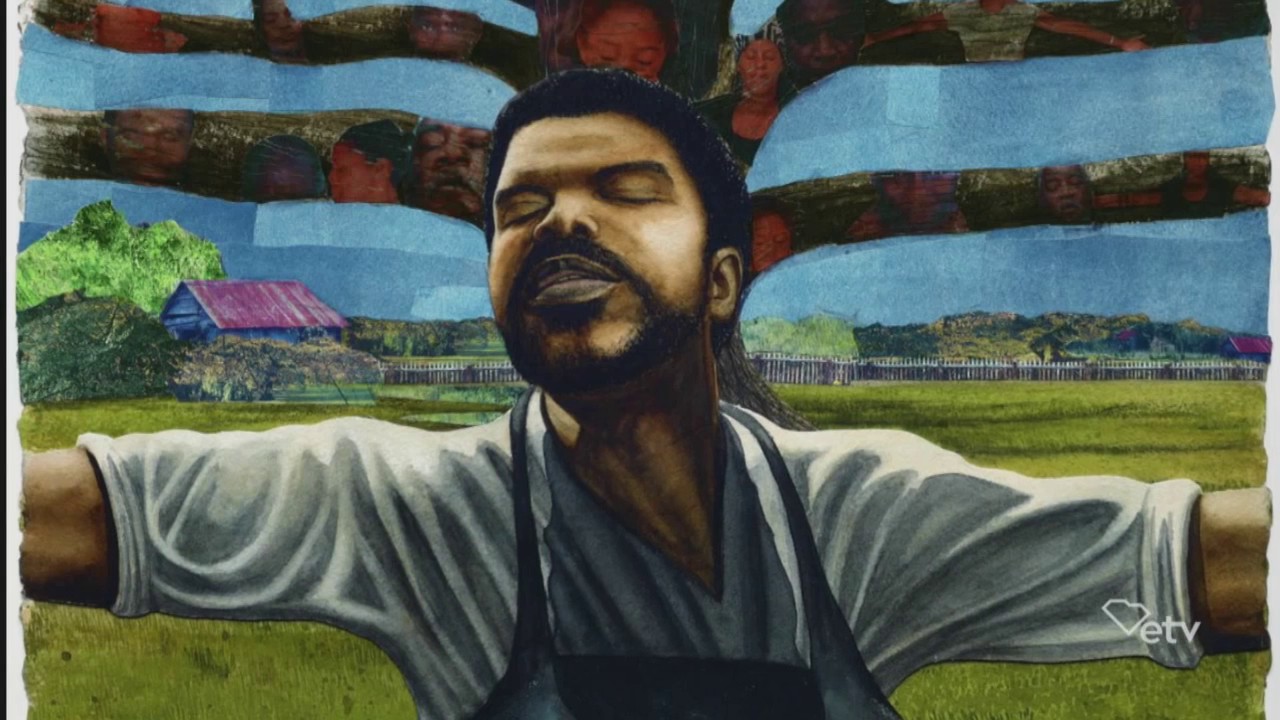
Dave the Potter
A picturebook poem describing the life of the slave potter Dave. Illustrated by Bryan Collier.
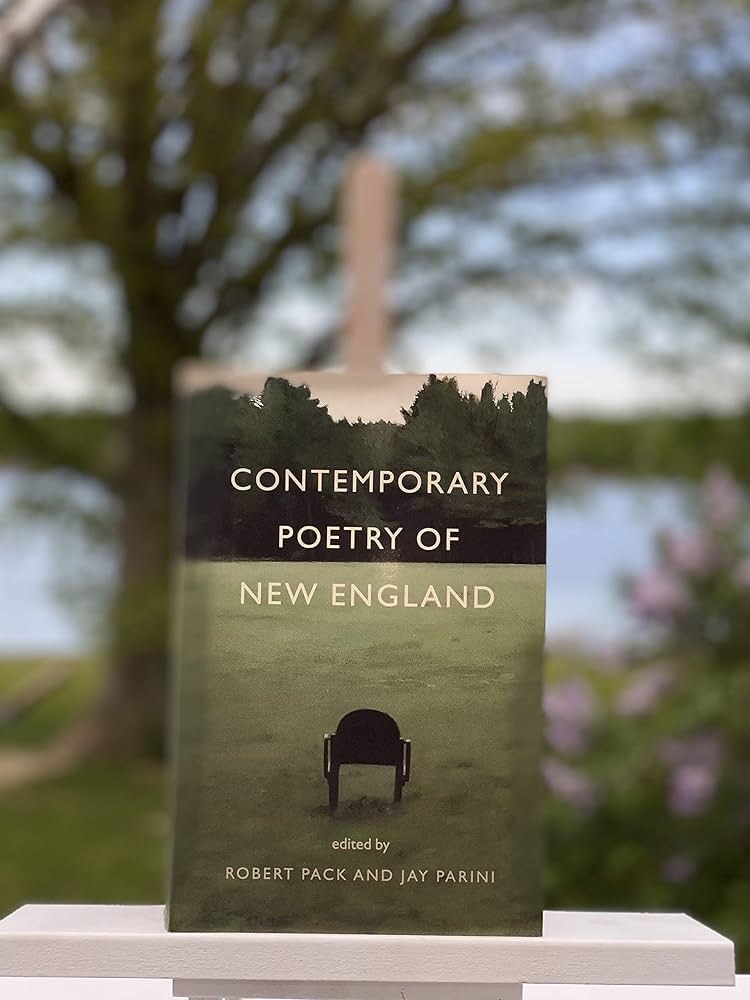
Contemporary Poetry of New England
“Contemporary Poetry of New England offers a vivid portrait of a region, its colors and smells, its physical and emotional textures, and the people…. It presents a range of poets, few of whom would call themselves a “region poet,” although each has taken to heart in a private way Frost’s haunting dictum: ‘Locality gives art.’”
--from the Introduction
1. Nonfiction
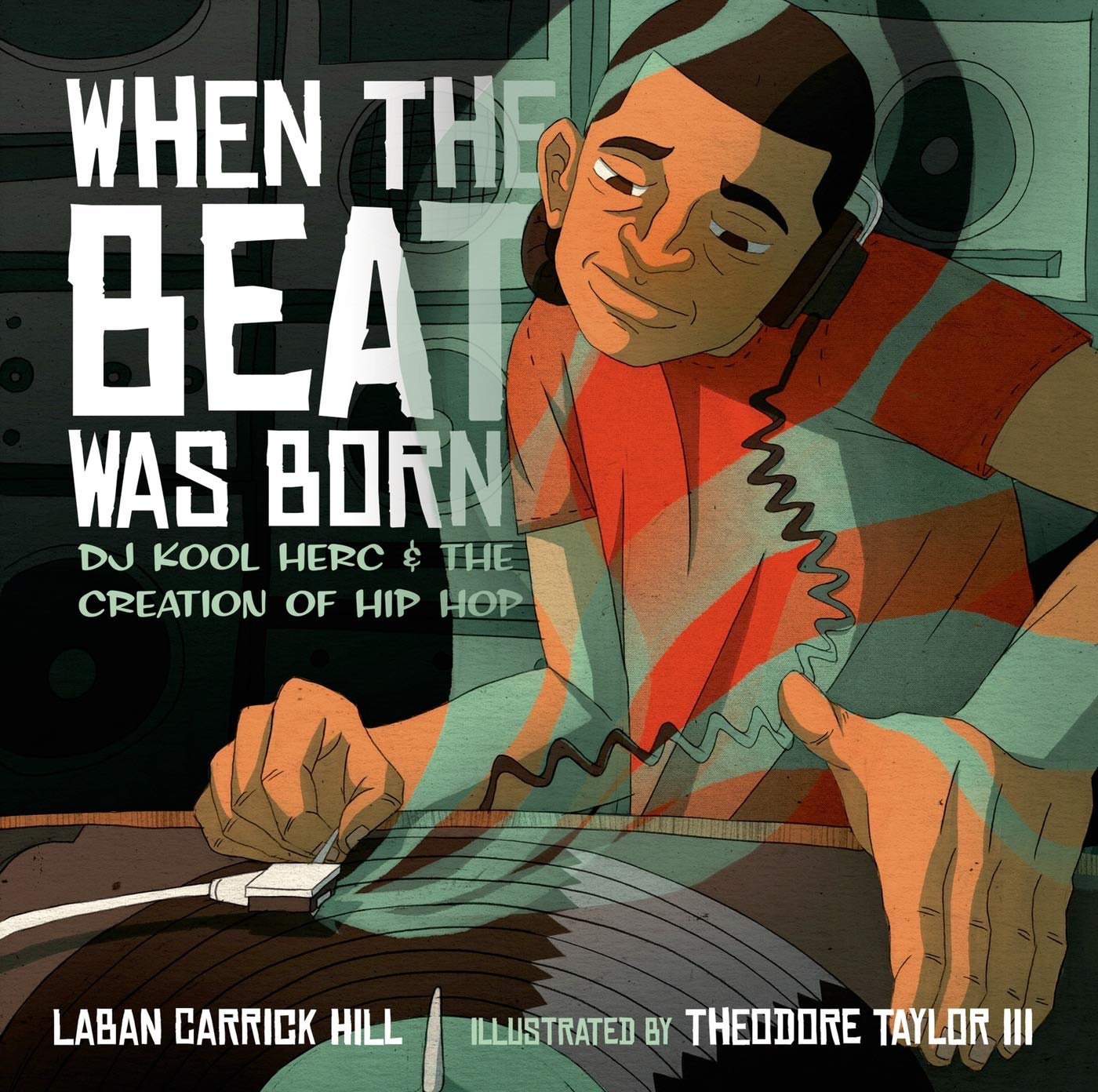
DJ Kool Herc
The first picturebook biography of the founder of rap and hip hop, DJ Kool Herc!
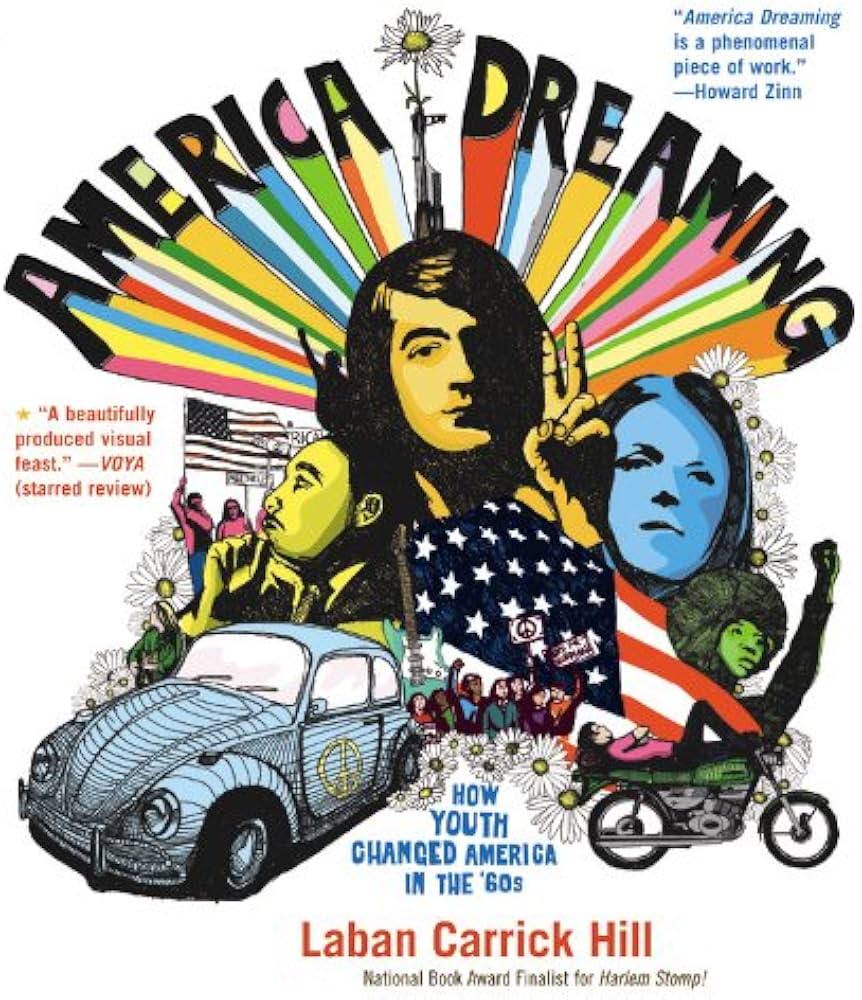
America Dreaming: How Youth Changed America in the 60s
"Phenomenal."–Howard Zinn "Excellent."–New York Times Book Review
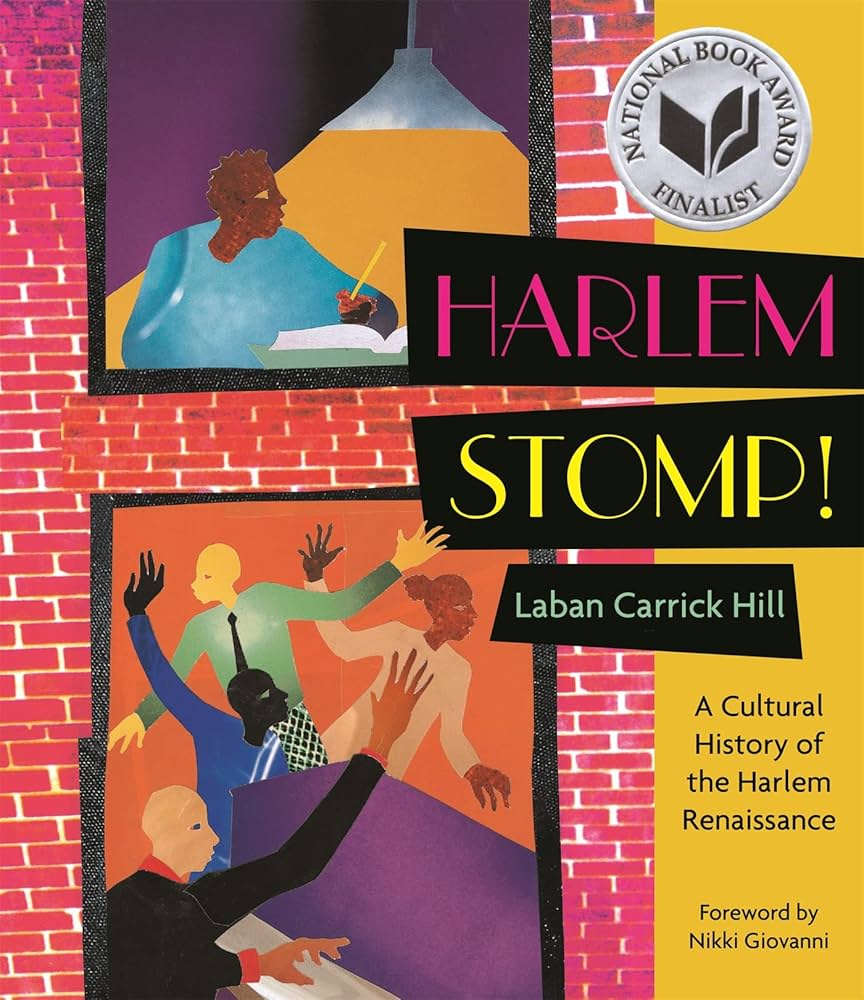
Harlem Stomp! A Cultural History of the Harlem Renaissance
Harlem Stomp! is a wonderous new book: it celebrates a time, a place, an energy, and a people who refused to be held back and so they created a culture the entire world is still reeling from.”
--George C. Wolfe, writer, director, and producer of the Public Theater, NYC
2. Fiction
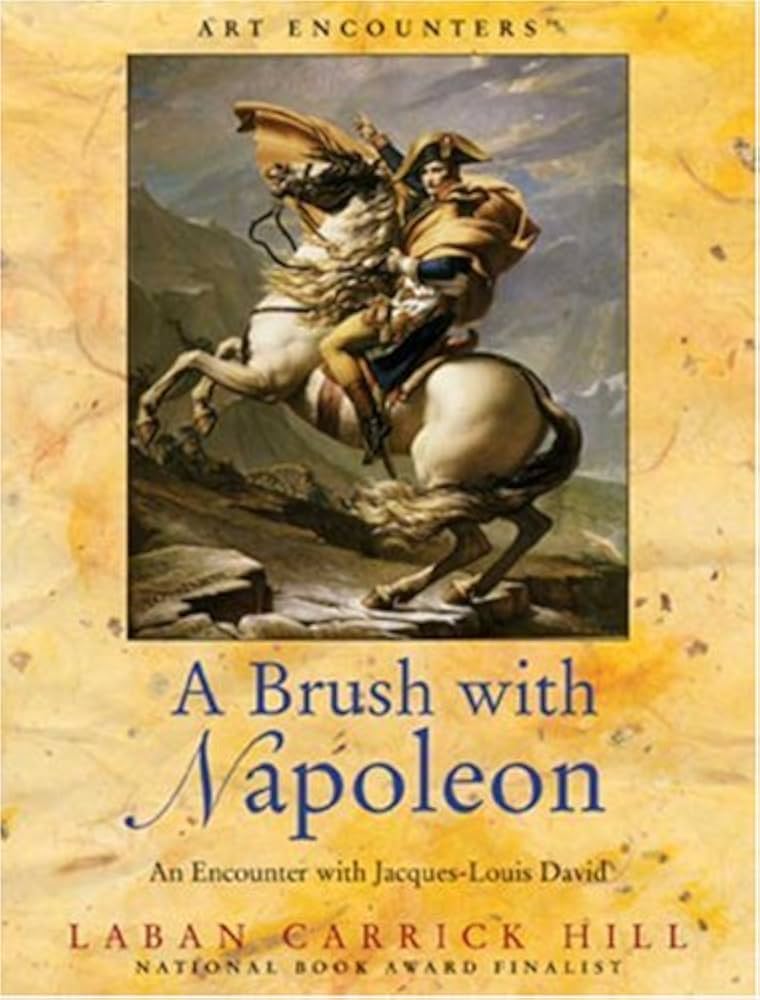
A Brush with Napoleon
A seventeen-year-old is plucked out of the Grande Armee to sit in place of Napoleon for a portrait of the Emperor by the artist David.
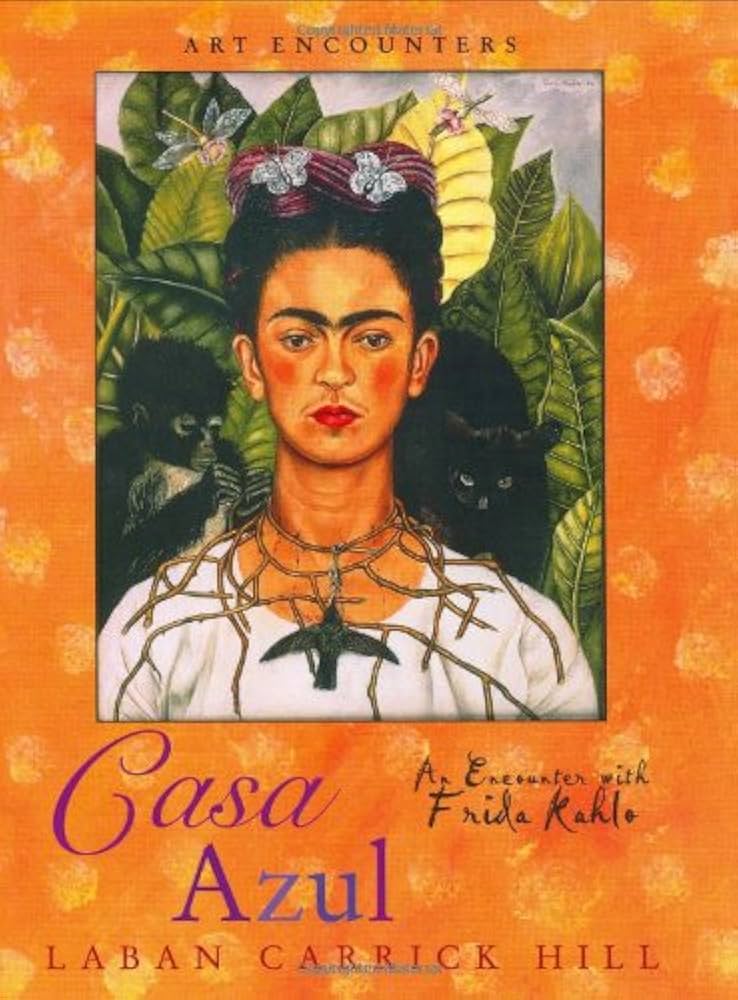
Casa Azul
"I felt like a kid reading every word on the page! I liked the strains of "magic realism" coming through in Frida's house! Children will relate to this very much! The story is charming and reads like a thriller." –Margarita Aguilar, Assisant Curator, El Museo del Barrio
4. Middle Grade Series
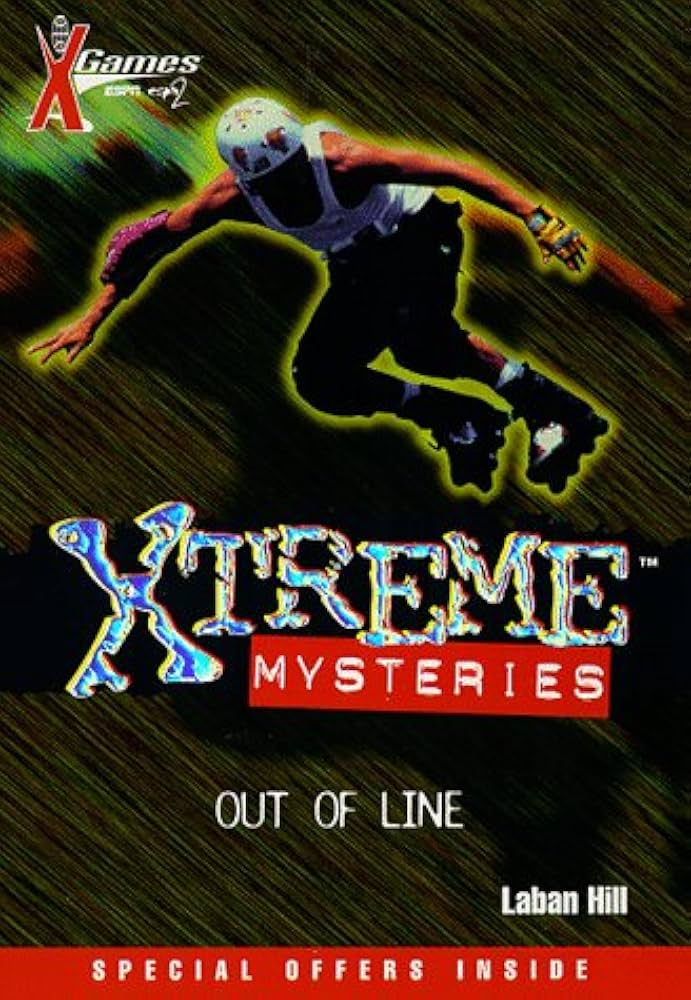
Xtreme Mysteries
These kids love extreme sports--snowboarding, skateboarding, rock climbing, wake boarding--and are ready to fight when the right to do their sport is threatened.