



Enter your e-mail address below to subscribe or unsubscribe from the mailing list.

subscribe
unsubscribe

(view privacy policy)

Read Past Newsletters

Groundnut Soup

Groundnut Soup: Selwood

01/28/2010

Groundnut Soup
January 28, 2010

Selwood and Re-Visioning Colonialism and Post-Colonialism

Well, the election violence turned out to be more myth than truth. It turns out that General Fonseca lost by a wide margin in this weeks Sri Lankan presidential election. Fonseca had been promising to imprison the president’s cabinet for corruption the day after the election if he won. People feared that if Fonseca won his actions would cause violence in the streets. For better or worse, depending on who you supported, he lost by thirty percentage points, and the only thing close to violence was the setting off of random fireworks around Colombo.

I spent from Monday through Thursday at Dr. Ranjan Hettiarachchi’s home with his wife, two daughters and infant son. We spent Tuesday and Wednesday holed up on the second floor of his magnificent home watching the election results. The only violence we experienced was the house being struck by lightening around 6pm on Wednesday evening, leaving us in darkness for the night. An electrician arrived this morning to replace the circuit breakers.

Since I don’t speak or understand Sinhala, I spent most of the day reading student papers, watching the monkeys just outside the balcony break coconuts, and reading a marvelous little volume by Sinharaja Tammita-Delgoda called Selwood: Nuwara Eliya and the story of an English cottage.

Temperamentally, I have to admit that reading about the colonial era of Sri Lanka was something that I was hoping to overlook. Despite a colonial history of more than 500 years, somehow I thought that true Sri Lankan culture only existed before colonialism and after independence. Tammita-Delgoda’s elegant essay in this small book of photographs narrates the inhabiting of the high mountain valley of Nuwara Eliya in the late 18th century and traces the history of the Selwood Cottage from the early 20th century to the present. His window into English colonialism through the world of Selwood exposed an intimacy of family life and a strange hybrid landscape that seems both Sri Lankan and English at once. In a way this portrait of a place perhaps reveals how a place can represent in one sense a particular, individual identity and a more global world view. As I travel through Sri Lanka, I can see this in evidence everywhere, from the bilingual Sinhala-English culture to the Western clothing factories that crowd Colombo. For better or worse, this is the way it is now. What Sinharaja Tammita-Delgoda does is reveal the beauty that can come from such a collaboration, rather than a colonialism or a usurption of one culture over another.

***

Riding down the hill from the Sri Palee campus of the U of Colombo, I spotted a crocodile monitor at least four feet long. It is the longest lizard in the world. As it swayed back and forth across the road in front of us, the van slowed and I said a prayer for its survival. Monitors eat snakes, and poisonous snakes are common on the road down from the campus. At night, it is recommended that you walk in the middle of the road because snakes “lurk” in the shadows of the brush.

***

On the road into Colombo this morning, I spotted the Murray Hindu Cultural Center. I wondered if it was a spinoff of the Murray Dance Studios of my childhood.

***

In the Majestic City Mall today, I spied five Buddhist monks dressed in orange robes lined up in the Western Union Money Transfer Office. I always through monks took a vow not only of celibacy, but also poverty. Perhaps they were sending their extra cash home to support their parents.

Earlier, I came across a Buddhist monk store. It reminded me of the Chief store I found in Cape Coast Ghana where you could buy gold crowns and all kinds of chief paraphernalia. This store sold primarily orange and red robes since Buddhist monks didn’t dress up much. The store did have several sizes of plastic Buddha’s that lit up from the inside like the Christmas Santas and Snowmen that people place in their yards in America. The Buddhist store was located next to the banana store where you could buy at least six different kinds of bananas, ranging in size from a couple of inches to two feet or more.


Selected Works

1. Nonfiction
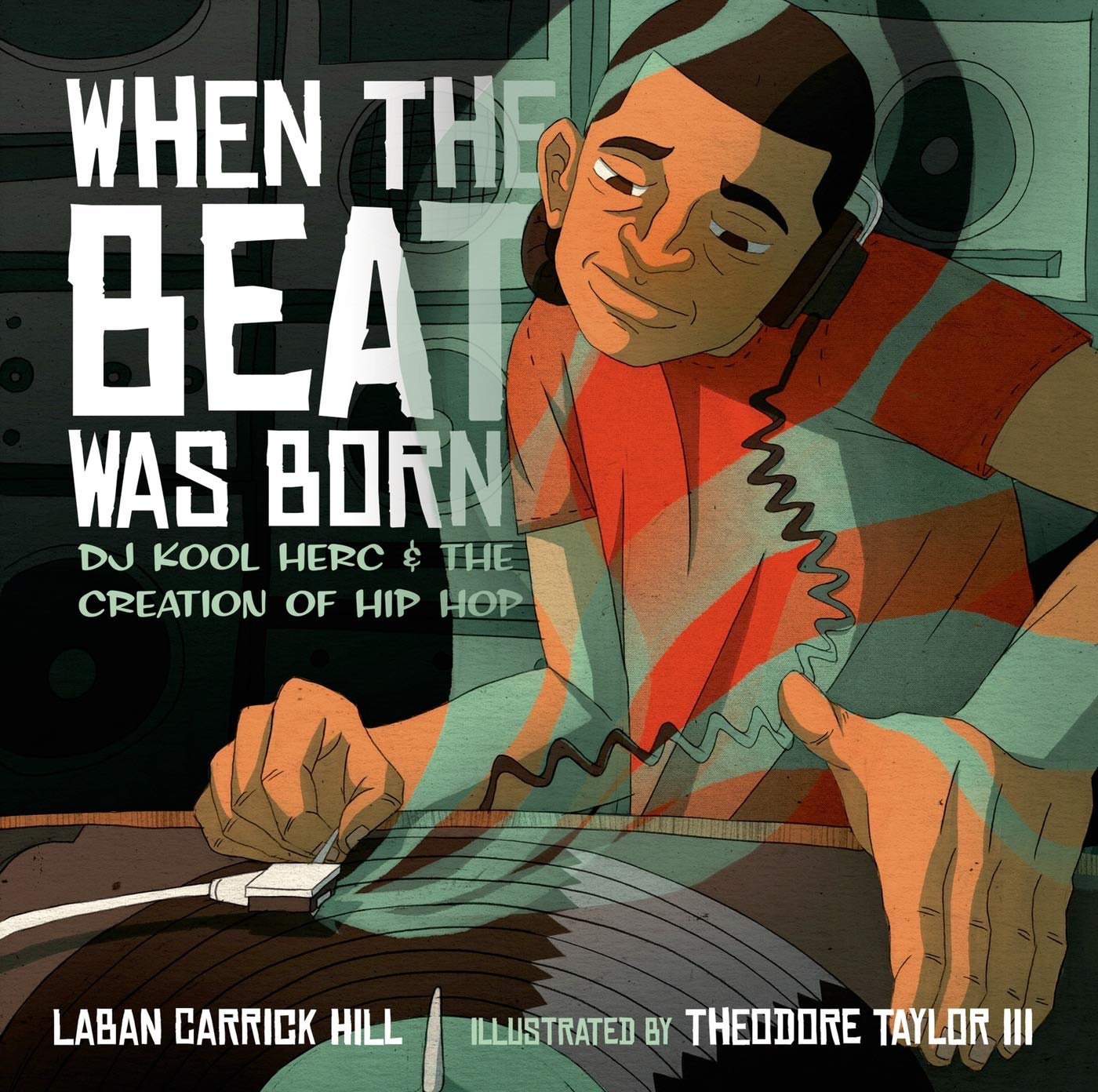
DJ Kool Herc
The first picturebook biography of the founder of rap and hip hop, DJ Kool Herc!
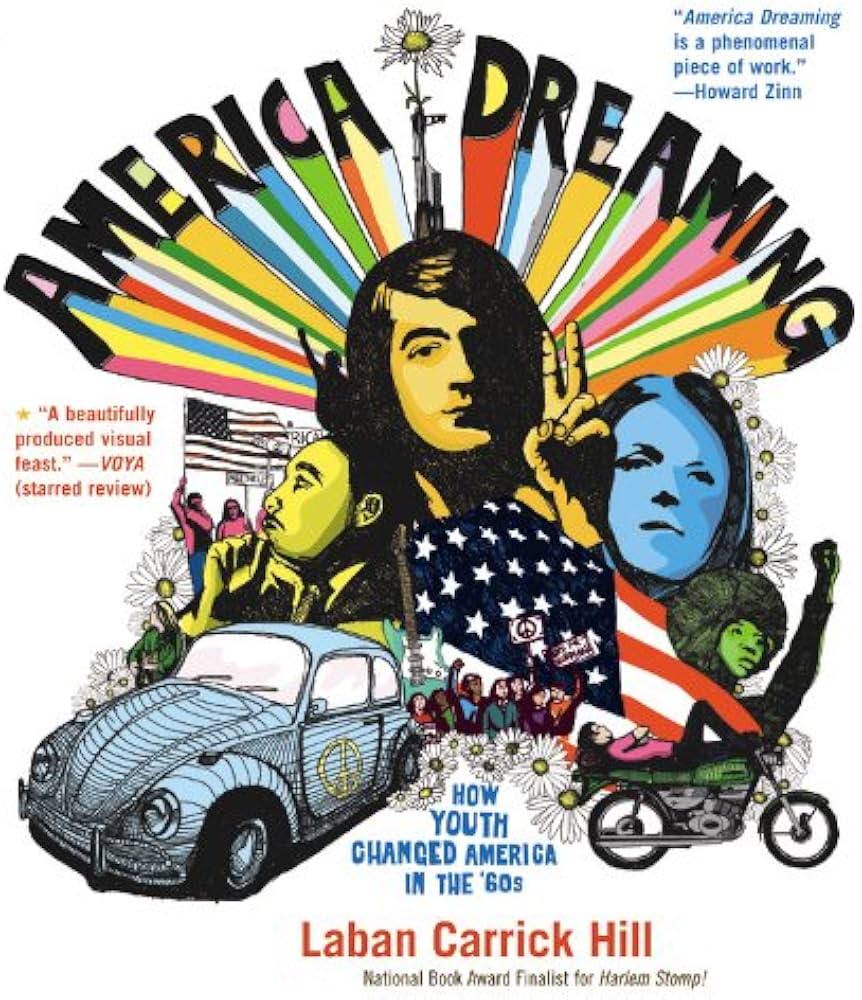
America Dreaming: How Youth Changed America in the 60s
"Phenomenal."–Howard Zinn "Excellent."–New York Times Book Review
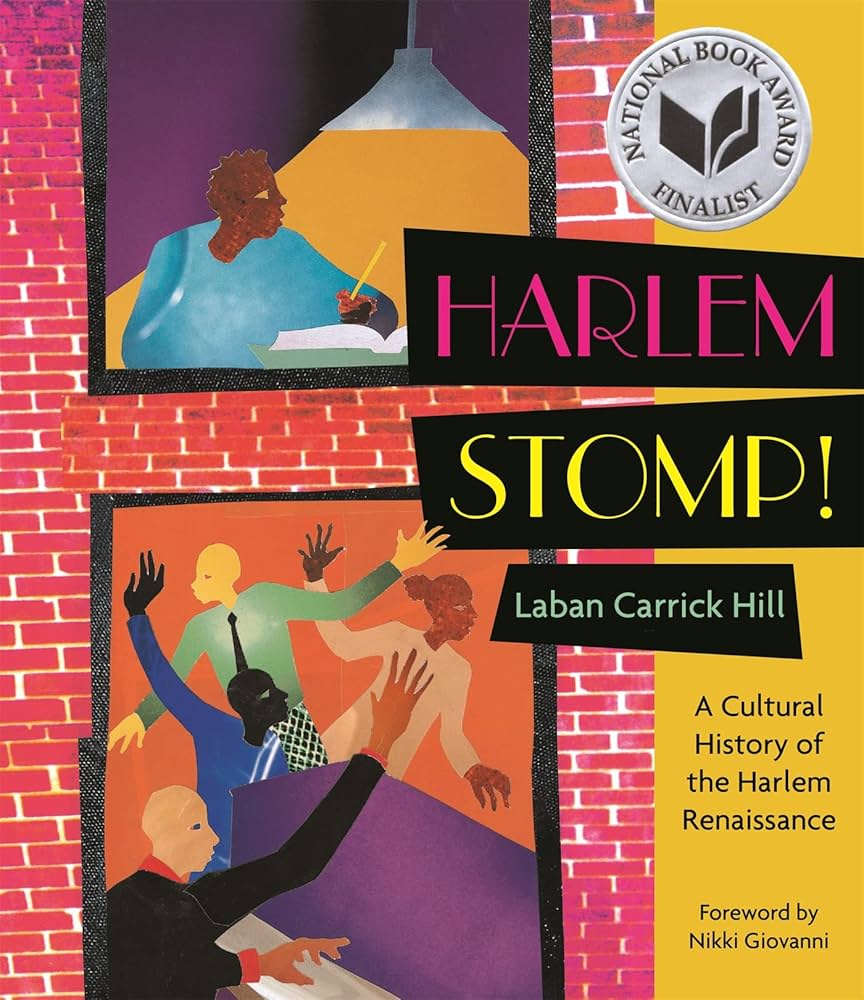
Harlem Stomp! A Cultural History of the Harlem Renaissance
Harlem Stomp! is a wonderous new book: it celebrates a time, a place, an energy, and a people who refused to be held back and so they created a culture the entire world is still reeling from.”
--George C. Wolfe, writer, director, and producer of the Public Theater, NYC
3. Poetry
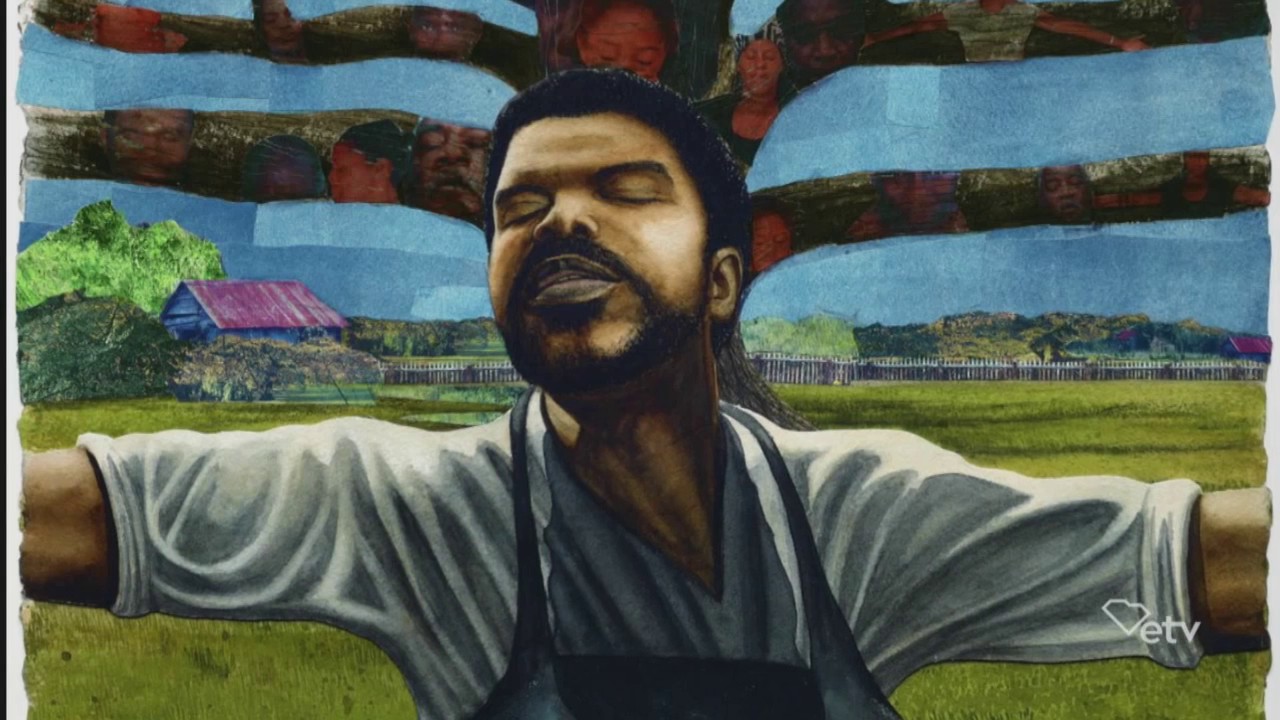
Dave the Potter
A picturebook poem describing the life of the slave potter Dave. Illustrated by Bryan Collier.
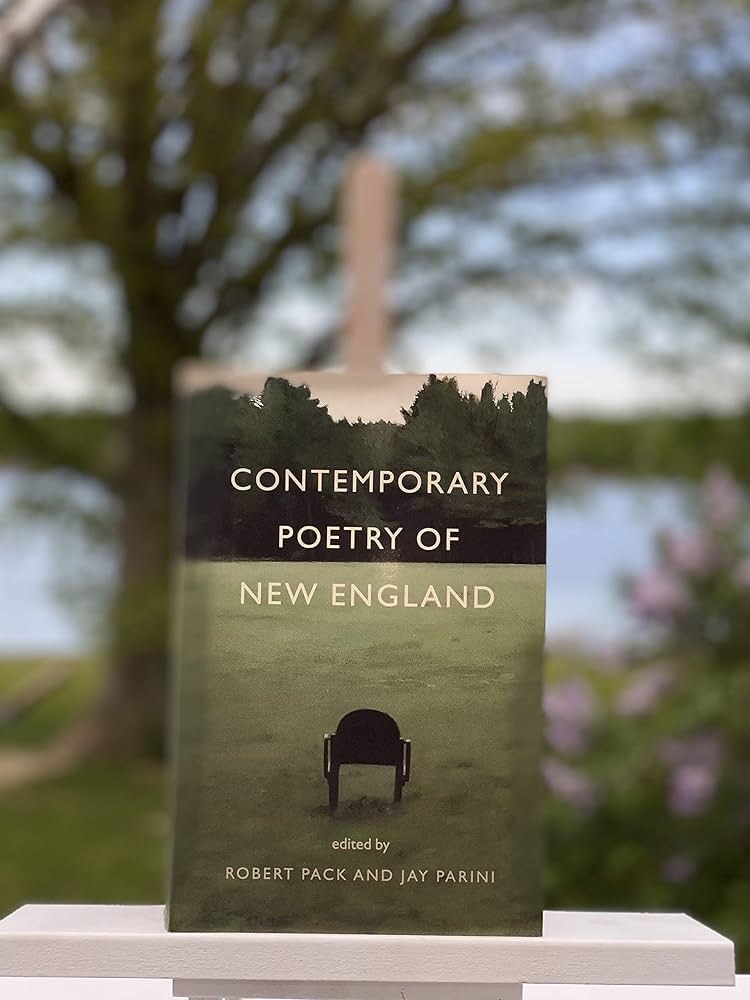
Contemporary Poetry of New England
“Contemporary Poetry of New England offers a vivid portrait of a region, its colors and smells, its physical and emotional textures, and the people…. It presents a range of poets, few of whom would call themselves a “region poet,” although each has taken to heart in a private way Frost’s haunting dictum: ‘Locality gives art.’”
--from the Introduction
2. Fiction
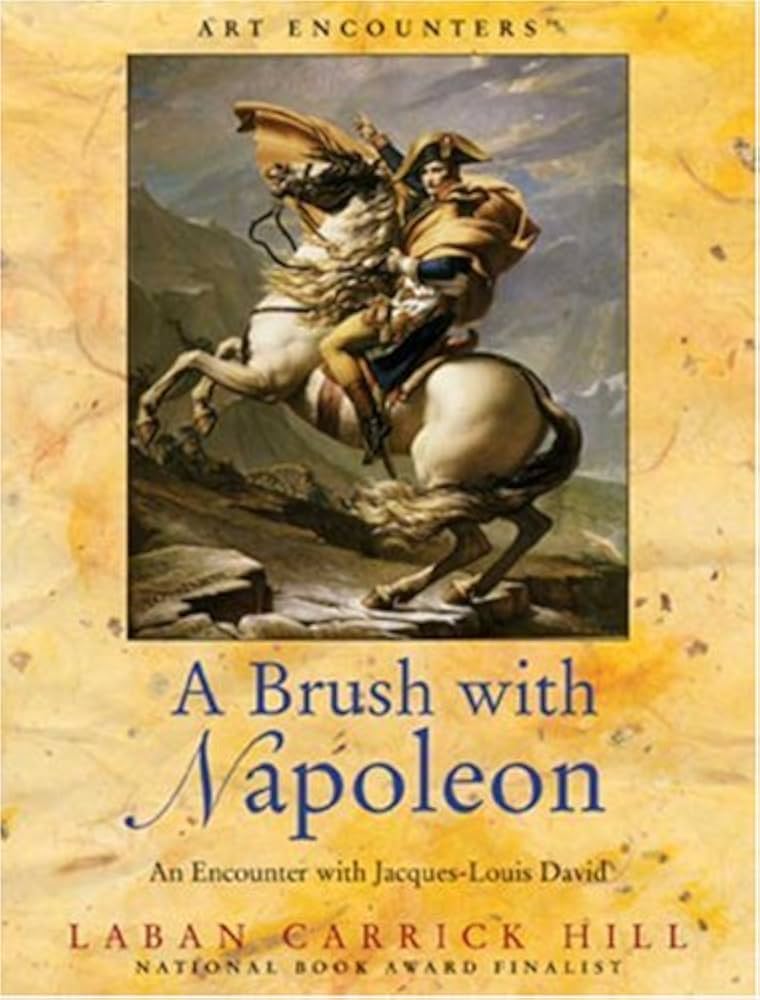
A Brush with Napoleon
A seventeen-year-old is plucked out of the Grande Armee to sit in place of Napoleon for a portrait of the Emperor by the artist David.
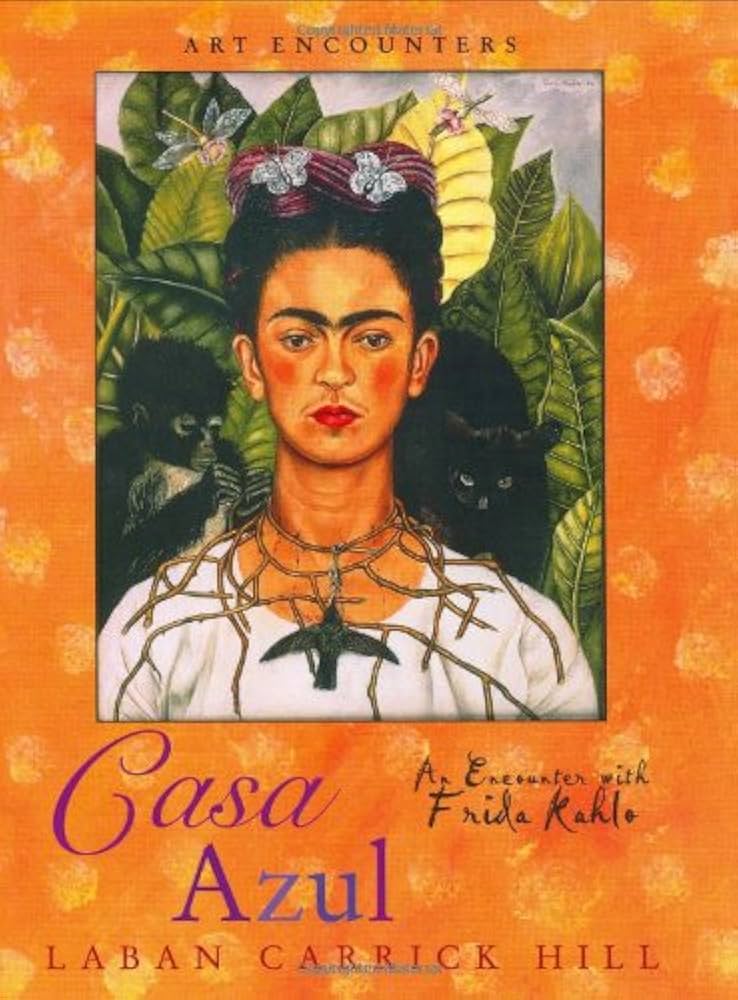
Casa Azul
"I felt like a kid reading every word on the page! I liked the strains of "magic realism" coming through in Frida's house! Children will relate to this very much! The story is charming and reads like a thriller." –Margarita Aguilar, Assisant Curator, El Museo del Barrio
4. Middle Grade Series
Xtreme Mysteries
These kids love extreme sports--snowboarding, skateboarding, rock climbing, wake boarding--and are ready to fight when the right to do their sport is threatened.