
Enter your e-mail address below to subscribe or unsubscribe from the mailing list.

subscribe
unsubscribe

(view privacy policy)

Read Past Newsletters

Groundnut Soup

Ghana Journal: Election

05-Dec-2008

December 5, 2008

Ghana Journal: Ghana Elections

The other day I was walking to the share taxi station next to the science buildings at the University of Cape Coast where I saw two groups of twenty or so young men shouting at each other. One group waved signs supporting the National Democratic Congress and their candidate John Atta-Mills ; the other wore New Patriot Party t-shirts and shouted their support for presidential candidate Nana Addo Dankwa Akufo-Addo. As each group yelled and pointed across what seemed like an invisible line, a group of four police officers wielding three-foot-long truncheons hurried between the young men and separated them before the shouting escalated to blows. Since watching this incident, I have been asking people if they think there will be violence during the election. So far only one person has been reported killed because of the election campaign. I mention this because of the recent election turmoil and rebel violence in Kenya, Zimbabwe, and the Congo in the past year where tens of thousands have been butchered. In comparison, one death seems almost not worth commenting on.

When I approach people about possible violence, the reactions have been rather surprising. On the whole when I ask educated Ghanaians, they all to a person expect violence at the polls. My friend and colleague at the University of Cape Coast Victor Yankah says, “When one of the groups doesn’t think the voting is going their way, they’ll try to shut down the polls and there will be violence.” The other night met some Westerners who have been in Ghana for many years at Mable’s Table in Elmina where the discussion turned to the election on Sunday December 8th. One companion, American ex-pat and sociologist, Nancy Lundgren has lived in Ghana for more than fifteen years. She is the Queen Mother of a small and very poor village north of Cape Coast. She has worked hard over the years to improve the conditions of her adopted community. In fact, she beamed when she told us the village will be getting electricity within the next two years. On the election, however, Nancy was not as optimistic. She believed there would be widespread violence. “Ghana is a very peaceful country. Violence, especially wide-scale violence, is very rare, but when it comes to elections, people just go crazy.”

Ironically, on the street I hear a very different response. In a taxi this morning in Accra, I asked the driver if he thought there would be problems with the election. “I hope not.” After a few moments of thought, he added with conviction, “No. There won’t be violence. People will control themselves.” At the Makola market, a woman selling smoked fish repeated with confidence that this election will not be like Kenya or Zimbabwe. “We’ve had democracy for sixteen years,” she added. “We don’t want to lose that.” I was startled by her candidness because Ghanaians as a whole would normally find it impolite to express anything negative to an Obruni, a white person. Over the past few days I have received similar responses in the market and on the street. I can only hope that these responses are genuine and that they won’t change in the heat of election day politicking.

Many of the young people who are voting for the first time in the presidential election are of the generation called Rawlings’ Children. During the mid-1980s Jerry John Rawlings presided over Ghana after a military coup in which he installed a nightly curfew. This curfew caused a significant rise in births around the country. The children of this baby boom have now come of age and are eligible to vote. It is this generation that will probably be the deciding factor in whether or not there is violence at the polls. This is the same group I watched nearly come to blows on the green in front of the science buildings at the University of Cape Coast last week. Despite the heated emotions I take it as a good sign that they did restrain themselves. A violence free election on December 7th would certainly be a testament to entrenchment of democracy in Ghana.

My wish would be that Rawlings Children and everyone else in Ghana remember those years of restrictions, economic turmoil and horrendous famine and go to the polls only with thoughts of a peaceful transition of power.

Selected Works

1. Nonfiction
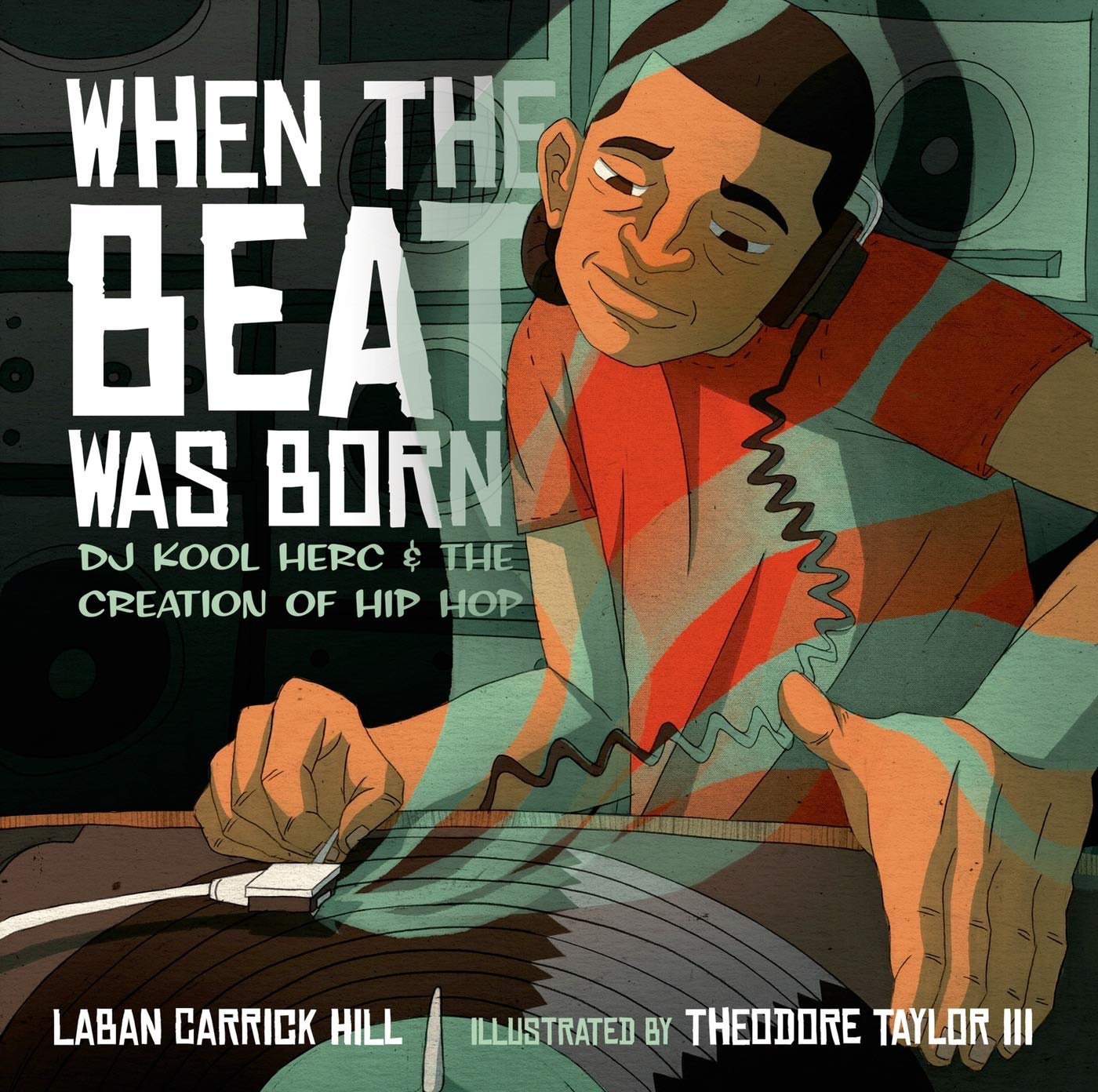
DJ Kool Herc
The first picturebook biography of the founder of rap and hip hop, DJ Kool Herc!
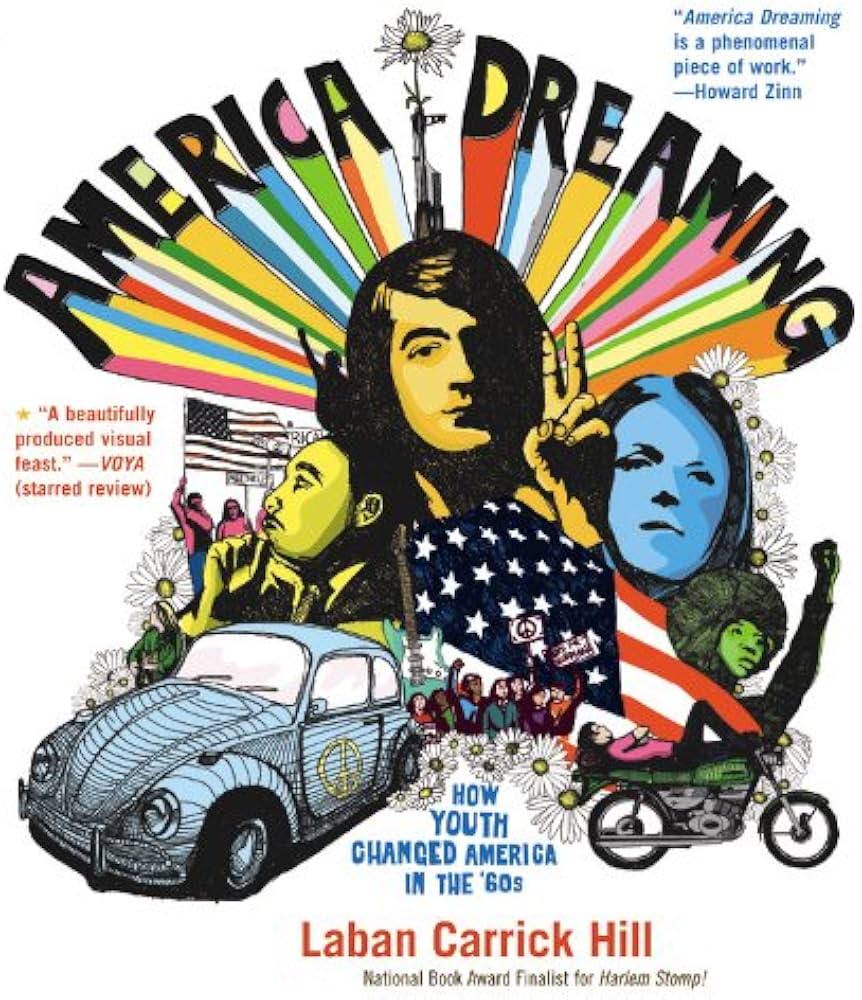
America Dreaming: How Youth Changed America in the 60s
"Phenomenal."–Howard Zinn "Excellent."–New York Times Book Review
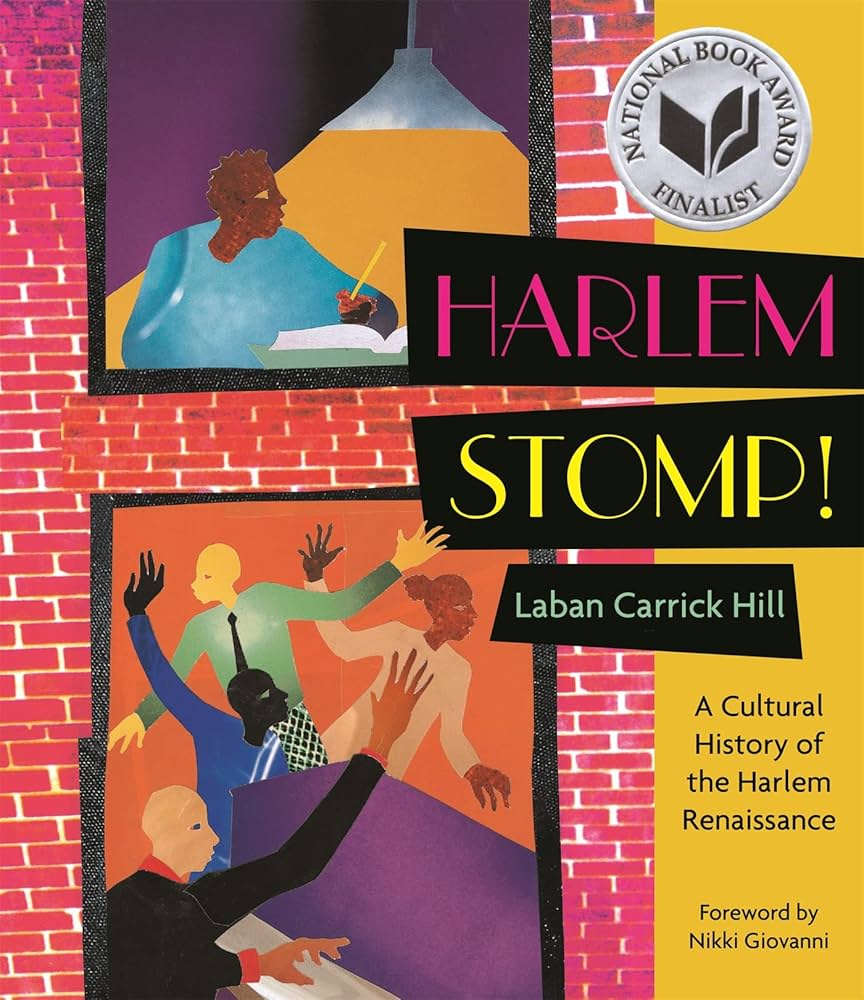
Harlem Stomp! A Cultural History of the Harlem Renaissance
Harlem Stomp! is a wonderous new book: it celebrates a time, a place, an energy, and a people who refused to be held back and so they created a culture the entire world is still reeling from.”
--George C. Wolfe, writer, director, and producer of the Public Theater, NYC
3. Poetry
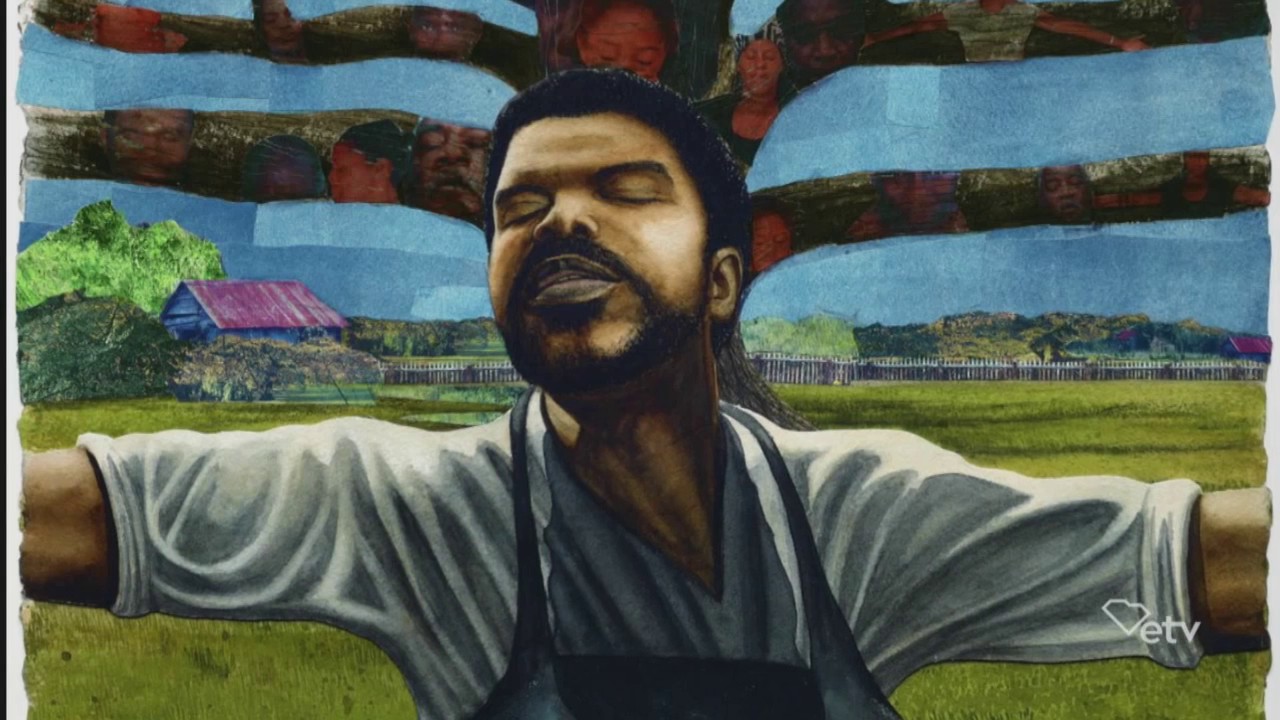
Dave the Potter
A picturebook poem describing the life of the slave potter Dave. Illustrated by Bryan Collier.
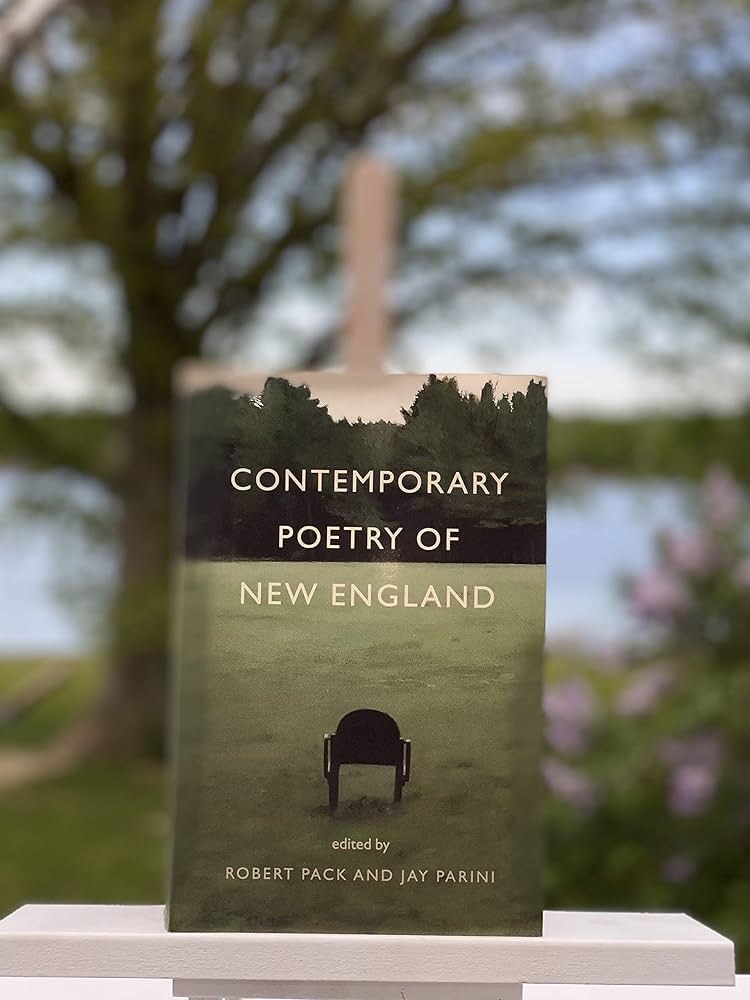
Contemporary Poetry of New England
“Contemporary Poetry of New England offers a vivid portrait of a region, its colors and smells, its physical and emotional textures, and the people…. It presents a range of poets, few of whom would call themselves a “region poet,” although each has taken to heart in a private way Frost’s haunting dictum: ‘Locality gives art.’”
--from the Introduction
2. Fiction
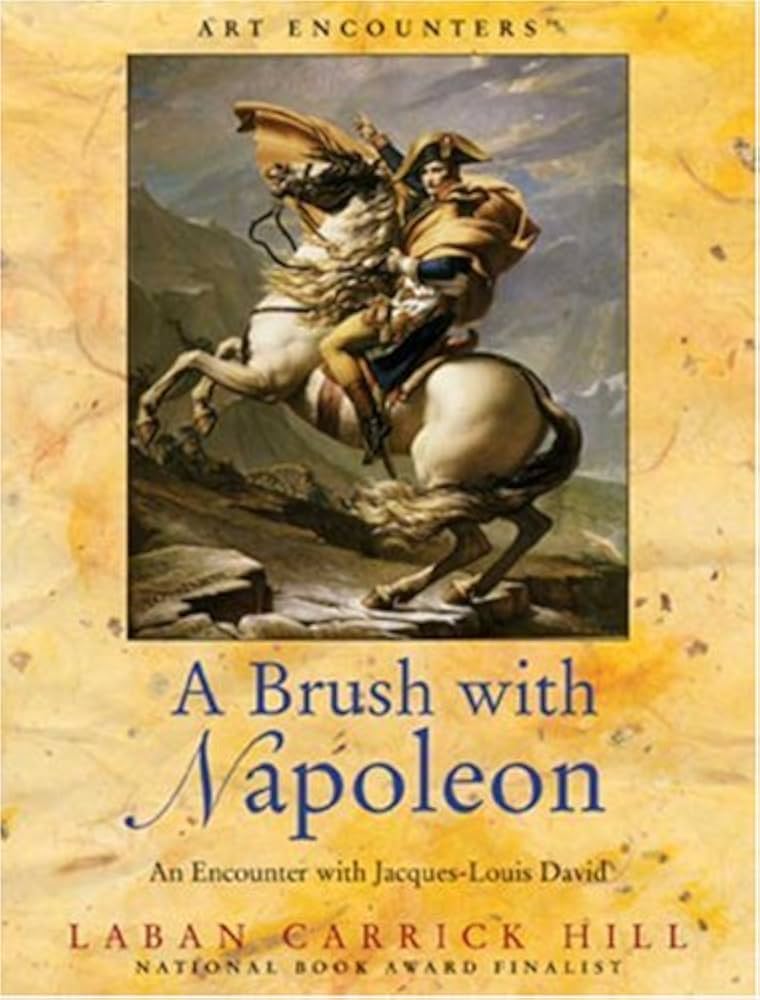
A Brush with Napoleon
A seventeen-year-old is plucked out of the Grande Armee to sit in place of Napoleon for a portrait of the Emperor by the artist David.
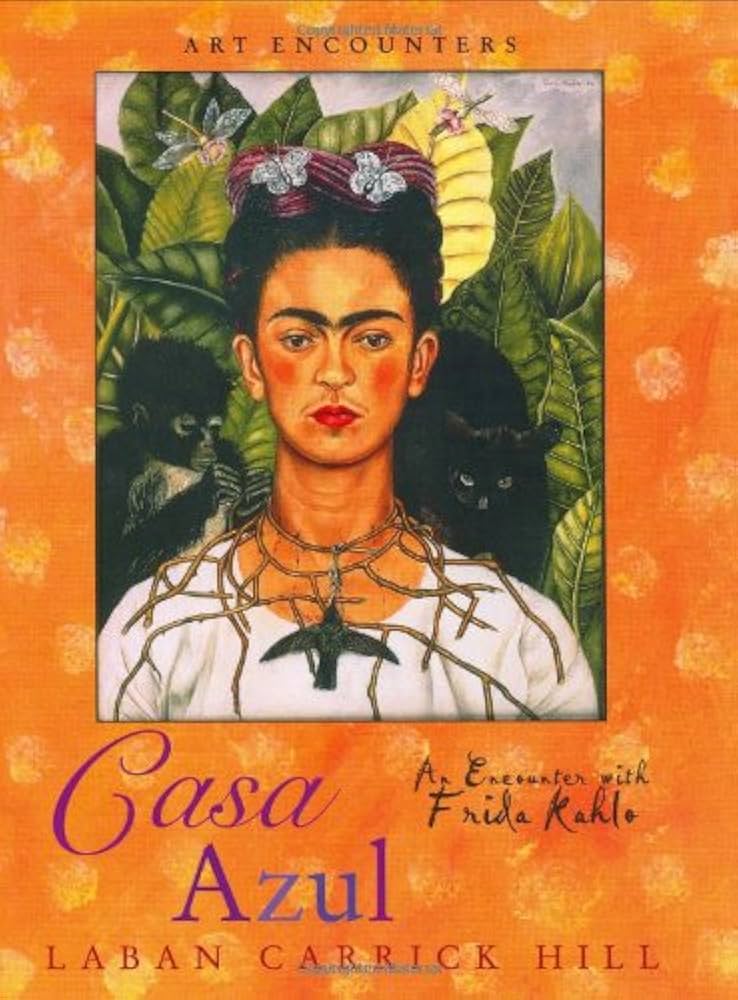
Casa Azul
"I felt like a kid reading every word on the page! I liked the strains of "magic realism" coming through in Frida's house! Children will relate to this very much! The story is charming and reads like a thriller." –Margarita Aguilar, Assisant Curator, El Museo del Barrio
4. Middle Grade Series
Xtreme Mysteries
These kids love extreme sports--snowboarding, skateboarding, rock climbing, wake boarding--and are ready to fight when the right to do their sport is threatened.