







Laban Carrick Hill

Enter your e-mail address below to subscribe or unsubscribe from the mailing list.

subscribe
unsubscribe

(view privacy policy)

Read Past Newsletters

Groundnut Soup

Ghana Journal: Kakum Rainforest

November 12, 2008

Ghana Journal: Authentic Kakum

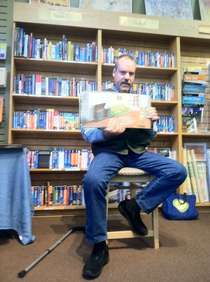
A couple of weeks ago, a British aid worker (his name is Nigel, of course!) on vacation in Ghana from Ethiopia offered to take my picture on the rope bridge over the rainforest canopy of the Kakum Forest Reserve. The offer gave me pause because I don’t think I have taken a picture of myself in the nine weeks I’ve been in Ghana. My gaze has not been self-reflective at all. Perhaps I’ve been trained too well as a parent to direct my gaze outward or perhaps it is just the nature of a writer to look out at the world (that’s certainly a fallacy since great writing always has an element of the interior intersecting with the external). So I’ve posted a picture of myself standing on a platform above the rainforest to verify that I am indeed in Ghana and not writing a fantasy blog from a closet in my house in Burlington, VT or an undisclosed bunker.

As I expand on this theme of authenticity, I have to admit that I have been reluctant to visit Kakum because so many people have told me that it is a certified tourist attraction. Kakum is the only rainforest canopy walk in Africa. It was created with the help of USAID in 1995 and moves hundreds, if not thousands, visitors through his 350m rope walkway, sixty meters above the forest floor, through the most spectacular views one could ever see. In some ways the entire experience is a bit like one of the most popular rides at Disney World. The problem is the discrepancy between the noisy crowds and the pristine forest. Everyone who visits hopes to see monkeys and other creatures, but any self-respecting forest creature knows to stay as far away from this area as possible. As a result, most of the visitors seem disappointed by the extraordinary flora without the fauna. Here are some photos from the experience: http://picasaweb.google.com/labanhill/KakumCanopyWalk#.

Which brings me to the question that I think is at the core of all eco-tourism: what is truly authentic? As we all know, just our presence changes the environment so that there is no true authenticity when it comes to eco-tourism. Instead, it is about the degrees of construction. Here at the Kakum canopy walk, what is authentic is the plant life. The walkways snakes through stunningly beautiful plantlife and offers vistas that until now where only available to birds and monkeys. That this huge forest even exists in an area that has been predominantly clear cut is marvelous. That the villages that surround this preserve have stopped chopping down the forest and killing the game when they live in such abject poverty and desolation has to be one of the seven wonders of the world. As an outsider, however, we eco-tourists come, I mean “trek,” with a knapsack full of expectations that have been cultivated on a diet of childhood Sunday evening’s spent in front of episodes of Wild Kingdom and present day fare such as Survivor. We want to experience these marvels as closely and tightly as a camera lens can zoom.

So a week later as I headed off to another part of the Kakum forest, I tried to define for myself what parameters of authenticity was I going to emphasize and what absences of authenticity I would ignore. On my hour and a half taxi ride along an unimproved track with eight people crammed in a vehicle the size of a Ford Festiva, I had plenty of time to contemplate this issue as well as to avoid the rather ample right breast of the large woman with whom I was sharing the front passenger seat. The driver started the taxi with a screw driver, and he drove at a speed of about 5 mph because the road was so bad. The taxi stalled out about a half dozen times along the way. I arrived in the tiny village of Masomagor exhausted in the middle of the day. Masomagor is completely off the in a remote section of the central region. There was no electricity or cell phone coverage.The village was essentially the same as it has been for hundreds of years with people living in mud huts and living their lives in much the way that they always have. The silence was stunning in comparison to most of Ghana where music blares and horns honk continuously. The taxi makes the trip to this village twice a day so if you miss it, you do not come or go. The village used to have a tro-tro (minivan) that came, but it broke down a month ago and no one has the funds to repair it. I spent most of the afternoon sitting around waiting for another group that was supposed to arrive, but never showed up. I ate fufu and okra stew. Then I watched the Kukyekukeyku Bamboo Orchestra perform three traditional dances and then a new dance created to teach villagers not to cut down the forest. I took a tour of the palm nut oil press as well. Then the Ghana National Forest Tree Guide Mr. Dadara took me into the rainforest at 4pm. We had to hustle so that we made it to the tree platform before it was too dark. The forest becomes pitch black by 5pm because the canopy is so dense. Mr. Dadara carried a rifle and flashlight. He told me that the baby elephants are attracted to the light in the dark so we had to hurry. Otherwise we might get trampled. We made the two hour hike in the forest in record time. What that time was I don’t know because I didn’t have a watch. It was dark when we began climbing the rickety aluminum latter 20 meters to the platform, but we didn’t run into any elephants. Then, we settled into our sleeping bags and listened to the screaming monkeys, insects and birds as well as the crash of animals through the forest in the night. I don’t know if I slept or not, but I was awake as the dawn light trickled through the dense canopy.

We spent about three hours the next morning hiking about to the Muslim village of Sedu Krom, which was settled by the Sedu family at the turn of the 20th century. It is so remote that a single track path leads to and from it. One cannot drive to this village. In the forest, we travelled through a large cocoa plantation and then across the border of the Kakum forest and into a dense track that was once the slave trail from Kumasi to Cape Coast. This trail is a deeply worn ravine that has been trampled down by four hundred years of foot traffic. Now the path is covered in vines. Then we stepped off this onto an elephant highway that the elephants use to move through the forest. At one point I heard a crash and saw the back end of the forest elephant disappear. He was much too quick to photograph. I did manage to capture a pile of his dung and his footprints however. Then Mr. Dadara pointed out a Baku tree which is the second oldest tree in West Africa. It is about 300 years old. The fruit from this tree was scattered all along the forest floor. These large mango-like fruit are a favorite of the elephants. The seeds from the fruit won’t germinate unless they pass through an elephant’s intestine. Then I learned about the Kyinkyin tree whose bark was used for clothing. Villagers would skin the bark off the tree in one entire piece. Then they would cut the piece according to a person’s size and beat the bark until it was as soft as fabric. They would wash and dry it several times so that the bark was so pliable it could be used for almost anything. I discovered the medicinal properties of all kinds of plants.

By noon, we made our way back to Mr. Dadara’s home where he showed me the personal email address of the U. S. Ambassador to Ghana who he met several years ago. In his home was also a large poster documenting the Fall of Saddam, from President George Bush’s announcement of the invasion of Iraq to the hunt, discovery, trial, execution and burial of Saddam Hussein. I’ve posted a photo of this poster along with other images from Masomagor, Sedu Krom, the forest and the bamboo orchestra.

I plan to return to Masomagor to trek further into the forest and perhaps get a better glimpse of an elephant. Then, maybe I will have experienced the “true” authenticity of the bush. Here are the photos from Masomagor and Kakum rainforest: http://picasaweb.google.com/labanhill/Masomagor#.

Here are a couple of video clips of Kukyekukeyku Bamboo Orchestra: http://www.youtube.com/watch?v=AxMl3T3Azh4.

Selected Works

3. Poetry
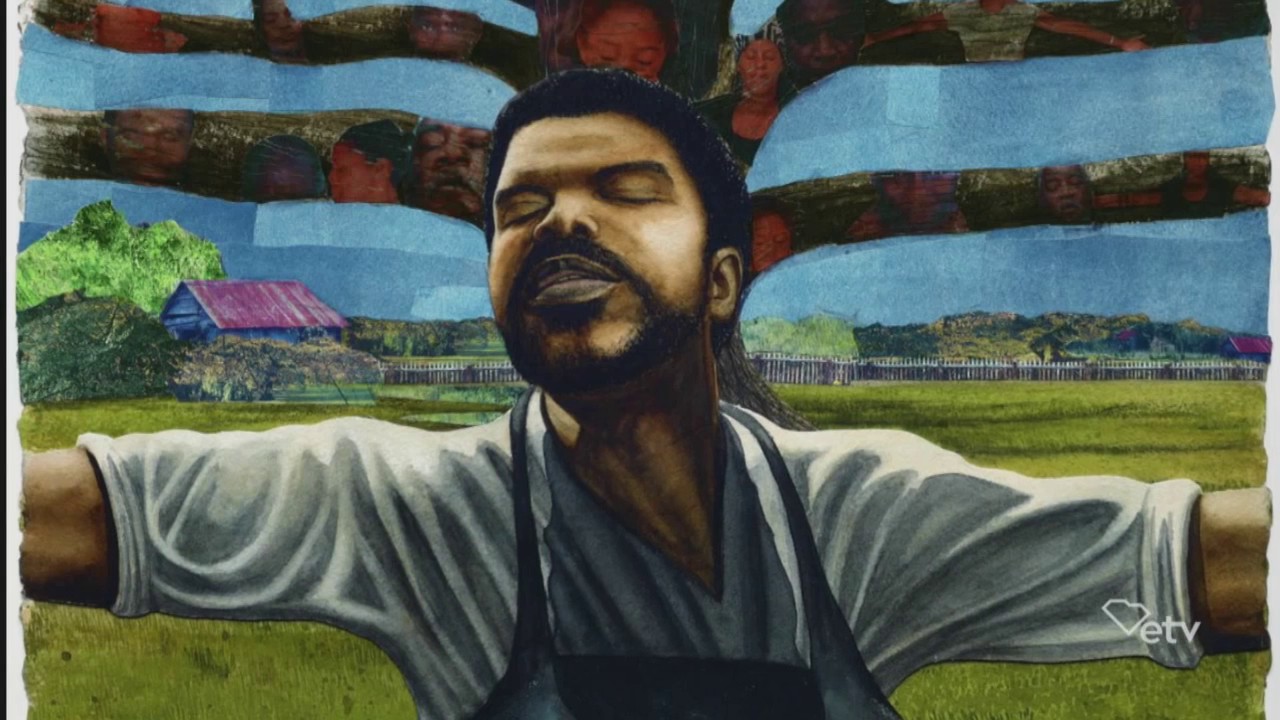
Dave the Potter
A picturebook poem describing the life of the slave potter Dave. Illustrated by Bryan Collier.
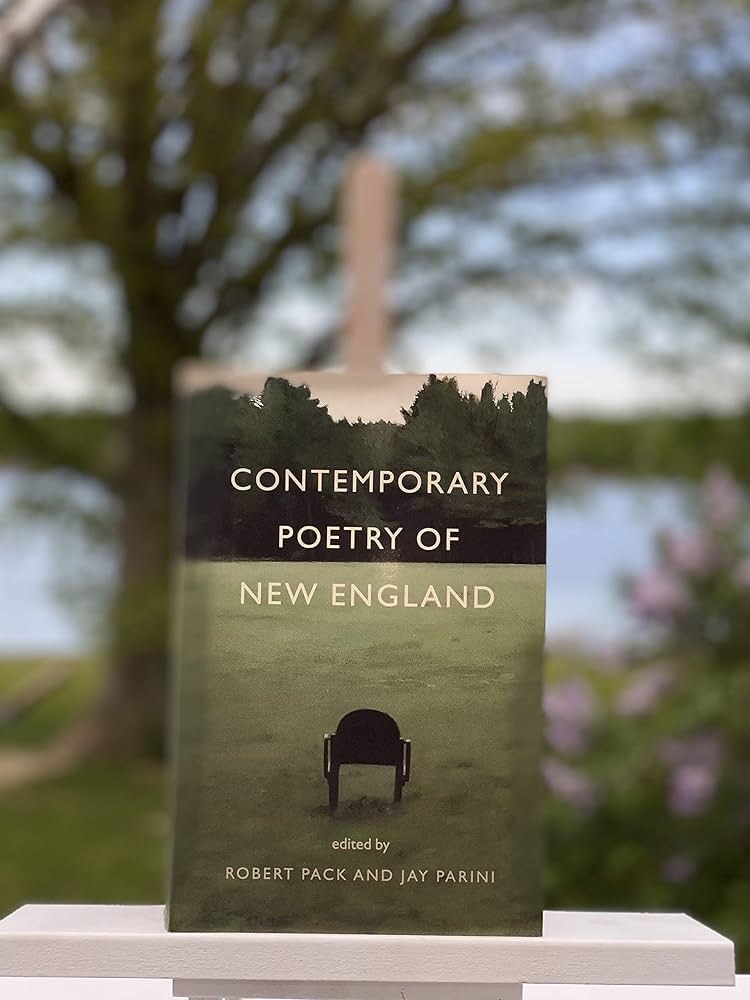
Contemporary Poetry of New England
“Contemporary Poetry of New England offers a vivid portrait of a region, its colors and smells, its physical and emotional textures, and the people…. It presents a range of poets, few of whom would call themselves a “region poet,” although each has taken to heart in a private way Frost’s haunting dictum: ‘Locality gives art.’”
--from the Introduction
1. Nonfiction
DJ Kool Herc
The first picturebook biography of the founder of rap and hip hop, DJ Kool Herc!
America Dreaming: How Youth Changed America in the 60s
"Phenomenal."–Howard Zinn "Excellent."–New York Times Book Review
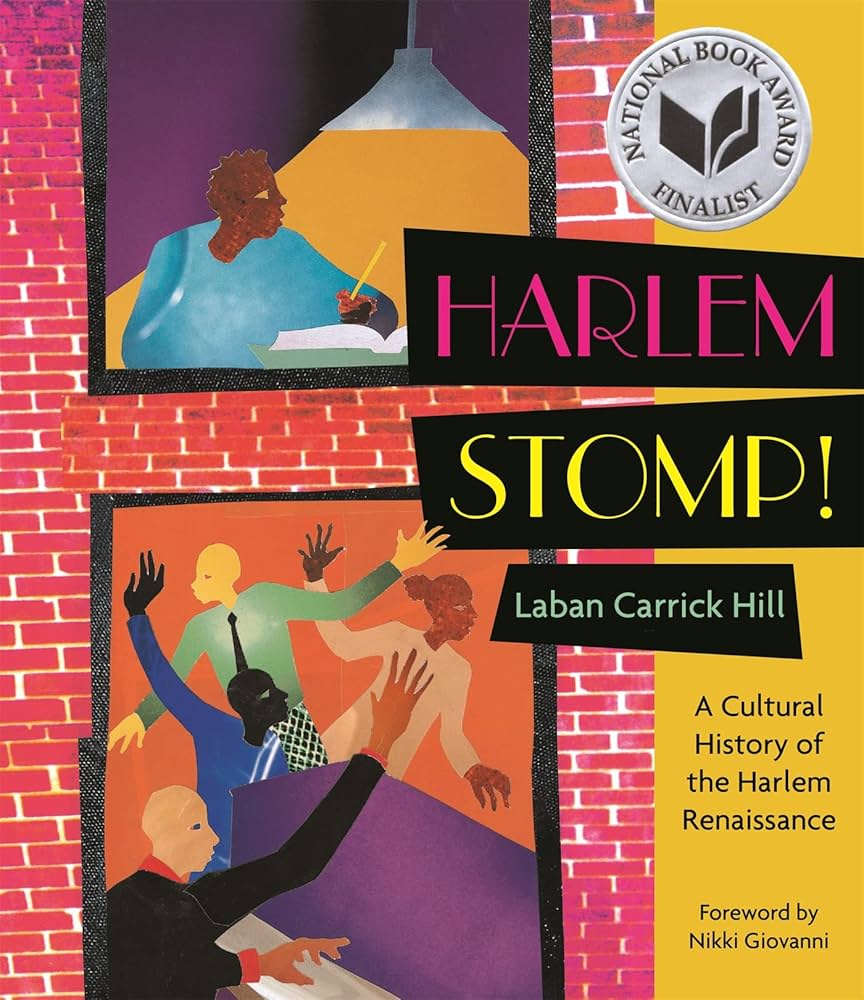
Harlem Stomp! A Cultural History of the Harlem Renaissance
Harlem Stomp! is a wonderous new book: it celebrates a time, a place, an energy, and a people who refused to be held back and so they created a culture the entire world is still reeling from.”
--George C. Wolfe, writer, director, and producer of the Public Theater, NYC
2. Fiction
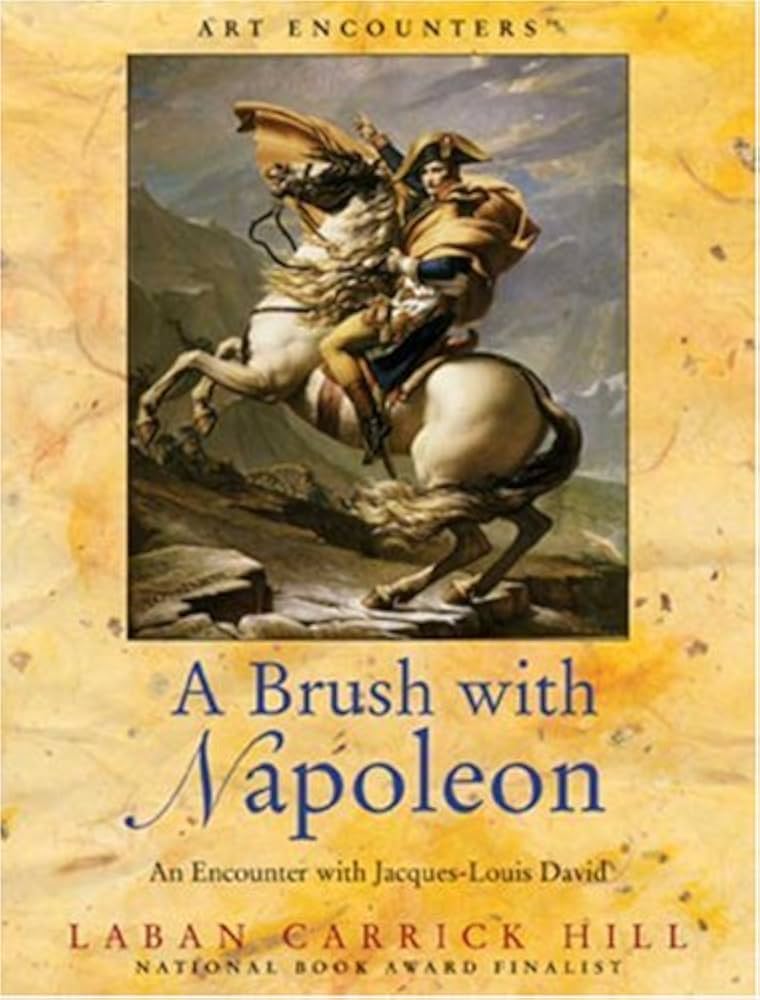
A Brush with Napoleon
A seventeen-year-old is plucked out of the Grande Armee to sit in place of Napoleon for a portrait of the Emperor by the artist David.
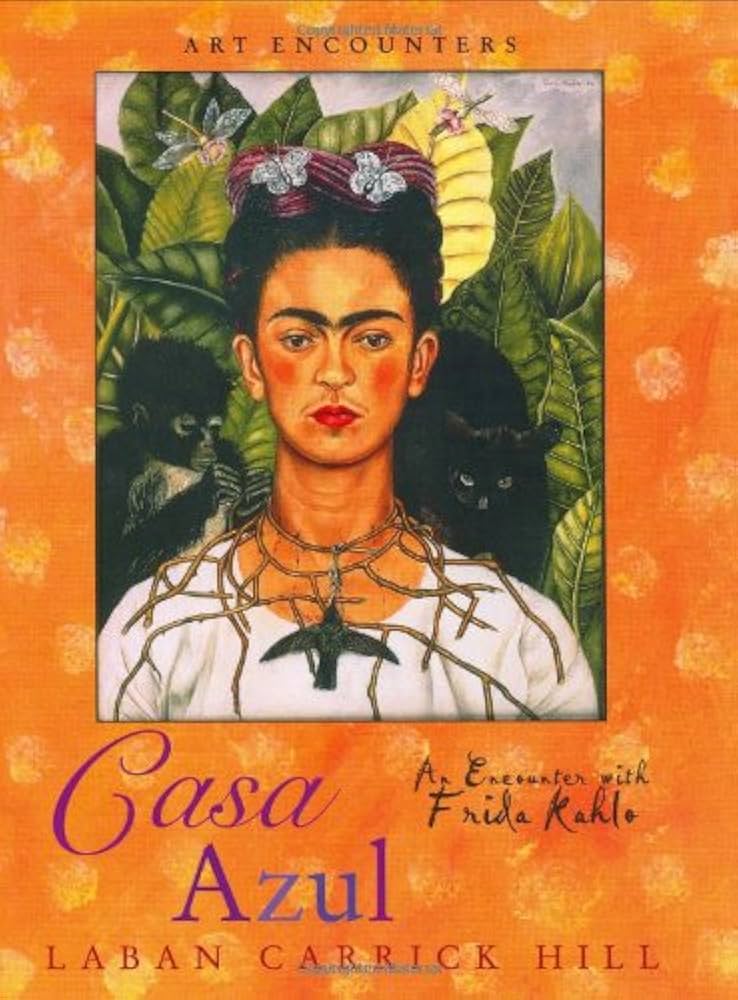
Casa Azul
"I felt like a kid reading every word on the page! I liked the strains of "magic realism" coming through in Frida's house! Children will relate to this very much! The story is charming and reads like a thriller." –Margarita Aguilar, Assisant Curator, El Museo del Barrio
4. Middle Grade Series
Xtreme Mysteries
These kids love extreme sports--snowboarding, skateboarding, rock climbing, wake boarding--and are ready to fight when the right to do their sport is threatened.