

Enter your e-mail address below to subscribe or unsubscribe from the mailing list.

subscribe
unsubscribe

(view privacy policy)

Read Past Newsletters

Groundnut Soup

Ghana Journal: Adinkra Symbols

26-Oct-2008

Ghana Journal: Adinkra Symbols

More than two weeks ago I traveled to the heart of the Ashanti region, but it has taken all this time for me to process and internalize the experience in a way that I could write about it. I must start by describing a play that I attended the night before I left. This play was The Fall of Kumbi by Mohamad Abdullah, a Ghanaian Muslim. As I sat there in the theater and listened to the audience heckle and comment loudly on the goings on stage, the actors played out a drama that had more in common with an ancient Greek tragedy than a modern Western play. Kumbi portrayed the fall of a traditional Ashanti kingdom and the rise of a Islamic state. Strangely, the play seemed to take no sides and by the end Kumbi was clearly going to rise again. Just after the middle of the drama a scene opened in an Ashanti shrine. Actors dressed and priests and priestesses moved to the rhythms of drums. A head priest dressed in a grass skirt performed a number of rituals that the audience seemed to recognize. The laughter from the audience made me think that perhaps the performers were exaggerating and satirizing the Ashanti rituals. As the scene progressed I took a skeptical view of the events unfolding on stage and felt somewhat dismissive of the entire affair. (Here’s a clip of the performance: http://www.youtube.com/watch?v=fZZqr2pGsuk and http://www.youtube.com/watch?v=m8Ln8WId__4.)

It wasn’t until I travelled north on a five hour bus ride along a moderately improved road and arrived at the village of Besease, about 20 km outside of the city of Kumasi, that I discovered how wrong again my smug attitude was. I’m at once reluctant to frame this experience as another description of Western comeuppance, because of how limited and predictable such constructs can be. Nevertheless, after walking 4 km along the highway to the small village of Besease, I came upon a two hundred year old shrine that was renovated and returned to its original splendor about a decade ago. The small building functions as both a museum and a sacred place. For a couple of cedis a foreigner can enter the shrine where traditional Adinkra iconography. (Note: Adinkra iconography comes from regions north of Ghana. These symbols and beliefs were integrated into the Ashanti, Fanti, Ewe and other tribal religions.) (Link to photos: http://picasaweb.google.com/labanhill/BeasaseShrine#)

The Adinkra iconography of this shrine is primarily improvisations on the Sankofa icon, which is a symbol of positive reversion and revival. The icon is noted for its curling lines. The proverb it representes is: “Se wo were fin a wosan kofa a yenkyi.” (“It is not a taboo to return to take back what you forgot.”) San ko fa is the short form for the proverb. You can see these words in the middle of the proverb. San means return. Ko means go. And fa means take. So the icon means “return and take.” The proverb seems to dwell on the wisdom in acquiring knowledge from the past and improving on them. It is believed that progress is based on the right application of positive aspects of past values.

The other icon in the photos is Denkyem, which is the name for crocodile. This icon represents a proverb: “Denkyem da nsuo mu, nso nnhome nsuo ohome mframa.” (“The crocodile lives in water but it does not breath water, it breaths air.” As the crocodile, which can live on both land and water, this symbol illustrates that one can learn to adapt to varied conditions and situations in life. I am always quite amazed at the deep and complex wisdom of these symbols and proverbs. As I’ve written before listening to these proverbs allows me to feel just how the Christian New Testament was so embraced in Ghana, but I can also hear all of the world’s great religions in these symbols. Scholars have argued over the influence of Muslim iconography, which is certainly visible, but I’d say that these works of faith touch something deeper that is at core of all religions, from Buddhism to whatever.

Ghanaians stamp these symbols on just about everything. I have had a shirt made from a batik cloth with the Sankofa symbol repeated over it. One popular plastic chair company uses the symbol Gye Nyame, which is the symbol of Supremacy. I’ve already written about this symbol, but didn’t realize it until I began looking at Adinkra iconography. Apparently, the translation for this symbol is “except the Lord.” As you might remember, I have already written about this phrase in terms of its relations to the King James translation of Psalm 128, which begins “Except the Lord.” Ironically, this phrase has a much older reference in Ghanaian culture. The symbol for Gye Nyame refers to the proverb: “Abodee yi firi tete; obi nnte ase a, onim n’ahyease, obi nntena ase nnkosi nawie ye gye Nyame.” (“The great creation from the unknown past; no lone lives who saw its beginning. No one lives who will see its end except God.” It is proverbs like these that make it possible for people here to move effortlessly between their traditional beliefs and Christianity. Neither ever seems at odds with each other.

As I looked at these icons, I read on the walls next to them about the Okomfo, who is the keeper of the shrine. Here is where I was brought back to what I watched on stage in The Fall of Kumbi. As I read the description of the ceremonies performed here at this shrine, I realized that what I witnessed and recorded was actually an accurate portrayal. In addition, the reason the audience heckled and participated so much was because that was how people were supposed to watch these ceremonies. If you look at that second video clip again, you see that the Okomfo is performing an Abisa Ceremony. The text in the shrine described the ceremony like this: “ As the Okomfo dances, an attendant periodically throws white clay into the air. This is to expel any bad spirits that may be present. The Akom sacred dancing he is performing usually follows a pattern of sudden short erratic periods of dancing, characterized by leaps and spins, signifying the power of the diety. These movements are followed by periods of calm.” In both of these videos you will see an Okomfo performing this dance. I was dumbstruck to read this description because it revealed just of how accurate and faithful the performance in the play. What is striking about this performance was that is lasted for more than half an hour within a two hour play. Unlike Western theater, where private and interior spaces are portrayed, it is these kinds of ceremonies that are privileged in Ghanaian theater. As I sat in the crowded tro-tro on my way back to Kumasi, I realized just how much the entire thrust of 20th century Western aesthetics is being ignored and refuted in small villages like Besease where the private and interior are unknown and the public and communal are the currency of life and prosperity. Obviously, I could wax on about this as some sort of lesson the West must learn in the 21st century, but it seems too obvious to spell out.

Selected Works

3. Poetry
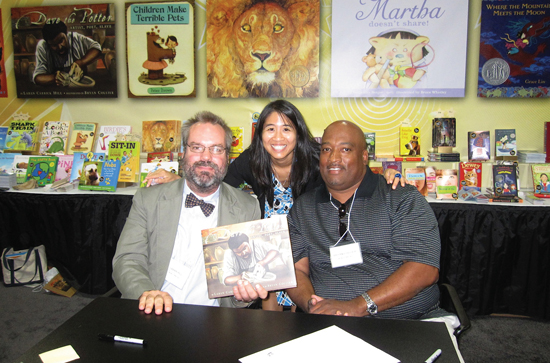
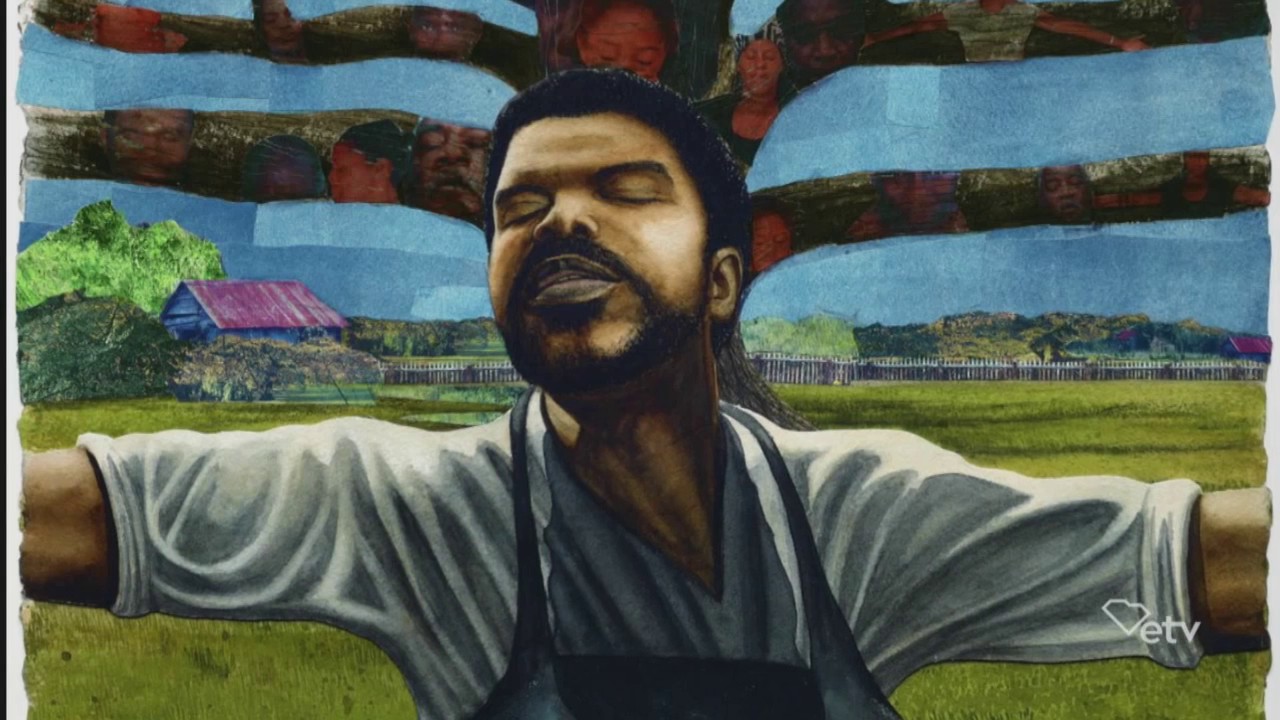
Dave the Potter
A picturebook poem describing the life of the slave potter Dave. Illustrated by Bryan Collier.
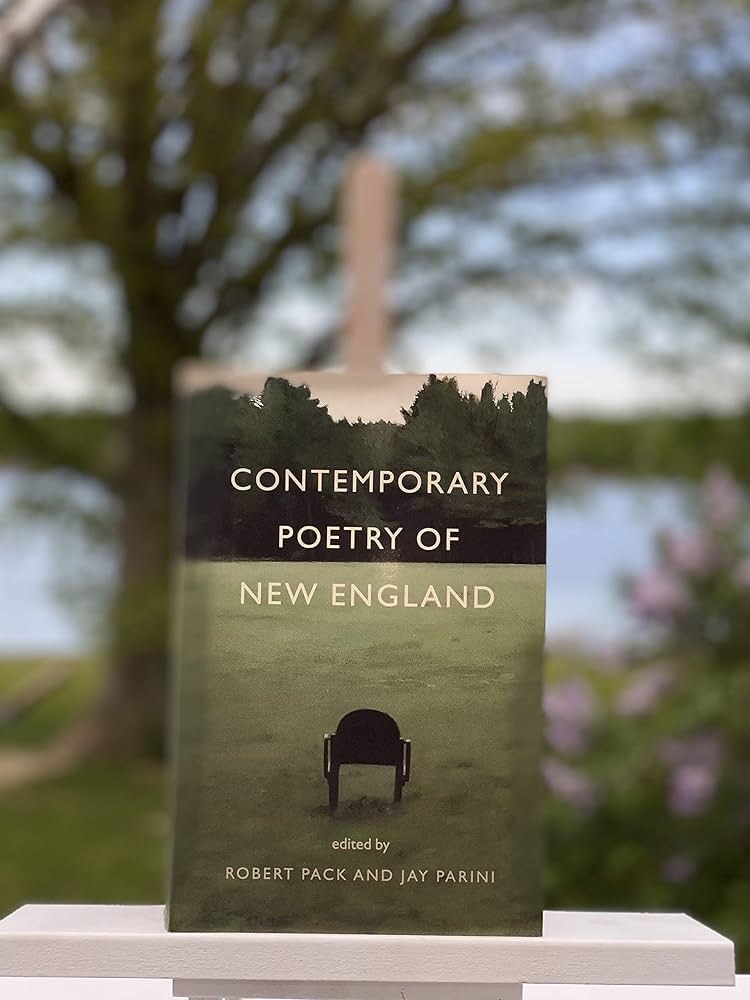
Contemporary Poetry of New England
“Contemporary Poetry of New England offers a vivid portrait of a region, its colors and smells, its physical and emotional textures, and the people…. It presents a range of poets, few of whom would call themselves a “region poet,” although each has taken to heart in a private way Frost’s haunting dictum: ‘Locality gives art.’”
--from the Introduction
1. Nonfiction
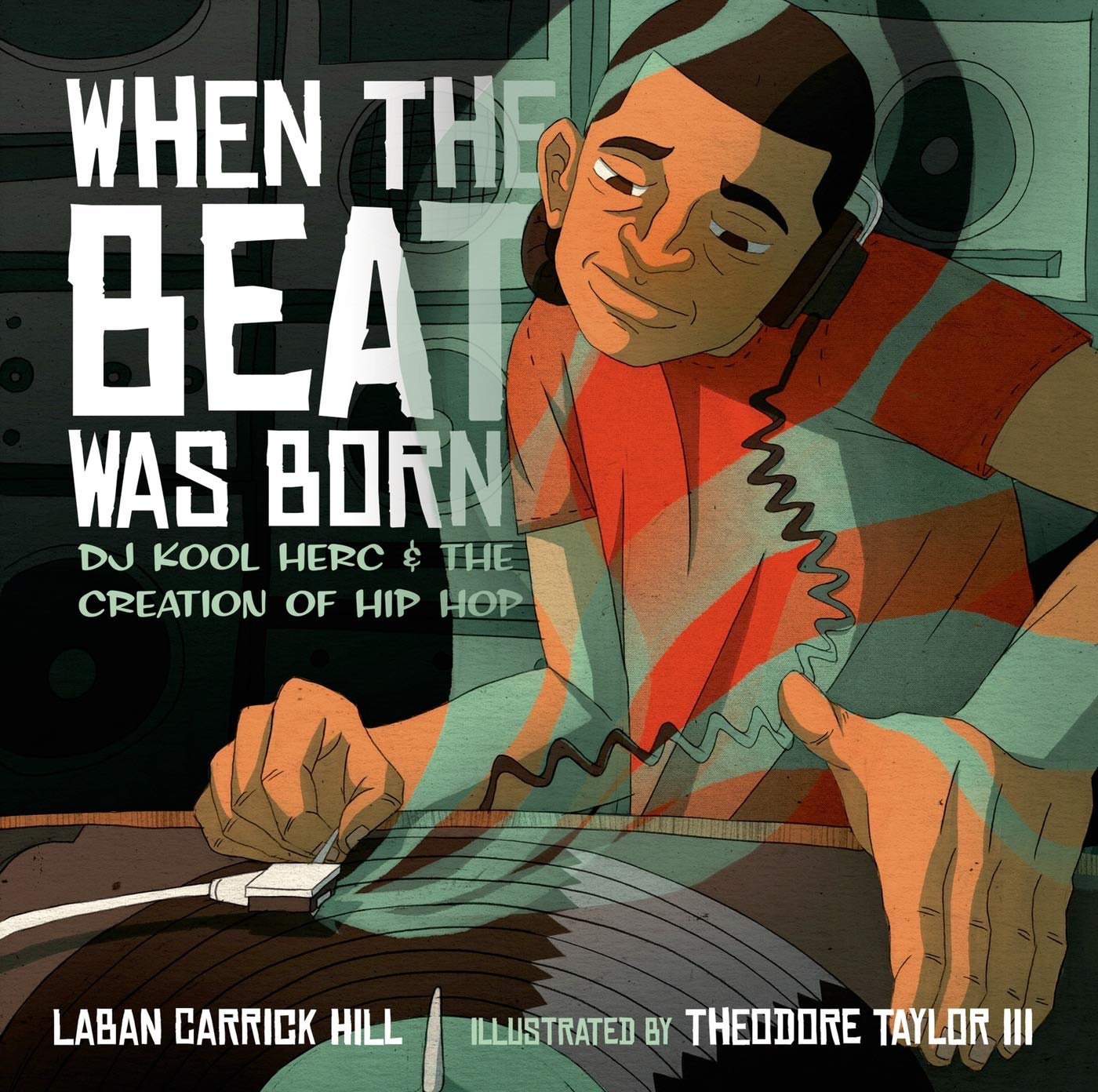
DJ Kool Herc
The first picturebook biography of the founder of rap and hip hop, DJ Kool Herc!
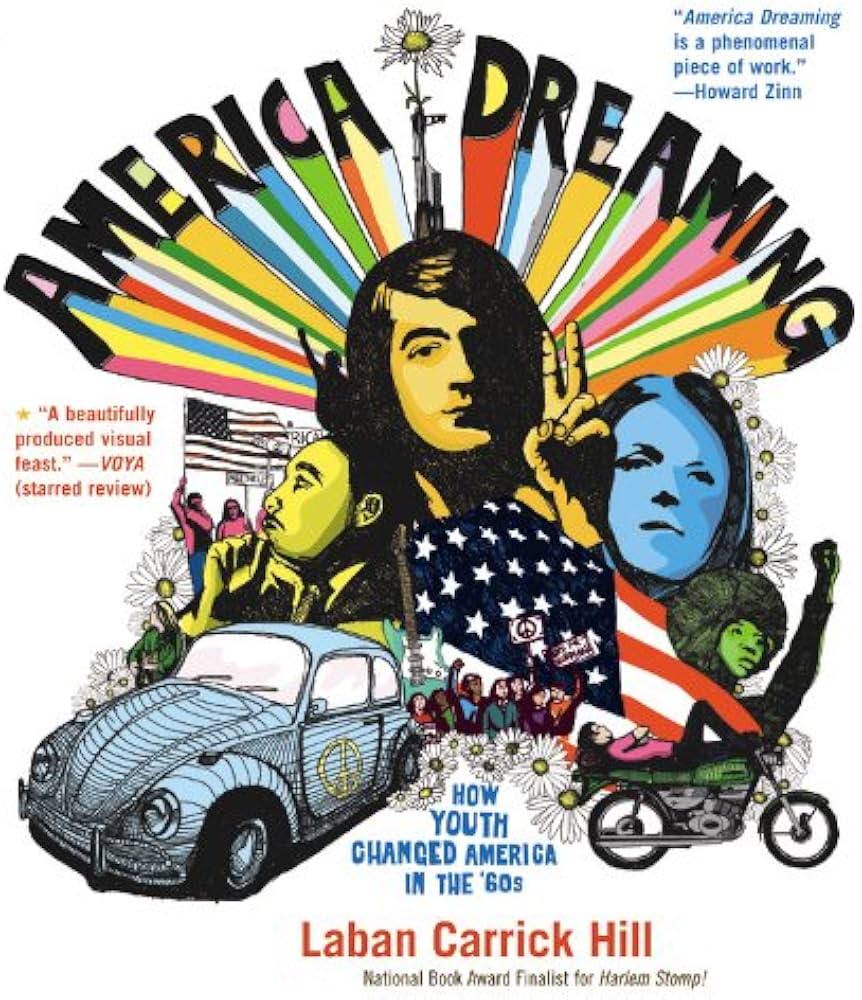
America Dreaming: How Youth Changed America in the 60s
"Phenomenal."–Howard Zinn "Excellent."–New York Times Book Review
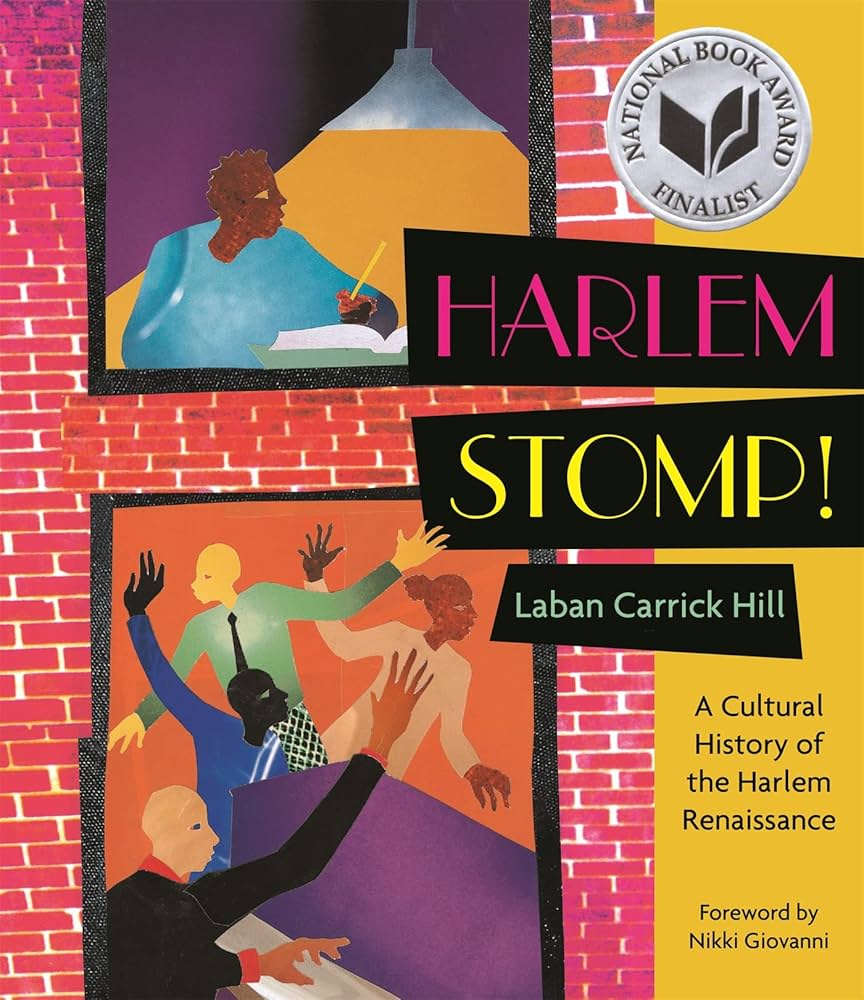
Harlem Stomp! A Cultural History of the Harlem Renaissance
Harlem Stomp! is a wonderous new book: it celebrates a time, a place, an energy, and a people who refused to be held back and so they created a culture the entire world is still reeling from.”
--George C. Wolfe, writer, director, and producer of the Public Theater, NYC
2. Fiction
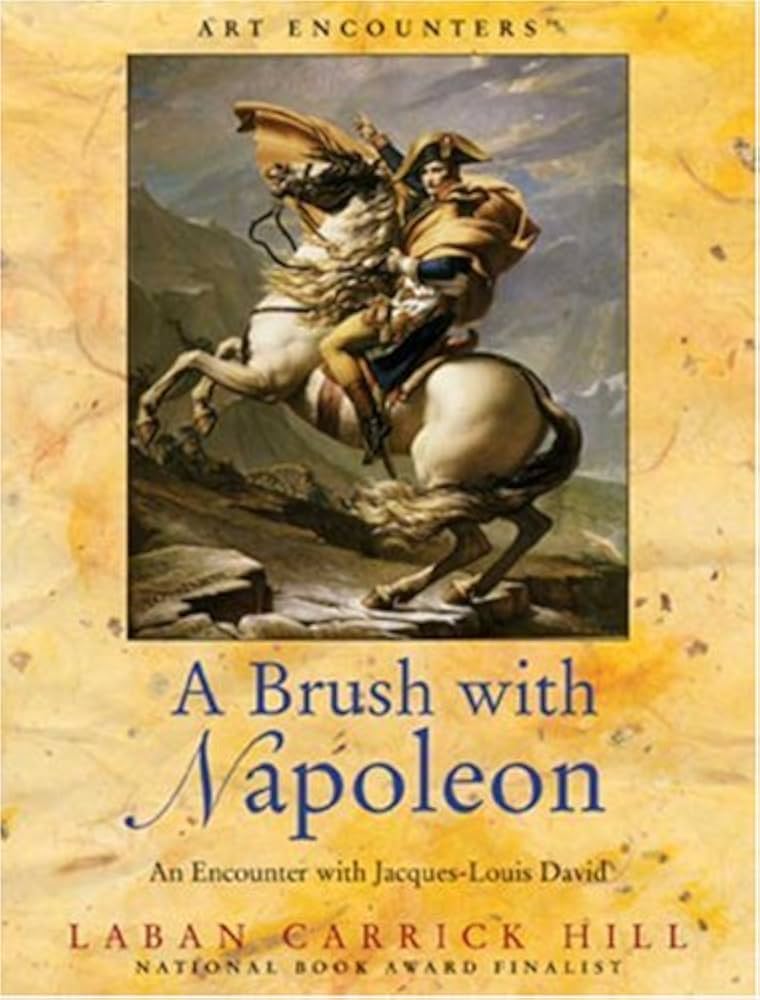
A Brush with Napoleon
A seventeen-year-old is plucked out of the Grande Armee to sit in place of Napoleon for a portrait of the Emperor by the artist David.
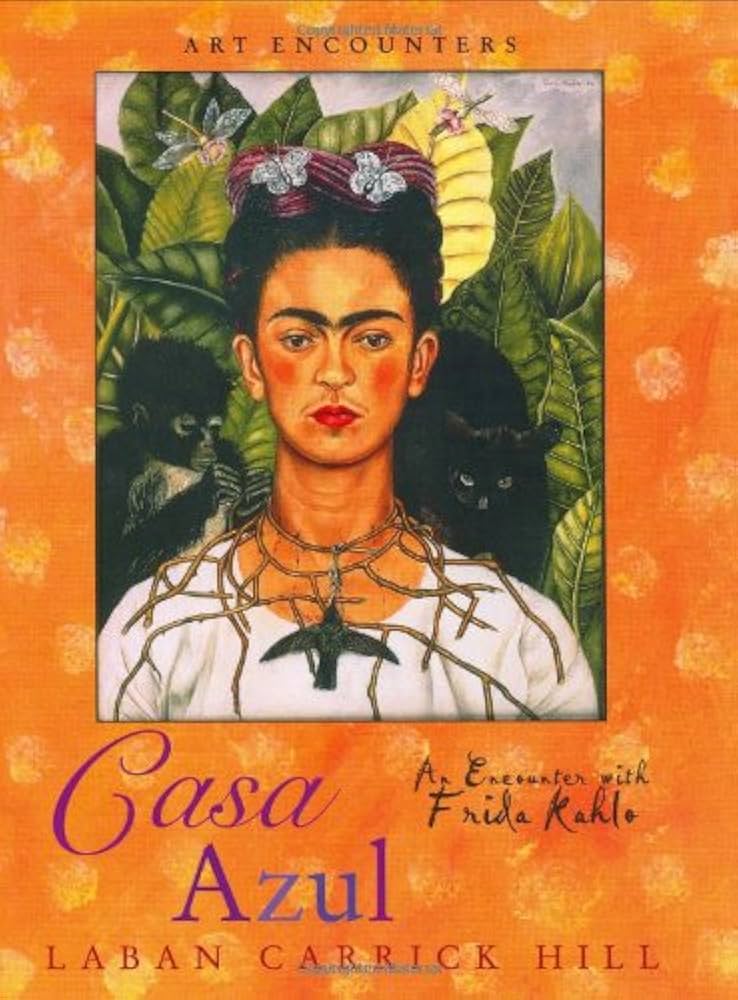
Casa Azul
"I felt like a kid reading every word on the page! I liked the strains of "magic realism" coming through in Frida's house! Children will relate to this very much! The story is charming and reads like a thriller." –Margarita Aguilar, Assisant Curator, El Museo del Barrio
4. Middle Grade Series
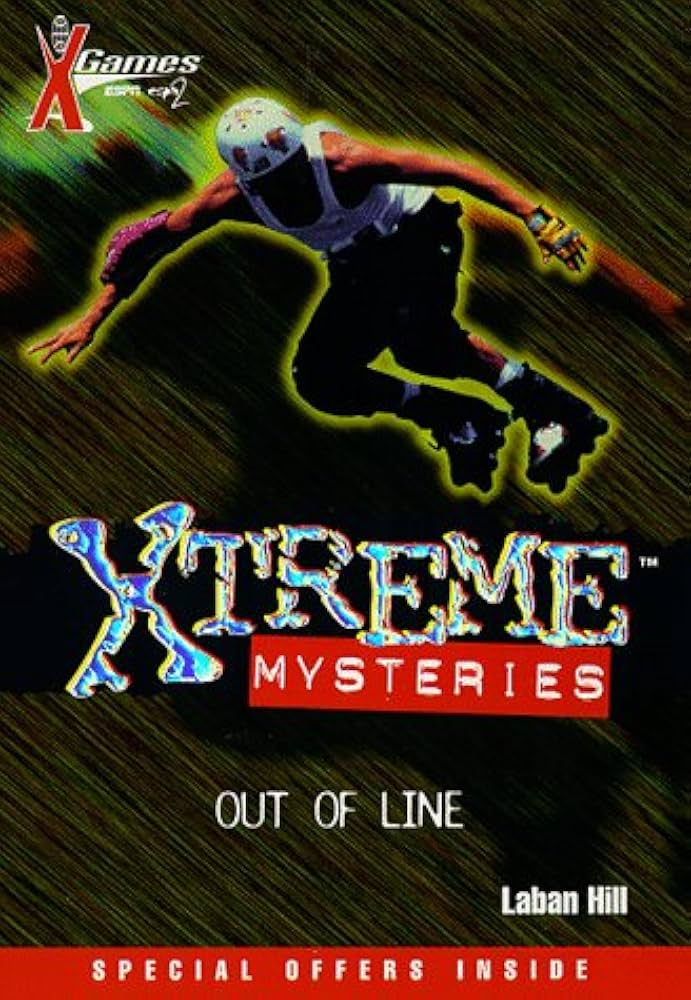
Xtreme Mysteries
These kids love extreme sports--snowboarding, skateboarding, rock climbing, wake boarding--and are ready to fight when the right to do their sport is threatened.