




Enter your e-mail address below to subscribe or unsubscribe from the mailing list.

subscribe
unsubscribe

(view privacy policy)

Read Past Newsletters

Groundnut Soup

Ghana Journal: Bakatue

11-Sep-2008

Ghana Journal: Bakatue

Less than twelve hours after the ceremonial blessing of the Fesu shrine, the events of the Bakatue began on the banks of the lagoon. It started with a march through town by masquerading dancers. These revelers, many of them children, were dressed in party colored outfits masked. They looked like court jesters and danced silly dances as they wound through the streets. The parade ended at the lagoon where three gaily painted dugout canoes waited for teams from different neighborhoods of Cape Coast to compete for cash. The canoes were about twenty feet long and had slogans carved in their sides like Psalm 121, Nyame Yie (God Is Good), and Yesu Neho Yeho (Jesus is Awesome.). The teams of paddlers wore white T-shirts advertising Opeim Bitters, one of the festival’s sponsors. (Go to this link to see photos: http://picasaweb.google.com/labanhill/BakatueCeremonyAndRegatta)

After two hours of preparations and discussion—everything is discussed here endlessly—the first regatta race started. It was a furious roiling of the lagoon by the three dugouts to a flag in the middle and back. The Nkum team won by such a margin they vogued and talked smack the last hundred yards, humiliating and enraging the other two teams. As a seasoned observer commented, they are the smallest and lightest of the teams, and clearly weight makes a difference. After a half hour rest and a short, insanely energetic concert by C.N.C. Brassband, the regatta was off once again. This time, Nkum narrowly won one more time. The other teams were clearly not happy. A million old Ghana cedes was at stake, which translate into about 1,000 new Ghana cedes, or a little more than one thousand dollars. (Even though old cedes were changed to new cedes more than a year ago, most people still calculate in old cedes and then translate into new cedes. This is also compounded by the fact that many people add an even more arduous step to their money calculations by pricing everything in pons, or pounds. These pons are then transferred into old cedes so that one pons is 20,000 old cedes or two new cedes. It can be mind-numbing trying to negotiate in the market for a slice of pineapple.)

With so much at stake the two losing teams lobby for a third race to decide it all. A half hour later, the third race is off, and a new team, Anafu, pulls in first. Nkum is clearly exhausted and is unable to put the nail in the coffin. After the race, the next hour is spent arguing among paddlers and officials about who is the winner of the regatta. Anafu claims that since they won the last race they deserve the prize. Nkum claims that they won two out of three. There is much pushing and shouting in a scrum of officials and athletes. After intense discussion, it was determined that all three teams would be awarded the million old cedes. With everyone now pleased with the outcome, the chief, sub-chiefs (chiefs of small villages and neighborhoods) and priests proceeded to the Nana Fosu shrine to perform libation rights one more time. All the chiefs walked under beautifully-designed, giant velvet umbrellas trimmed with gold fringe. At the shrine the head priest chanted and poured from a bottle of gin, label turned toward the priest’s palm. At least a thousand people crowded around the shrine to watch while several news cameramen stood on benches blocking the view.

Finally, the procession moved across the road to the other side of the lagoon. The traditional priests lead the way with a large wooden bowl holding offerings of gin and herbs for the lagoon. Drummers followed the priests, and the chief and subchiefs came last. The parade snaked through a crowd of several thousand cheering as well as honking taxis trying to squeeze there way down the road. (No, the police didn’t close the road for this so the taxis added another level of chaos.) All of this occurred to the thrum of the drums and the thump of giant speakers playing HipLife music. HipLife is a convergence of 1970s West African HighLife (think Funk) and American Hip Hop. At least four different bars had set out their stacked speakers and played competing HipLife songs. It added new meaning to the notion of scratching and mixing beats. (Go to this link to see video of the procession: http://www.youtube.com/watch?v=Aj0-vampbpw)

Eventually, we all arrived at the entrance to the lagoon on a strip of sand separating the Gulf of Guinea and the Fasu lagoon. For many there, everything depended on what happened next. If fish was caught after the lagoon had rested for two weeks, the coming year would bring bountiful catches. After another libation of gin poured directly into the lagoon, the head priest stripped to a pair of shorts and picked his net. He waded up to his chest and flung the net into the calm waters. Once the net settled he began hauling it in. To everyone’s disappointment no fish were in the net. He came back ashore and prayed before the chief. Several other priests chanted and poured more libations into the lagoon. Then the priest returned to the lagoon and waded deeper into the water, up to his chin. Holding the net above his head, he cast it as far and wide as possible. Again, the net came back empty. The priest kneeled before the chief once more and returned to the lagoon. This time he swam out to the other side. When he found just enough footing and his chin barely above the water, he cast a third time. This was not a charm, however. He returned empty netted. Almost immediately the rumblings in the crowd began to turn nasty. Everyone blamed the chief. Osabarimba Kwei Atta II, Omanhen of Oguaa Traditional Area, had promised to dredge the lagoon, which had become polluted and killed most of the fish. The chief had not met his commitment.

At this point, the entire Oguaa Fetu Afehye was in danger. There was talk of boycotting the rest of the festival. In fact, the procession of bringing in the harvest from the fields to welcome the chief to town was cancelled the next day. Instead, the priests returned to the lagoon and performed additional rites to appease Nana Fasu. Fortunately, this worked. When the head priest waded into the lagoon, he cast his net and caught a fish on the first attempt. There was a sense of huge relief all around the town. Still, people blamed the chief, and he remained in his palace on Commerce Road. The harvest procession was not rescheduled; the ceremony of slaughtering the cow was also canceled; and the football match at the stadium where all the chiefs of the area gather for a game was scuttled.

It would fall to the priests and priestesses to save the festival because the chief no longer had stature in the community.

Selected Works

3. Poetry
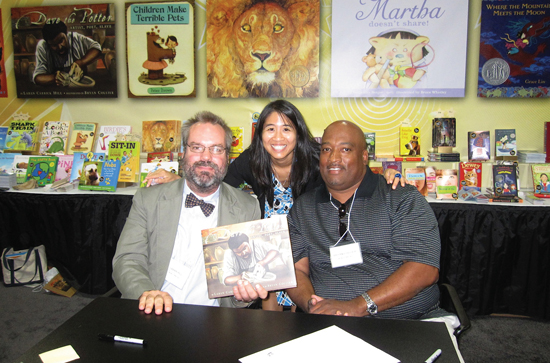
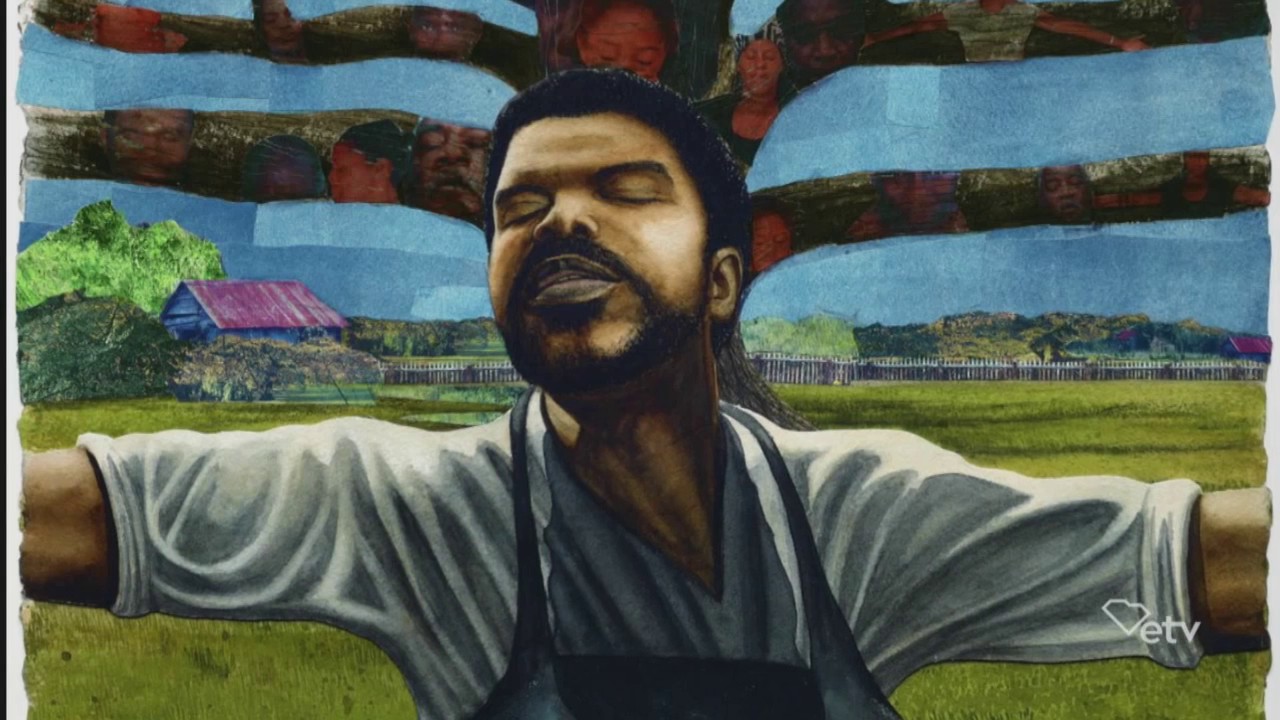
Dave the Potter
A picturebook poem describing the life of the slave potter Dave. Illustrated by Bryan Collier.
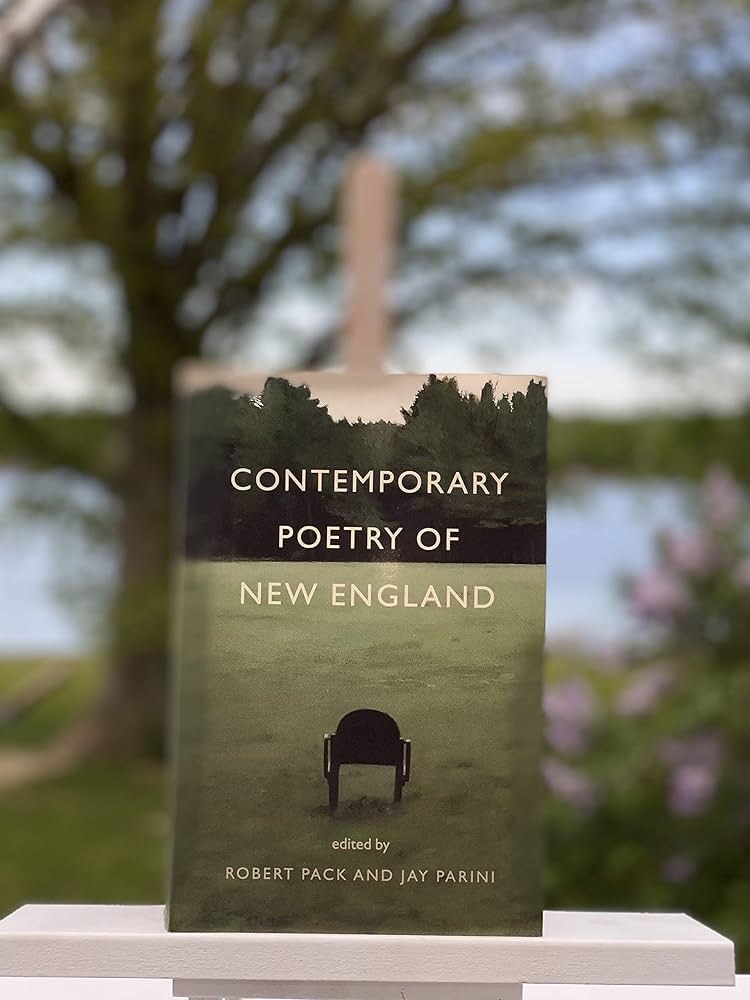
Contemporary Poetry of New England
“Contemporary Poetry of New England offers a vivid portrait of a region, its colors and smells, its physical and emotional textures, and the people…. It presents a range of poets, few of whom would call themselves a “region poet,” although each has taken to heart in a private way Frost’s haunting dictum: ‘Locality gives art.’”
--from the Introduction
1. Nonfiction
DJ Kool Herc
The first picturebook biography of the founder of rap and hip hop, DJ Kool Herc!
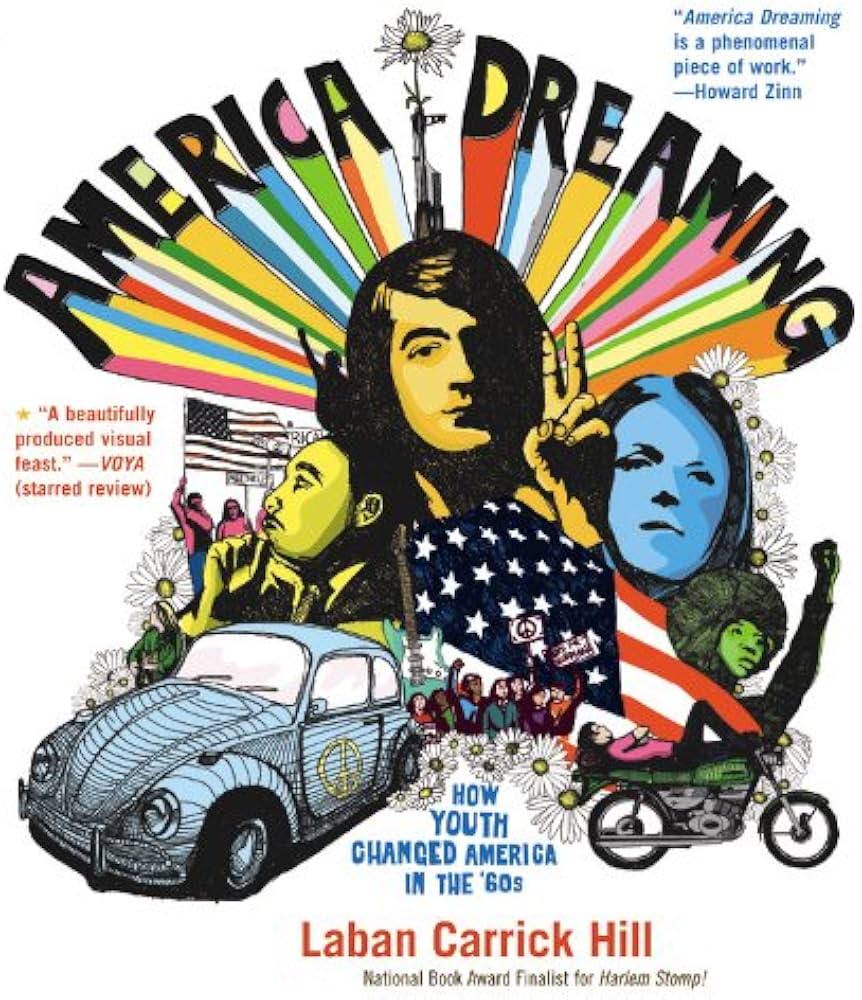
America Dreaming: How Youth Changed America in the 60s
"Phenomenal."–Howard Zinn "Excellent."–New York Times Book Review
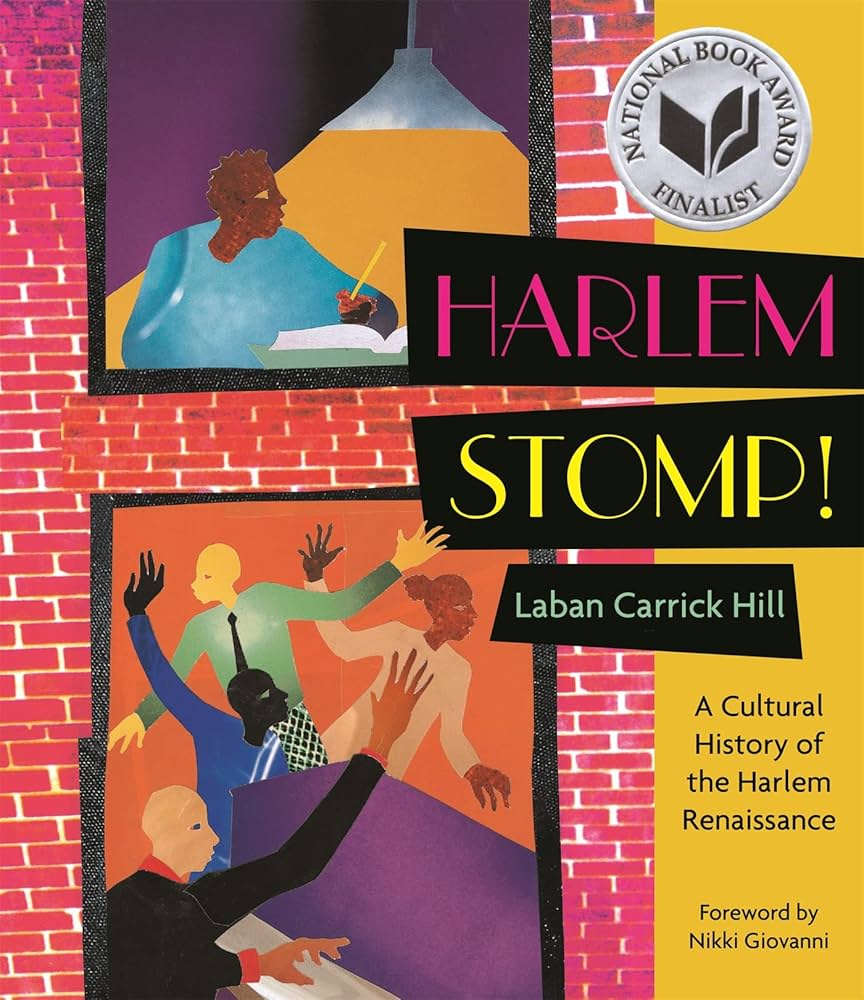
Harlem Stomp! A Cultural History of the Harlem Renaissance
Harlem Stomp! is a wonderous new book: it celebrates a time, a place, an energy, and a people who refused to be held back and so they created a culture the entire world is still reeling from.”
--George C. Wolfe, writer, director, and producer of the Public Theater, NYC
2. Fiction
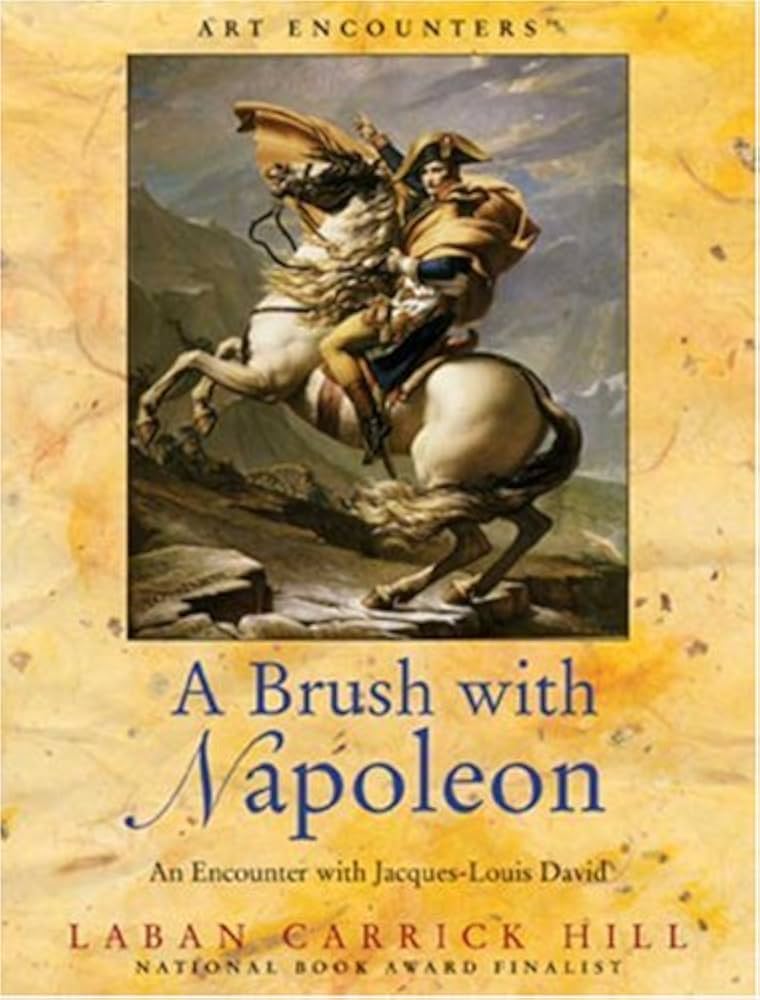
A Brush with Napoleon
A seventeen-year-old is plucked out of the Grande Armee to sit in place of Napoleon for a portrait of the Emperor by the artist David.
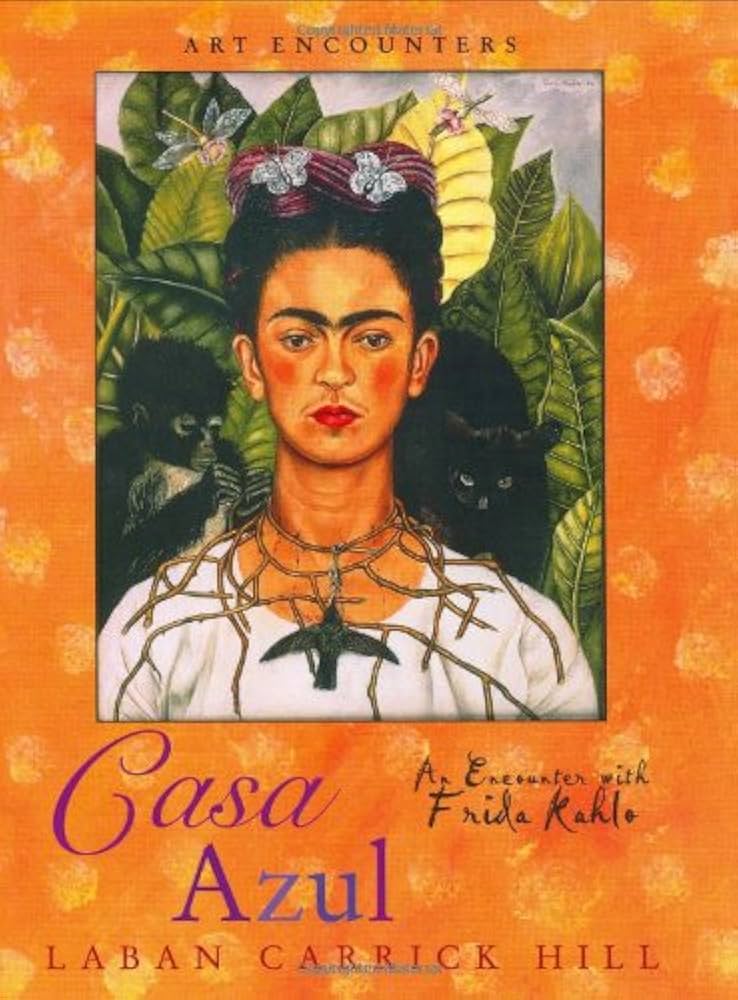
Casa Azul
"I felt like a kid reading every word on the page! I liked the strains of "magic realism" coming through in Frida's house! Children will relate to this very much! The story is charming and reads like a thriller." –Margarita Aguilar, Assisant Curator, El Museo del Barrio
4. Middle Grade Series
Xtreme Mysteries
These kids love extreme sports--snowboarding, skateboarding, rock climbing, wake boarding--and are ready to fight when the right to do their sport is threatened.