

Laban Carrick Hill

Enter your e-mail address below to subscribe or unsubscribe from the mailing list.

subscribe
unsubscribe

(view privacy policy)

Read Past Newsletters

Groundnut Soup

Ghana Journal: Road Works Aheard

August 28, 2008

8/28/8

Ghana Journal: Road Works Aheard

1.

This morning on the way to my office, I spotted a sign on the street: Road Works Aheard. (Photos at: http://picasaweb.google.com/labanhill.) It was clear to me that I would not see the road work. I would only hear it. This did not surprise me. Ghana is a loud place. Everyone has a cell phone and is speaking on it constantly. Cars honk their horns at every intersection because street signs are not observed. At the Kingsway intersection in downtown Cape Coast, there is a traffic light. It is not turned on. Instead, the car that is the most aggressive gets the right of way, while everyone honks. This never lets up since this is the busiest intersection in town. This morning I woke to the singing in a nearby Catholic church Our Lady of as well as the whipping sound of a machete trimming the bushes around my chalet at 6am. In my office, I can hear several classes going on simultaneous. The lecture halls which hold around 100 students have only screens on the windows, while the professor lectures into a microphone. The students in the class hear, but also anyone within several hundred yards. It is all aheard.

2.

I don’t know how to write about this and so I have found excuses not to sit down and attempt to describe it. Last weekend, I finally went to the Cape Coast Castle. I had been delaying going for the first two weeks because I found the whole thought of an interment camp for enslaving millions of people beyond anything that I could conceive. As a teen in the 1970s I visited Auschwitz and like any human being, I was made ill by the experience. The cold efficiency, the pure evil of the Nazi extermination program was something that I truly did not want to comprehend. Deep down I knew that every person had the ability to inflict such cruelty buried inside him or her, but I didn’t want to be made physically aware of this truth. It was more manageable as an abstraction, as something that I could acknowledge but did not touch.

As I passed the outer walls of Cape Coast Castle nearly every day of my first two weeks, I felt a sense of the impenetrability. The whitewashed stone fortifications seemed impossibly thick. As a container, the walls, so clean and smooth and huge, appeared capable of holding only the most horrific things imaginable. They represented a remarkable permanence, having survived more than five hundred years, that I instinctively wanted to remain outside of. For two weeks I could not penetrate this barrier, and so I walked around it and stood on the beach looking up at it. I could not find the courage, or perhaps clarity of mind and emotion, to cross through its gates, until this past weekend.

Like Auschwitz, I was first overwhelmed by the cold efficiency, the way the structure made the entire process of bringing Africans through the front door, stripping them of their humanity and pushing them out the “Door of No Return” as slaves. In Cape Coast, this procedure spanned only about 200 yards from door to door. Hundreds of Africans at a time from as far away as Nigeria would be crowded into a six-hundred-square-foot windowless chamber for up to two months at a time and given just the bare minimum of food and water—just enough to survive, but not enough to nourish rebellion. Only after they were beaten and broken were they herded into the holds of small ships stacked side by side like cargo. We all know this story. We have read slave memoirs. We have seen Roots and Armistad. This is not a new story, but the physical enormity of standing in this courtyard forced an awareness of human cruelty that I could not ignore.

Like a drunk on a binge, I needed to go to another castle immediately and confirm that this experience was not an exception. I had to know whether I was being overly dramatic and histrionic. It took me two days to arrange my schedule to journey to St. George Castle in Elmina. The Elmina fort is only 10km away from Cape Coast along the coast. When I arrived in a taxi, I saw that St. George was much larger and elaborate. It was as if Cape Coast Castle in its simplicity was a children’s horror story in comparison to the elaborate and complicated efficiency of this nightmare. While Cape Coast Castle was built by the English, St. George was initially built by the Portuegese and then “improved upon” by the Dutch. The Dutch East India Company ran a much larger operation with more than 600 Africans at a time within the walls. It also designed the fort for the captors’ convenience and sense of justice.

The Dutch Reformed Church chapel was located on the second floor directly above one of the women’s slave dungeons. Perhaps this was done intentionally so that the women could benefit from the enlightened religious awareness that might filter down through the floorboards. Perhaps the incomprehensible signing and praying was meant to terrify the African women into compliance. Most likely, the Dutch slave dealers did not even think twice about where the chapel was located since the African women were considered property. Opposite the chapel on the second floor and across the courtyard of the women’s dungeons was located the officers’ mess and the Governor’s balcony. After supper the Governor would stand on the balcony and choose the women for the bed. The women were then washed and taken up a special stairwell to the Governor’s chamber.

There are really no words that can describe these monuments. I want to reference the entire literature of the holocaust and the African Diaspora, but still it seems inadequate to honor and comprehend the pure evil that was committed here. That these monuments still stand and are not destroyed is perhaps our only hope of salvation. Here, within the vast empty walls of Cape Coast Castle and St. Georges Castle I can sense their absence and an enormous silence where voice and music and the sounds of life one flourished. I listen and hear nothing, and that is all the more painful.

In his collection of poems meditating on the castle, Ghana poet Kwado Opoku-Agyemang writes these lines:

History does not repeat itself
It merely quotes us
When we have not been too wise.

Selected Works

3. Poetry
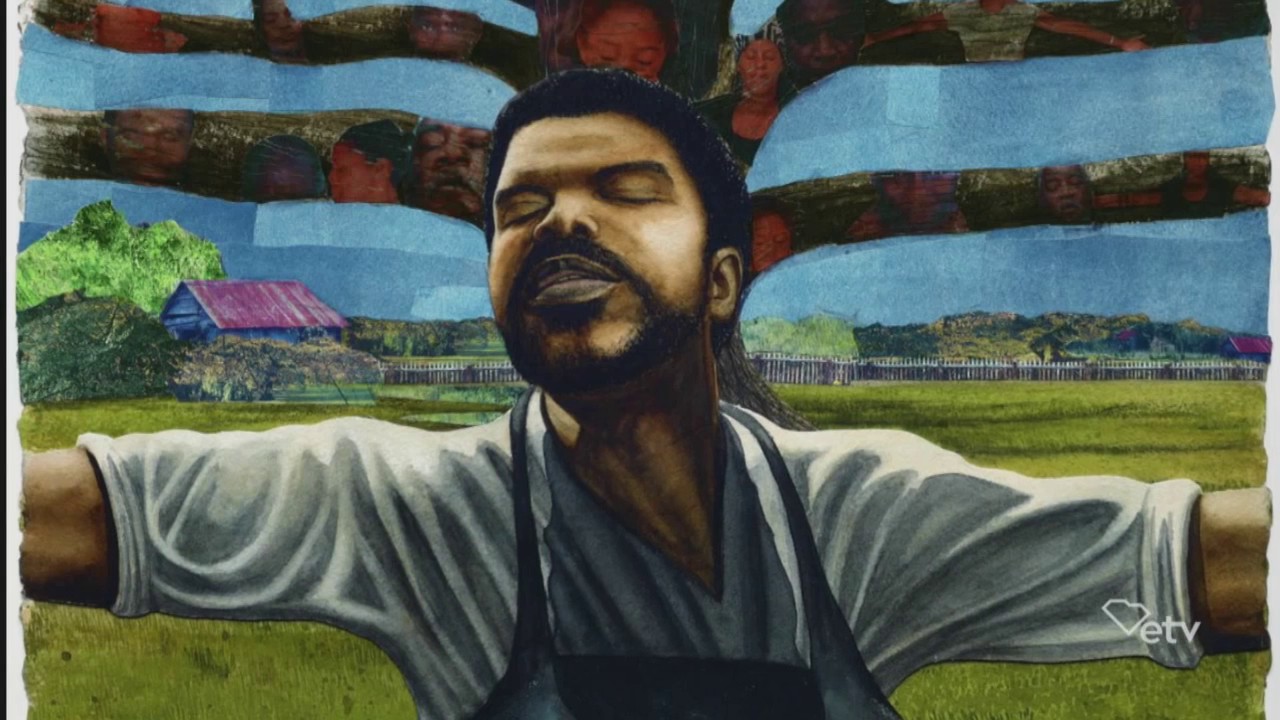
Dave the Potter
A picturebook poem describing the life of the slave potter Dave. Illustrated by Bryan Collier.
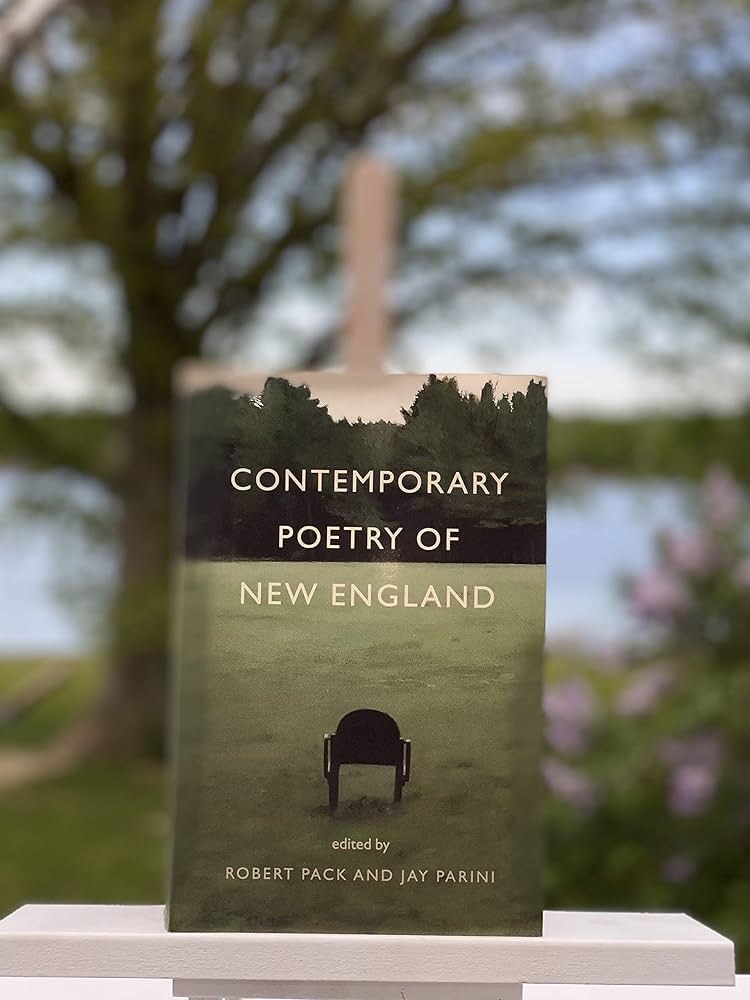
Contemporary Poetry of New England
“Contemporary Poetry of New England offers a vivid portrait of a region, its colors and smells, its physical and emotional textures, and the people…. It presents a range of poets, few of whom would call themselves a “region poet,” although each has taken to heart in a private way Frost’s haunting dictum: ‘Locality gives art.’”
--from the Introduction
1. Nonfiction
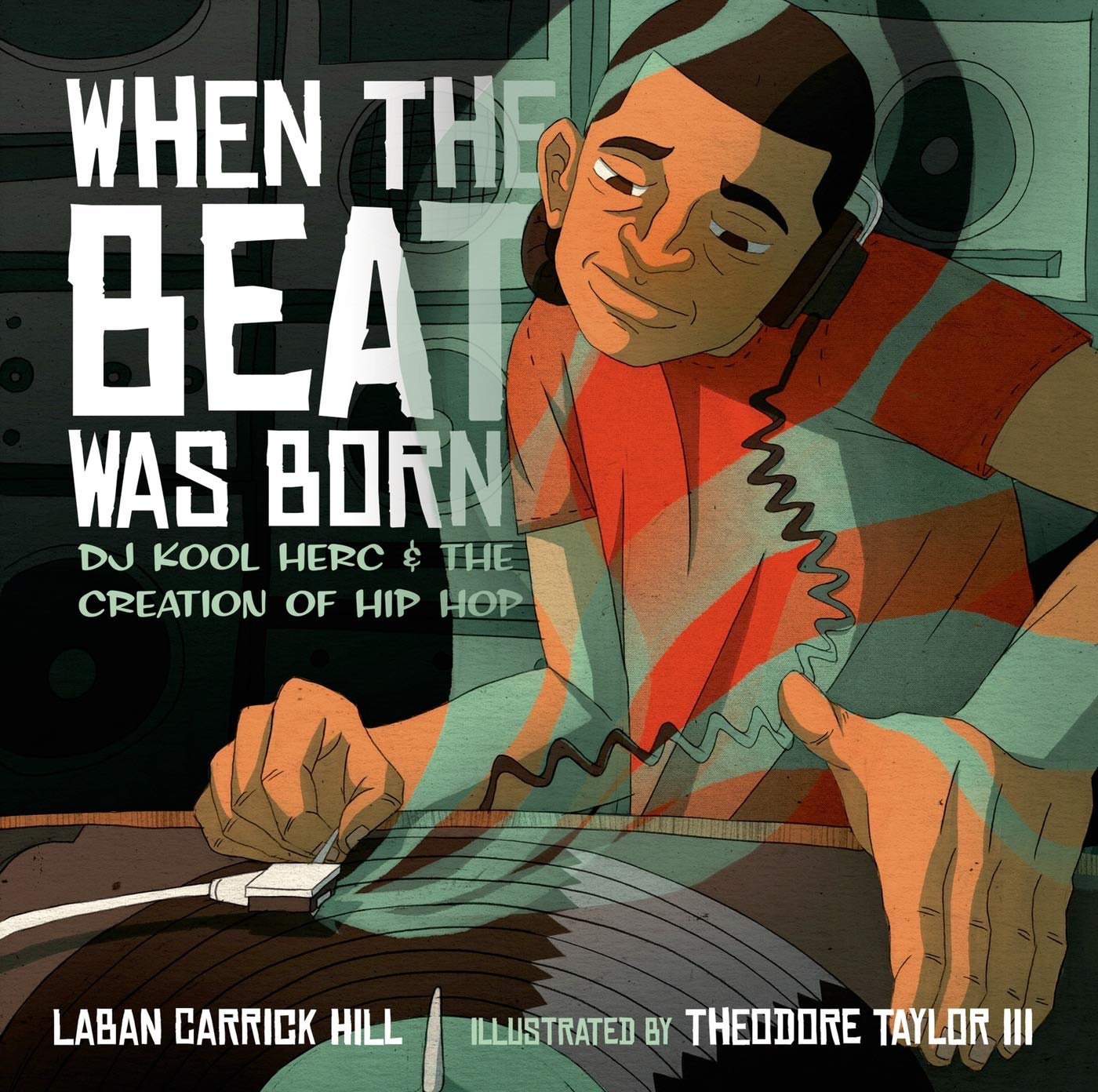
DJ Kool Herc
The first picturebook biography of the founder of rap and hip hop, DJ Kool Herc!
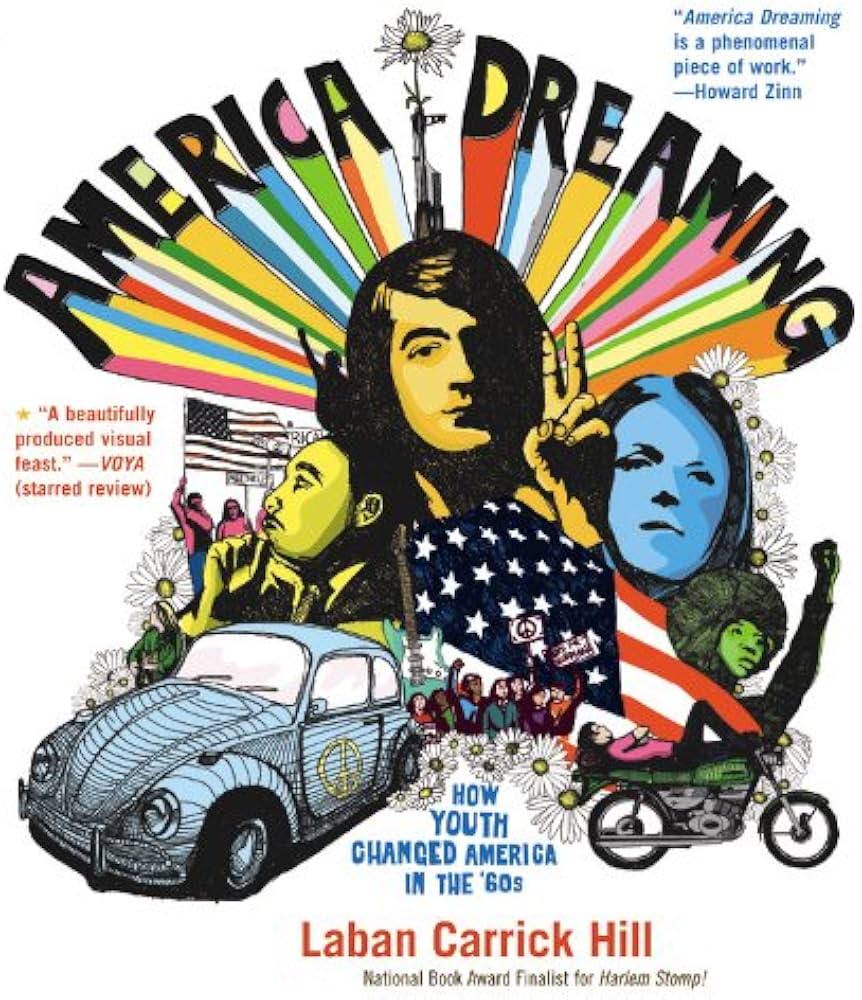
America Dreaming: How Youth Changed America in the 60s
"Phenomenal."–Howard Zinn "Excellent."–New York Times Book Review
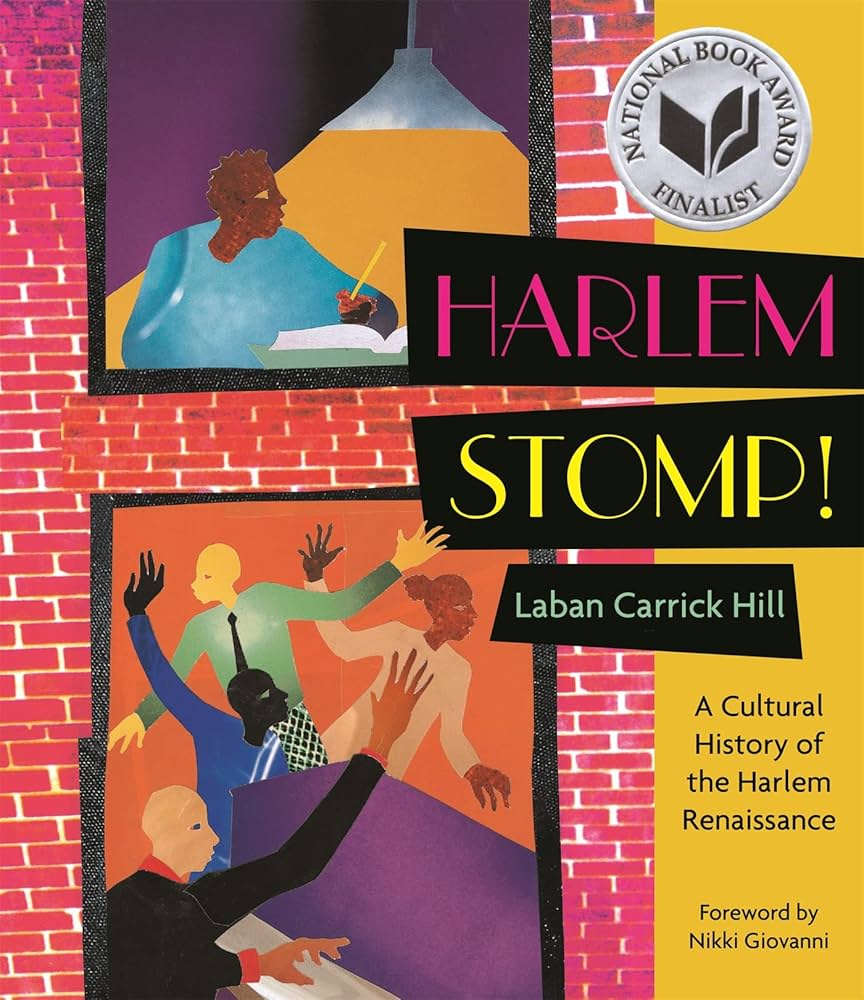
Harlem Stomp! A Cultural History of the Harlem Renaissance
Harlem Stomp! is a wonderous new book: it celebrates a time, a place, an energy, and a people who refused to be held back and so they created a culture the entire world is still reeling from.”
--George C. Wolfe, writer, director, and producer of the Public Theater, NYC
2. Fiction
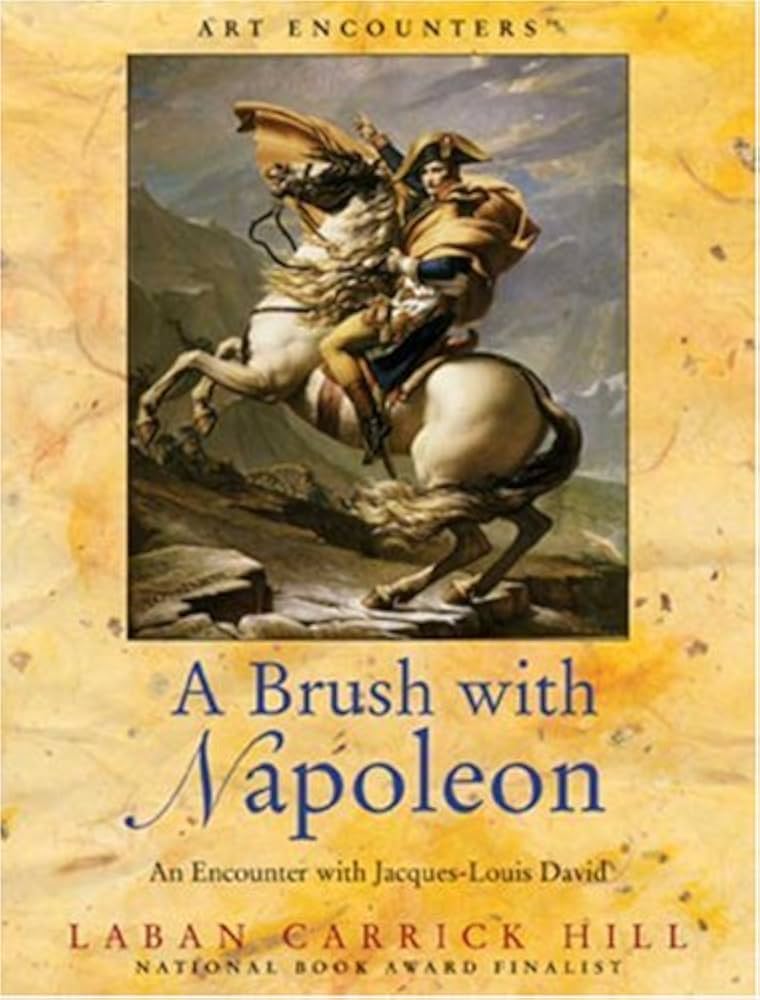
A Brush with Napoleon
A seventeen-year-old is plucked out of the Grande Armee to sit in place of Napoleon for a portrait of the Emperor by the artist David.
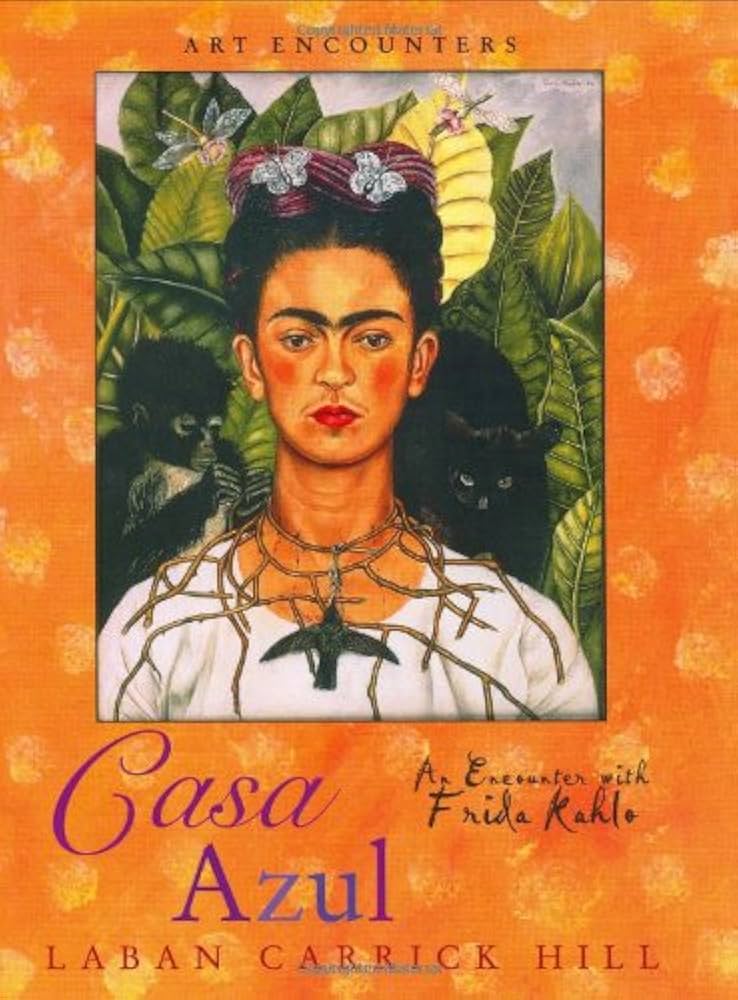
Casa Azul
"I felt like a kid reading every word on the page! I liked the strains of "magic realism" coming through in Frida's house! Children will relate to this very much! The story is charming and reads like a thriller." –Margarita Aguilar, Assisant Curator, El Museo del Barrio
4. Middle Grade Series
Xtreme Mysteries
These kids love extreme sports--snowboarding, skateboarding, rock climbing, wake boarding--and are ready to fight when the right to do their sport is threatened.