
Enter your e-mail address below to subscribe or unsubscribe from the mailing list.

subscribe
unsubscribe

(view privacy policy)

Read Past Newsletters

Groundnut Soup

Ghana Journal: A Meditation on Difference

24-Aug-2008

Last night, around 11pm, a knock came to the door of my chalet here in the Sasakawa section of the Cape Coast campus. When I opened my door, a young woman stood at my door. It was the same woman who had knocked on my door two days earlier in the afternoon and asked to do my laundry. I had told her then that I did not need her services. This time she carried an infant tied to her back with a brightly batiked bolt of cotton cloth. Beside her stood a spindly boy no more than six or seven years old. The woman spoke Fanti to the boy. The boy looked up to me and said, “White man, she do your laundry.”

I had not been asleep. In fact, I was watching a Robert DeNiro film City by the Sea on my computer. I was about halfway through, at the moment when the evil drug czar shoots and kills DeNiro’s partner and frames DeNiro’s drug-addicted son for the murder. I had bought the film along with 100 other movies burned on two DVD’s for four cedis (about four U.S. dollars) at the Meet Me There Bar two nights earlier. One DVD held about twenty DeNiro films, including Meet the Fokkers, Analyze This, Cop Land, Brazil, Meet the Parents, etc. The other DVD held 80 movies starring what were billed as the “Three Greatest Effort Stars,” Jackie Chan, Jet Li, and Yun-Fat Chow (or in American parlance Chow Yun Fat). No matter where you go in towns and cities here you will find people selling pirated DVDs packaged in these jumbo packs where the films are somehow compressed to fit on a single DVD.

When I heard the knock on the door, I paused the film and called out, “Who’s there?” The boy spoke but I couldn’t understand what he said. I went to the door and asked again while I pulled back the curtain to see who was on the porch. I still didn’t understand what the boy wanted. At the same time I felt foolish that I was afraid to open the door to a young woman and her child. I unlocked the door and opened it a crack.

“Please. She do laundry,” the boy said. The woman spoke something to him and he spoke again. “She have baby.”

As I knew would eventually happen many times while I was here in Africa, I still wasn’t prepared. I said, “No.” I didn’t discuss it. I didn’t worry over the moral dilemma though I was completely aware of what I was doing. Instead, I found myself angry.

The woman said something else to the boy. “Please. Her baby is sick,” he said.

I said, “No,” and started to shut the door.

“Wait. The baby sick,” he repeated in a soft and quiet voice as if he were trying not to wake the people sleeping in the other chalets.

I shut the door. I was angry. I sat in a chair and waited to hear them move on to another chalet. They moved on, but knocked on no one else’s door. I was the only white person staying in the chalets on this evening. As I returned to my movie, I was intimately aware of the ease to which I was willing to exploit Ghana culture, such as pirated DVDs, and unwilling to allow myself to be exploited. The boy’s small voice still haunts me hours later.

It is moments like these that have make me feel some reluctant to sit down and write about Ghana. I have felt a tremendous reticence over the last week to put my experiences down in my blog because it appears that one of the primary themes will be a narrative of difference, their difference to mine and my difference to nearly everything I witness and encounter. I know this will change over time as I settle into the community, but I can’t help but be reminded at this point at the end of my second week. As I walk through the markets, little children call out, “Hey, white man!” It is as if all they want is my gaze. I smile and wave and say, “Hello.” Yesterday, a man came up to me and said, “White man, you are too nice.”

I don’t think I will ever stop feeling the sense that I am a tourist, but I do hope that it is not the only narrative I discover. I have arranged with a young woman who teaches third grade in a local school to tutor me in Fanti, the primary language in the central region of Ghana. I am also making sure that I go out every day and talk to people. When someone stops me on the street, I try not to push them away while at the same time I am firm not to let them try to exploit me. I can sense that many people assume that because I am white I am rich. They approach me with expectations that I will open my wallet if they simply ask or that I will sponsor them for a visa to America. The cultural barriers and expectations from both me and from the community in which I’ve inserted myself are extraordinary. At times, they seem either impossible to decode or so easy to reduce to the simple and singular construct of difference.

In the Kokokuraba Market yesterday, a young man approached every white person with a list for people to sign asking for a donation for his Under-17 football club. This is really no different than the kinds of solicitations I receive on Church Street in Burlington, VT, but my responsibility felt even more weighted. I felt a much greater moral responsibility to respond that I would never feel in the states. When he pulled me aside to speak with me, he asked me for money and my email address. I gave him my mobile phone number and told him that I would come to one of his team games. I refused to give him money, but we spoke about football and his team for several minutes. A little further down the street, several very small children pulled at the hem of my shirt and grabbed my arm. They asked for money. The extraordinary thing about these children was that they were very light skinned and did not have the black, tightly curled hair of local Ghanaians. Their hair was almost reddish in color. They appeared to be outcasts or refugees from Northern Africa. Again, I told them, “No.” I don’t know if I will ever give money or not, but at this point I am not ready. I fear that if I do open my pockets the flood gates will begin and I won’t be able to stop. In my soul I somehow believe that I can find the right response, though intellectually I understand that this is foolish. There is no correct response because what I am worried about is how I am perceived, not who I am. I know that this feeling will perhaps change, but for now I have to say, “No.”

Selected Works

1. Nonfiction
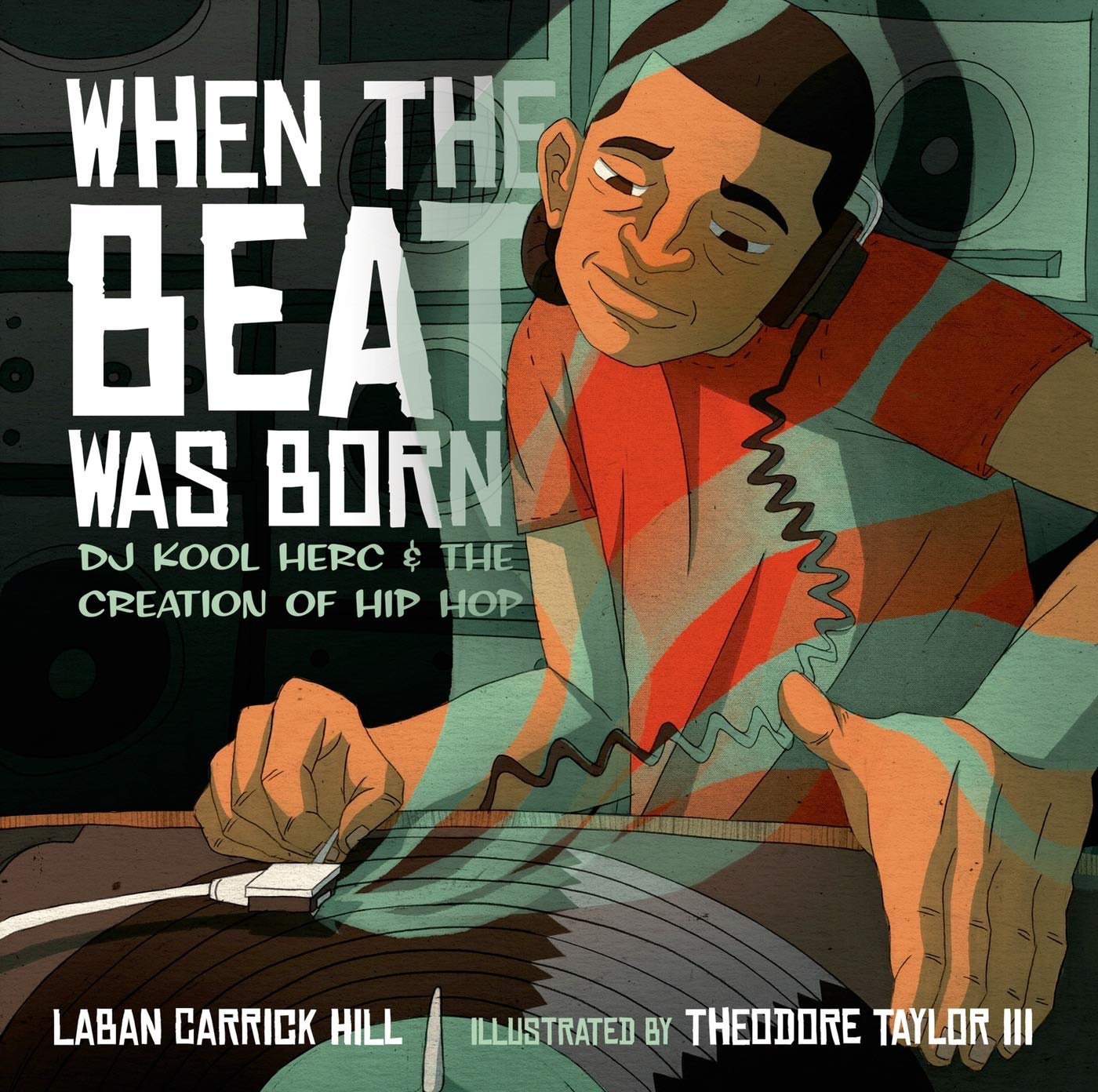
DJ Kool Herc
The first picturebook biography of the founder of rap and hip hop, DJ Kool Herc!
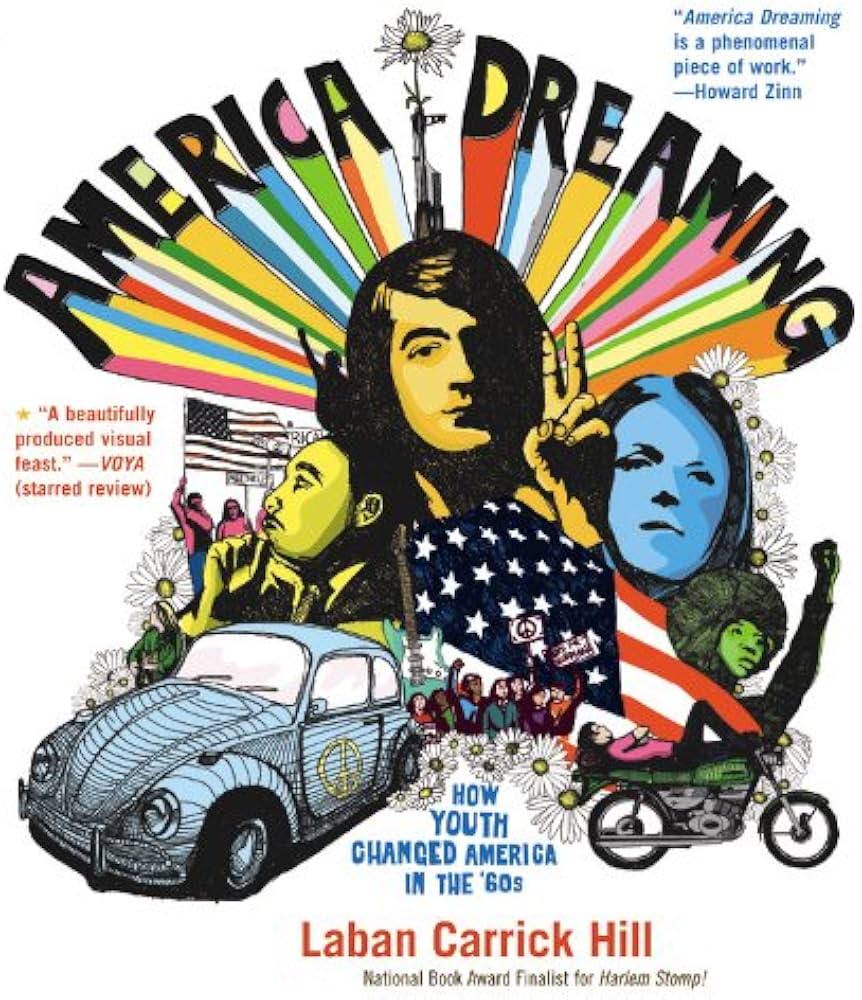
America Dreaming: How Youth Changed America in the 60s
"Phenomenal."–Howard Zinn "Excellent."–New York Times Book Review
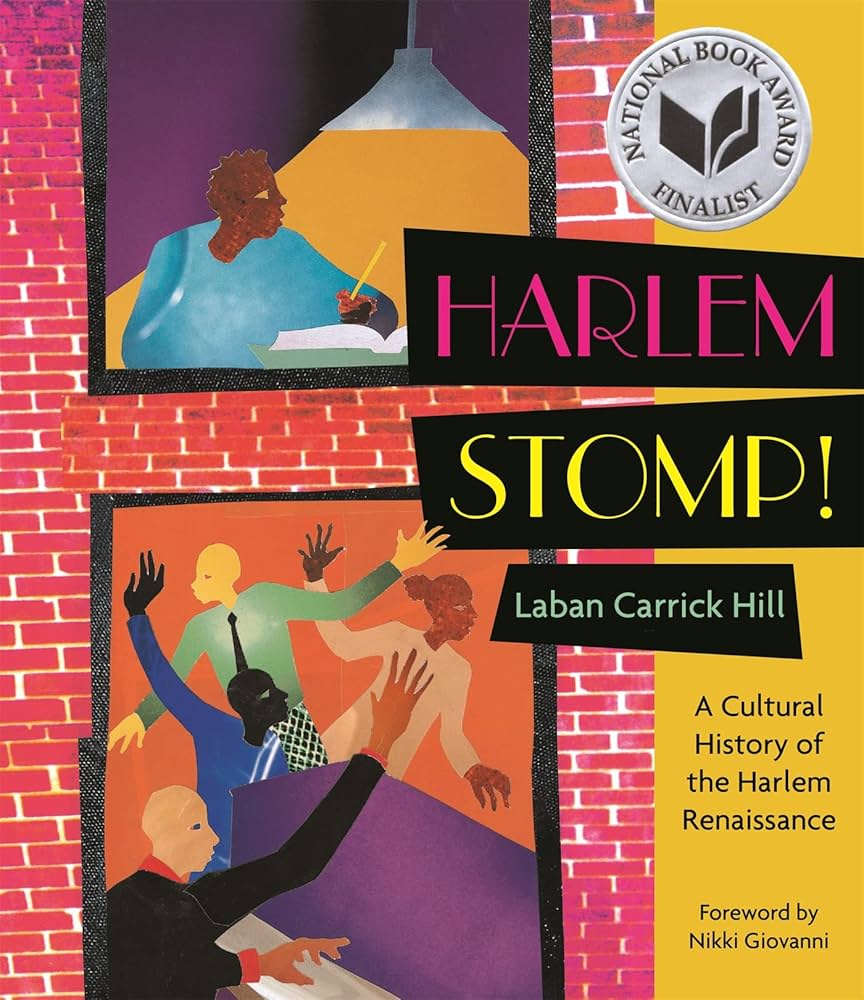
Harlem Stomp! A Cultural History of the Harlem Renaissance
Harlem Stomp! is a wonderous new book: it celebrates a time, a place, an energy, and a people who refused to be held back and so they created a culture the entire world is still reeling from.”
--George C. Wolfe, writer, director, and producer of the Public Theater, NYC
3. Poetry
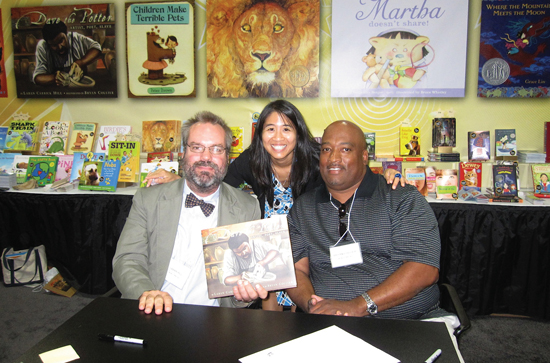
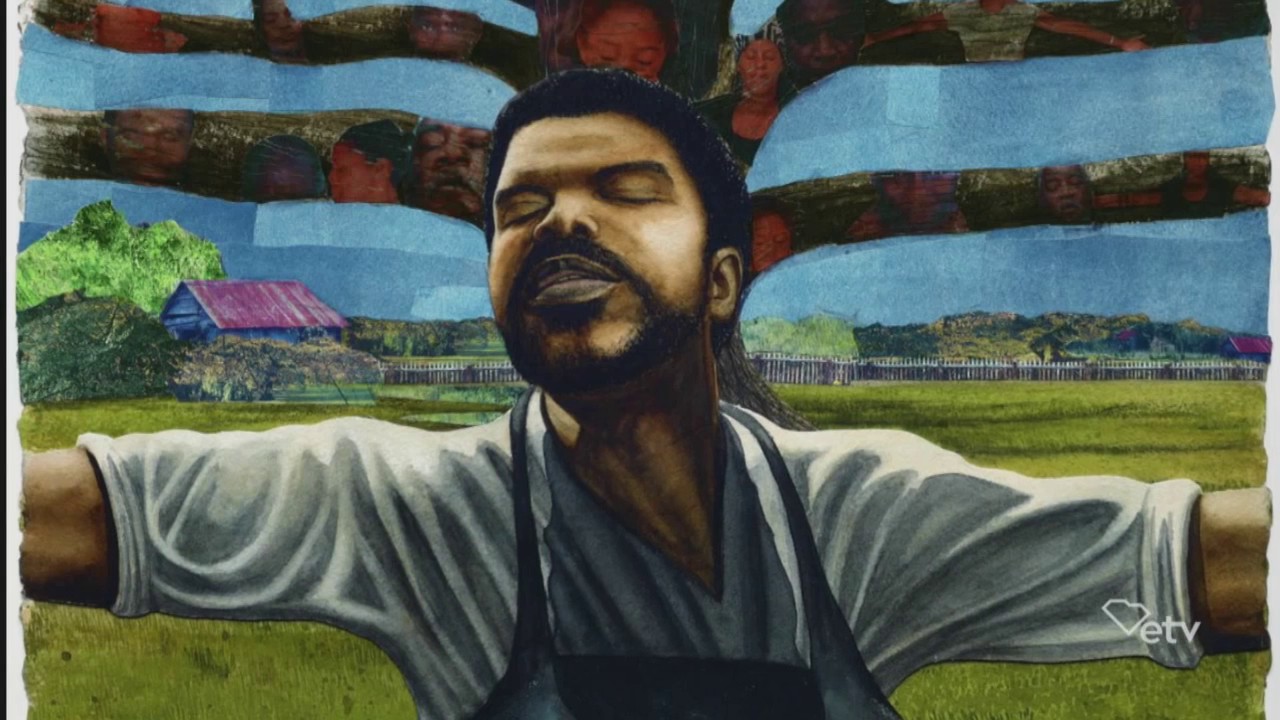
Dave the Potter
A picturebook poem describing the life of the slave potter Dave. Illustrated by Bryan Collier.
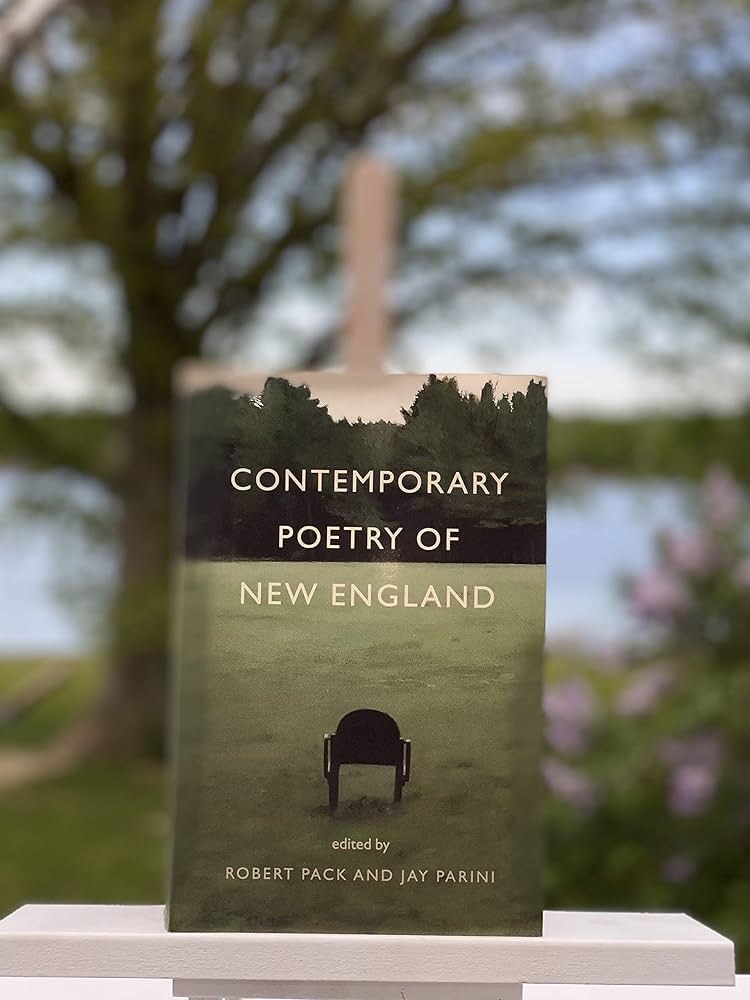
Contemporary Poetry of New England
“Contemporary Poetry of New England offers a vivid portrait of a region, its colors and smells, its physical and emotional textures, and the people…. It presents a range of poets, few of whom would call themselves a “region poet,” although each has taken to heart in a private way Frost’s haunting dictum: ‘Locality gives art.’”
--from the Introduction
2. Fiction
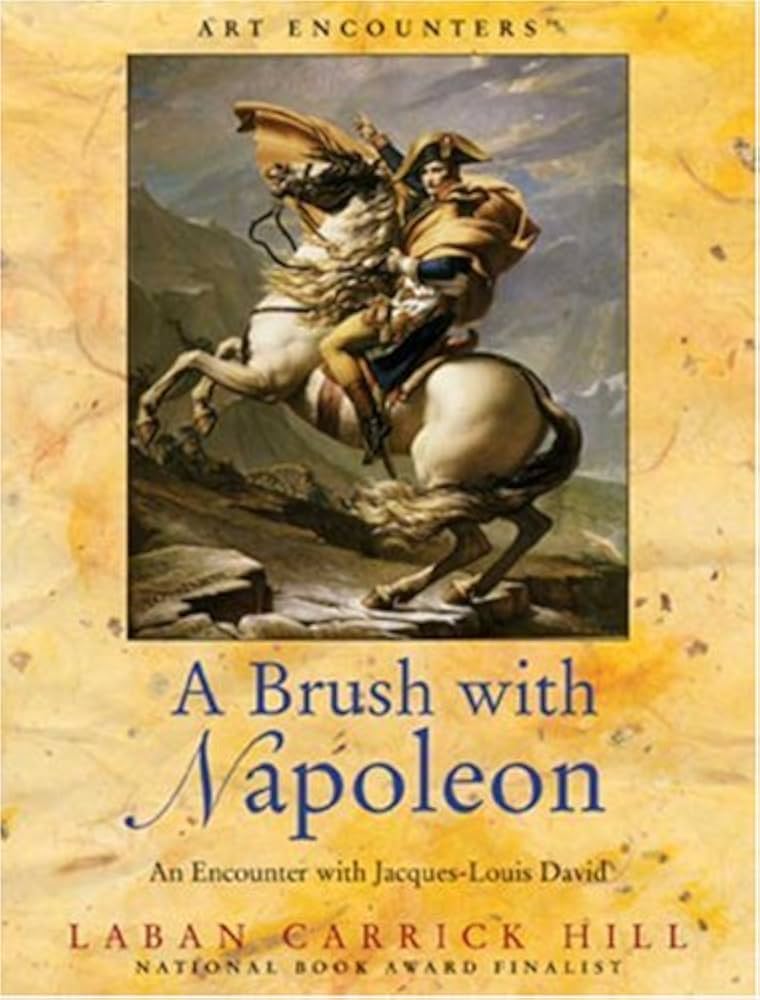
A Brush with Napoleon
A seventeen-year-old is plucked out of the Grande Armee to sit in place of Napoleon for a portrait of the Emperor by the artist David.
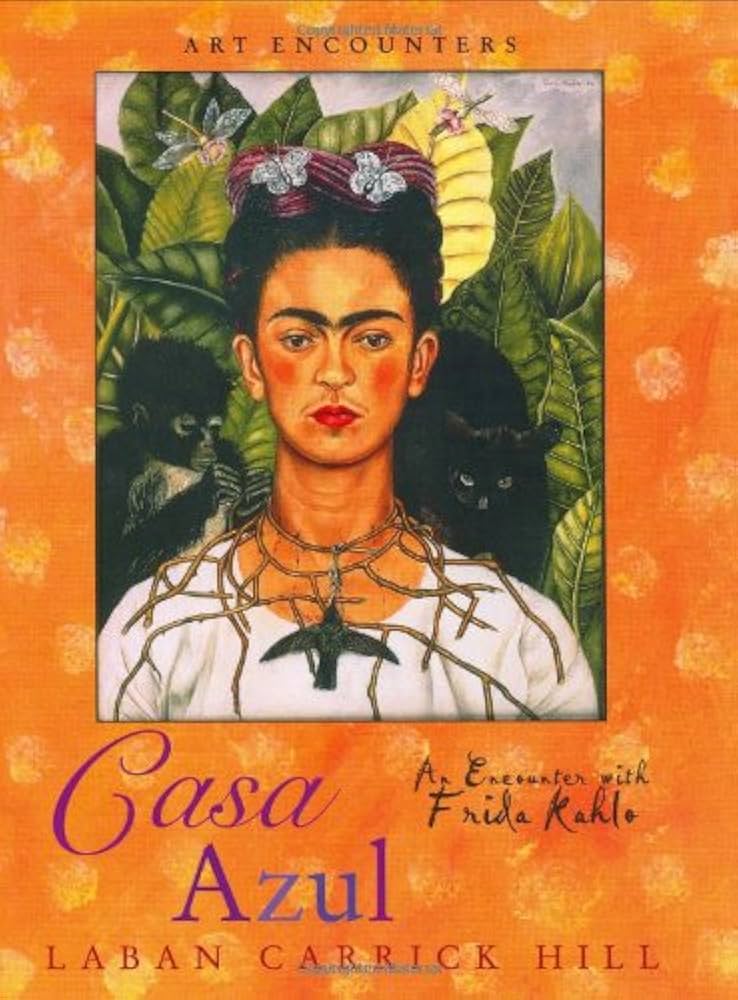
Casa Azul
"I felt like a kid reading every word on the page! I liked the strains of "magic realism" coming through in Frida's house! Children will relate to this very much! The story is charming and reads like a thriller." –Margarita Aguilar, Assisant Curator, El Museo del Barrio
4. Middle Grade Series
Xtreme Mysteries
These kids love extreme sports--snowboarding, skateboarding, rock climbing, wake boarding--and are ready to fight when the right to do their sport is threatened.