



Enter your e-mail address below to subscribe or unsubscribe from the mailing list.

subscribe
unsubscribe

(view privacy policy)

Read Past Newsletters

Groundnut Soup

REVISED: Ghana Journal: Consciousness of Exclusivity

12-Aug-2008

August 12, 2008

The Consciousness of Exclusivity

Every step of preparation to travel to Ghana has underscored one message: difference. The literature on TravelHealth.com provided a long list of medicines and products I needed to pack for my own safety. My local travel clinic handed me an eight-page report from the CDC on traveler’s diarrhea. I was also inoculated against typhoid, yellow fever, dengue, polio, and small pox. After this array of shots and pills, I was advised to take an anti-malarial medication. Two different drugs were suggested. The first was a Lariam, which was to be taken weekly and had the pleasant side effect of nightmares and psychic breaks. The second was Malarone, which was to be taken daily and had no psychologically damaging side effects. After speaking with a couple of friends who had taken Lariam and did not enjoy the side effects, I chose the daily remedy. I’m just too old for psychedelics. Besides, I felt that I would already feel too out of place to enhance the experience any more than necessary.

TravelHealth.com recommended a list of no less than 20 items for my personal health kit. I was cautioned that if I try to purchase simple items like ibuprofen in Ghana, there was the likelihood that the pills would be counterfeit. The material on the website also cautioned me to bring my own hypodermic needles because syringes were commonly reused. The reasoning went: if I was in an accident or contracted an illness where I needed a shot, I better provide my own needles. When I mentioned this to the doctor at my local travel clinic, she told me there was no point in bringing your own syringes. Apparently, there are no single dose vials of medicines so the drugs are contaminated in the vials before they are drawn into a syringe. She recommended that I purchase evacuation insurance. In the event that I was hurt or became ill, I would want to be taken out of the country immediately. Under no circumstances did she feel it was safe to be treated in a clinic or hospital in Ghana. That was sobering.

I had not even left my neighborhood and I felt as if I was wrapping myself in a protective suit to enter a biohazard zone. It occurred to me then that here in America we live in an exceedingly sterile environment. Nevertheless, I followed every piece of advice since I had no context upon which to make any decisions on my own. I only hoped that once I landed on the ground my sense of separation and difference would eventually dissipate, but I was not at all optimistic because the thrust of the information about Ghana was preparation in the event of catastrophe. I just had to have a little faith.

As I boarded my flight, I carried a suitcase full of (in no particular order) Tylenol, ibuprofen, a water purifier, oral rehydration salts, a travel medical kit, tweezers to pull out stingers, bismuth subsalicylate, a thermometer, ciprofloxacin, 100% Deet, SPF30 sunscreen, eyewash, and the five months worth of medicine that a forty-eight old Westerner takes just to keep his aging engine running. I had to battle my fears and focus my thoughts on the wonders that I would experience and remember that all this good advice was for worst-case scenarios. This is not a trip for “dangerous boys and girls” to outer space, but an adventure firmly grounded on the planet Earth.

The first cultural change I noticed was on the flight from Amsterdam to Accra. On my earlier flight from the U. S. to Amsterdam everyone dutifully stayed in their seats and did not mingle for the six hours in the air. This was not the case on the flight to Accra. Once the fasten seatbelt sign was turned off, half the plane was out of their seats visiting. It felt more like spending an afternoon at a community center or in a village market than on a six-hour plane ride. I had worn my Stephen Appiah football jersey. Since Appiah is the captain of the Ghana national team, I was a hit with the other passengers. By the time we landed I was swapping football stories and laughing as much as anyone. Sometime along the way I had shed my protective biohazard frame of mind and was anxious to land. That night I had my first serving of Red-Red, a traditional Ghanaian beans and rice dish.


Selected Works

3. Poetry
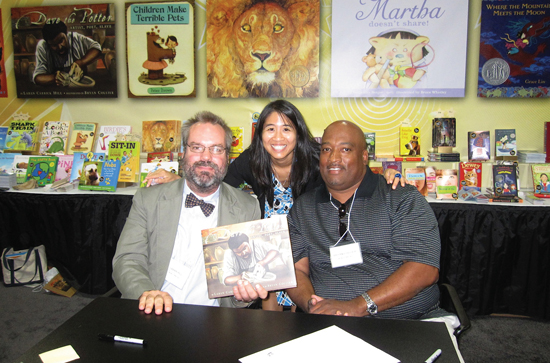
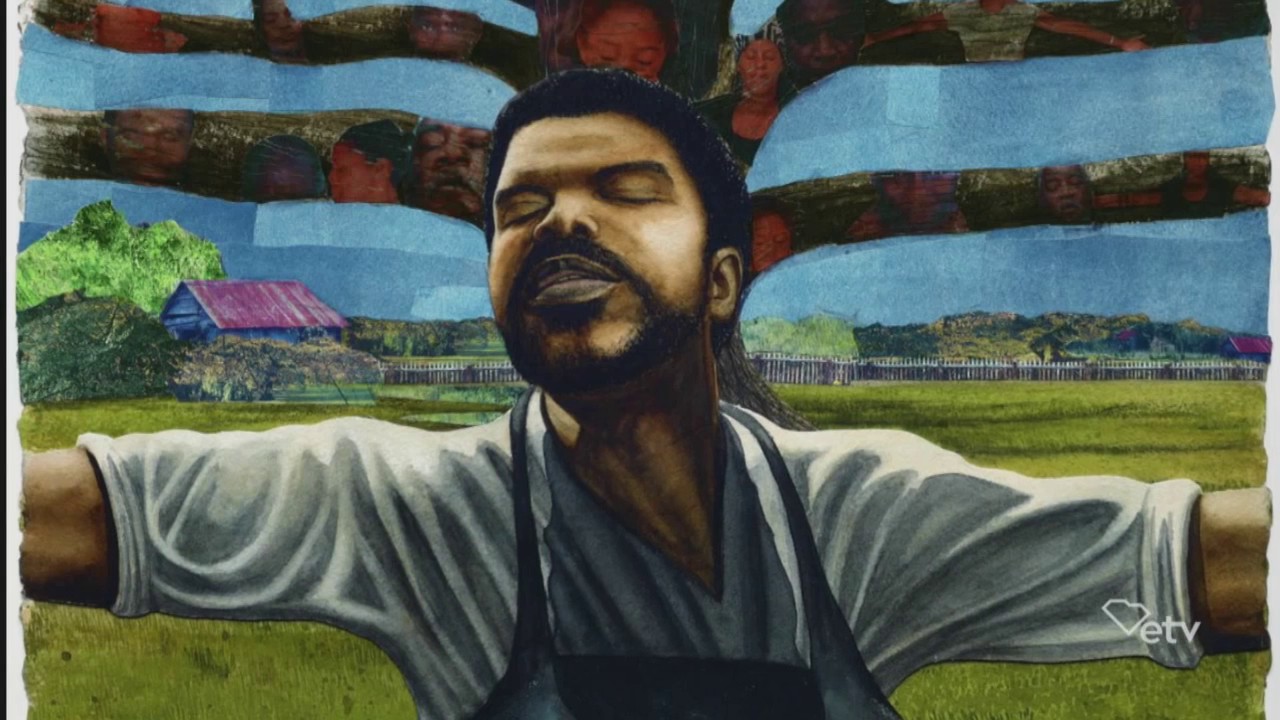
Dave the Potter
A picturebook poem describing the life of the slave potter Dave. Illustrated by Bryan Collier.
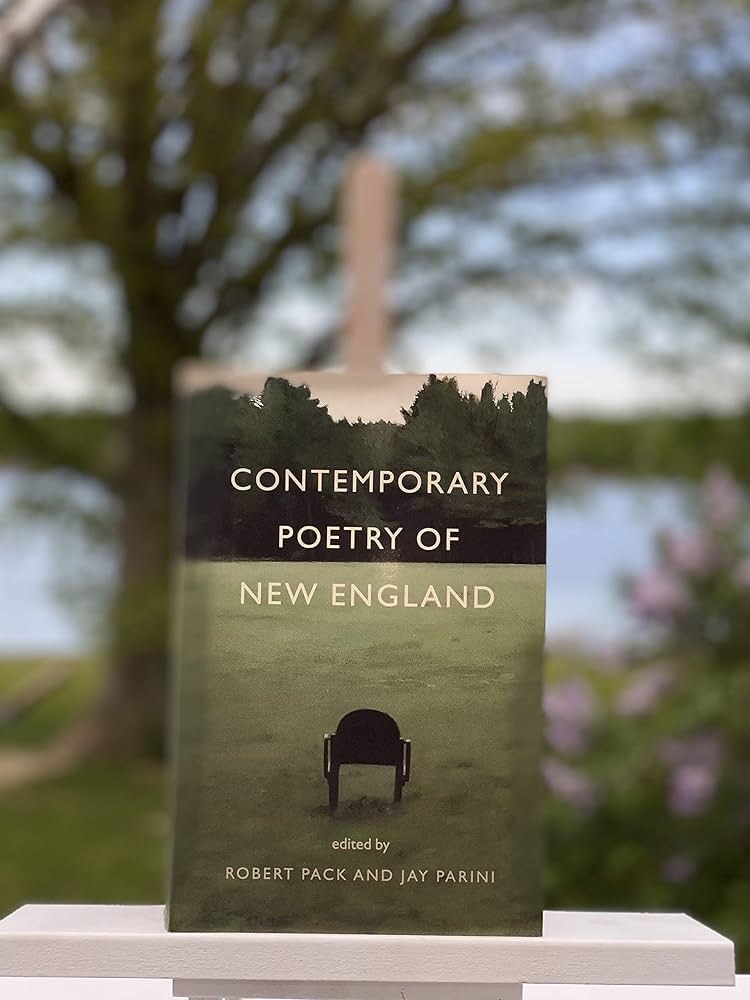
Contemporary Poetry of New England
“Contemporary Poetry of New England offers a vivid portrait of a region, its colors and smells, its physical and emotional textures, and the people…. It presents a range of poets, few of whom would call themselves a “region poet,” although each has taken to heart in a private way Frost’s haunting dictum: ‘Locality gives art.’”
--from the Introduction
1. Nonfiction
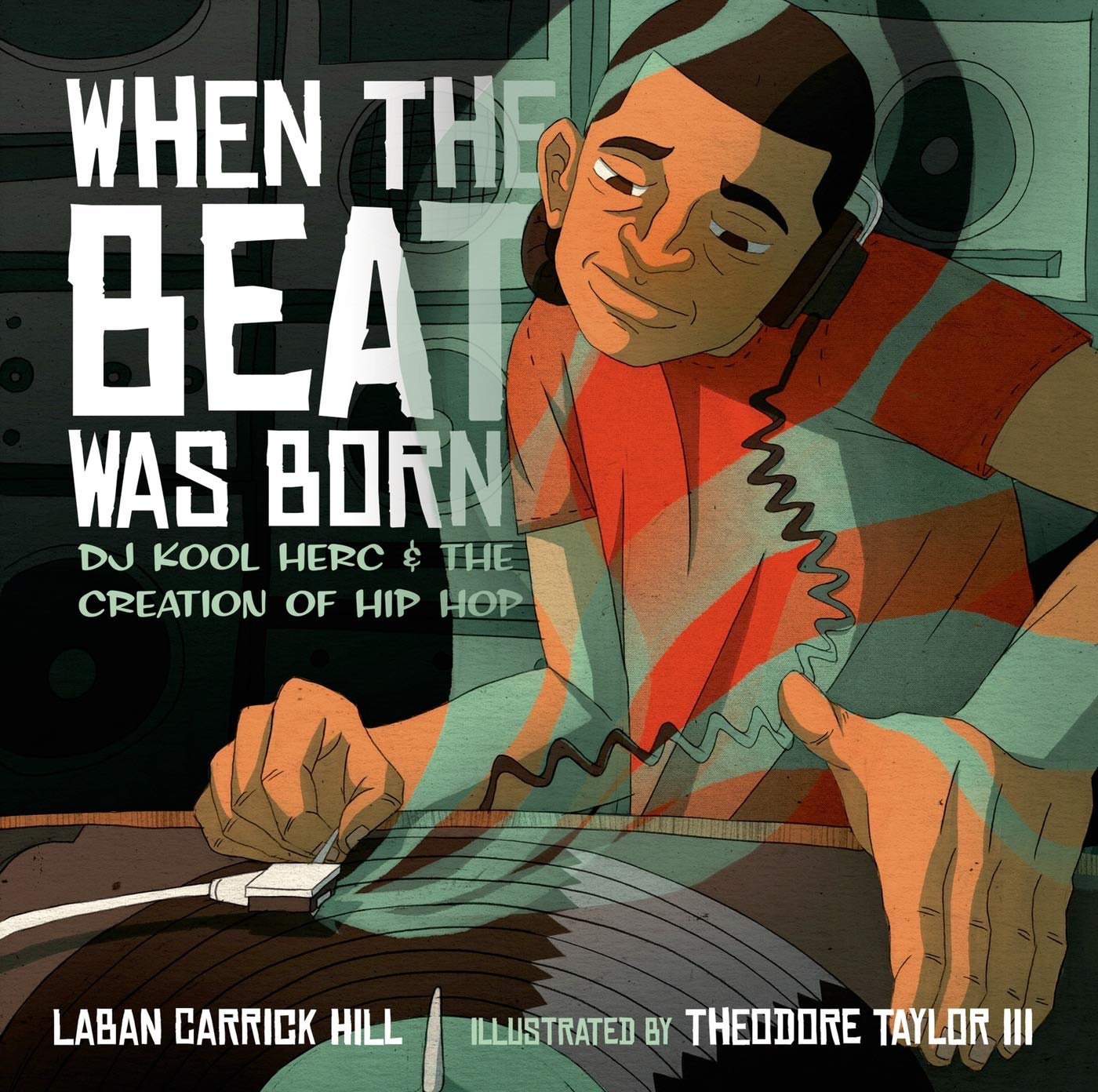
DJ Kool Herc
The first picturebook biography of the founder of rap and hip hop, DJ Kool Herc!
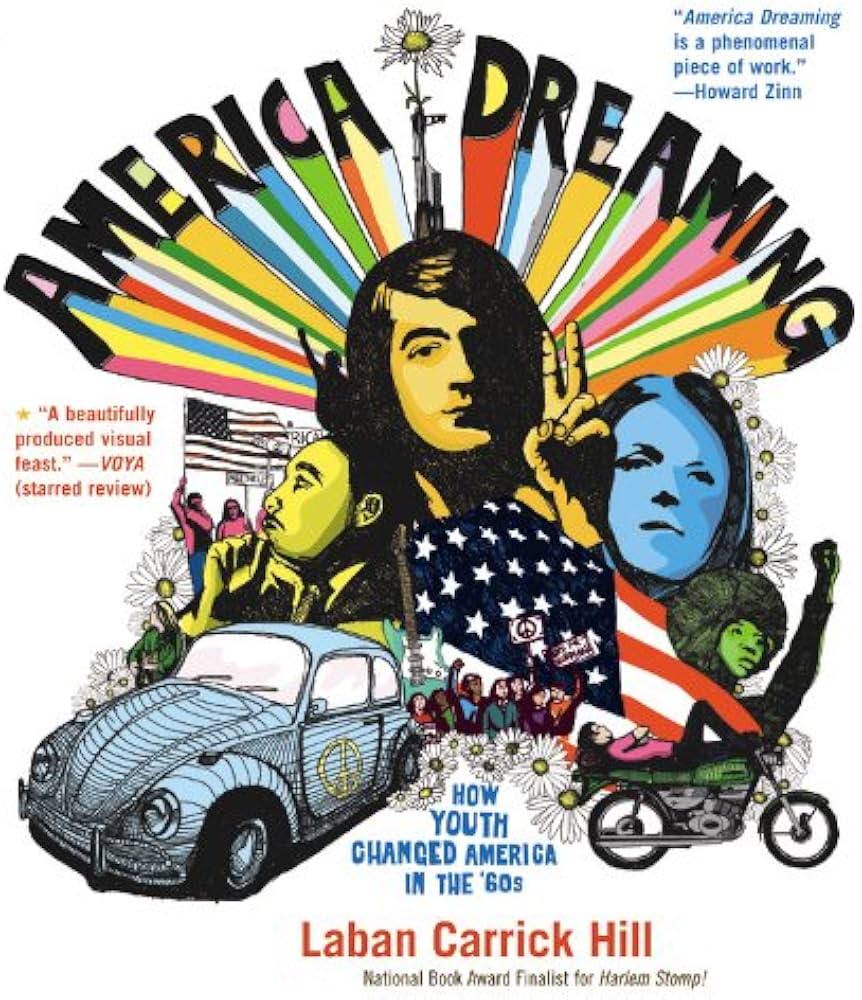
America Dreaming: How Youth Changed America in the 60s
"Phenomenal."–Howard Zinn "Excellent."–New York Times Book Review
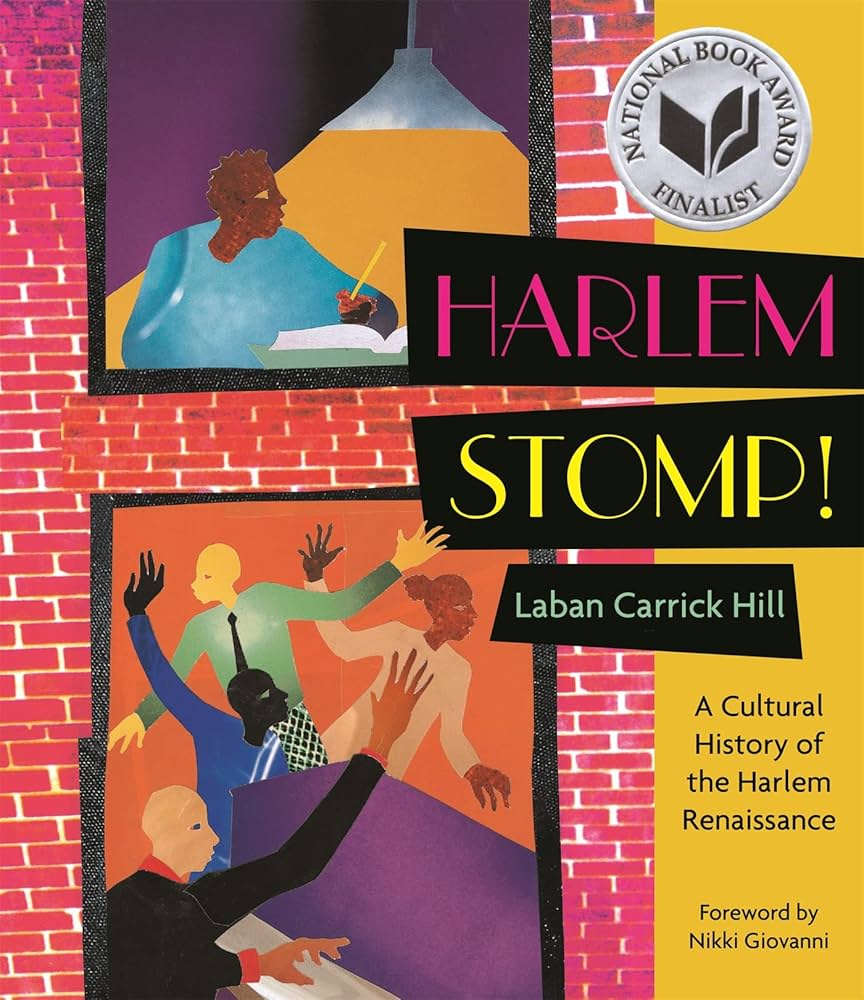
Harlem Stomp! A Cultural History of the Harlem Renaissance
Harlem Stomp! is a wonderous new book: it celebrates a time, a place, an energy, and a people who refused to be held back and so they created a culture the entire world is still reeling from.”
--George C. Wolfe, writer, director, and producer of the Public Theater, NYC
2. Fiction
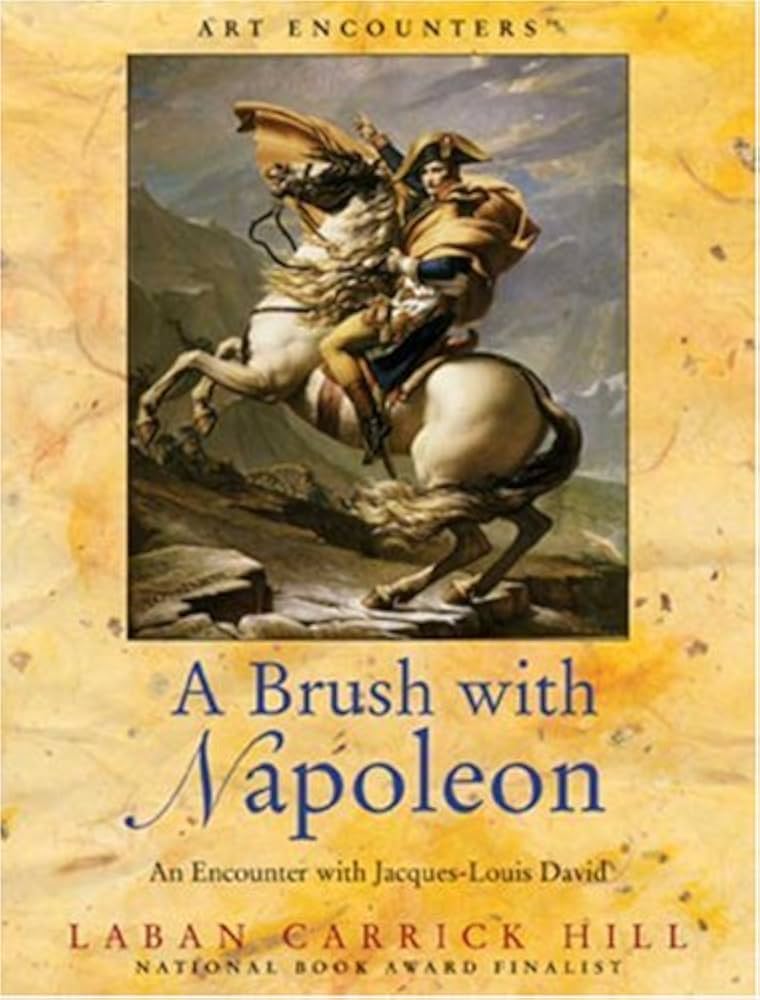
A Brush with Napoleon
A seventeen-year-old is plucked out of the Grande Armee to sit in place of Napoleon for a portrait of the Emperor by the artist David.
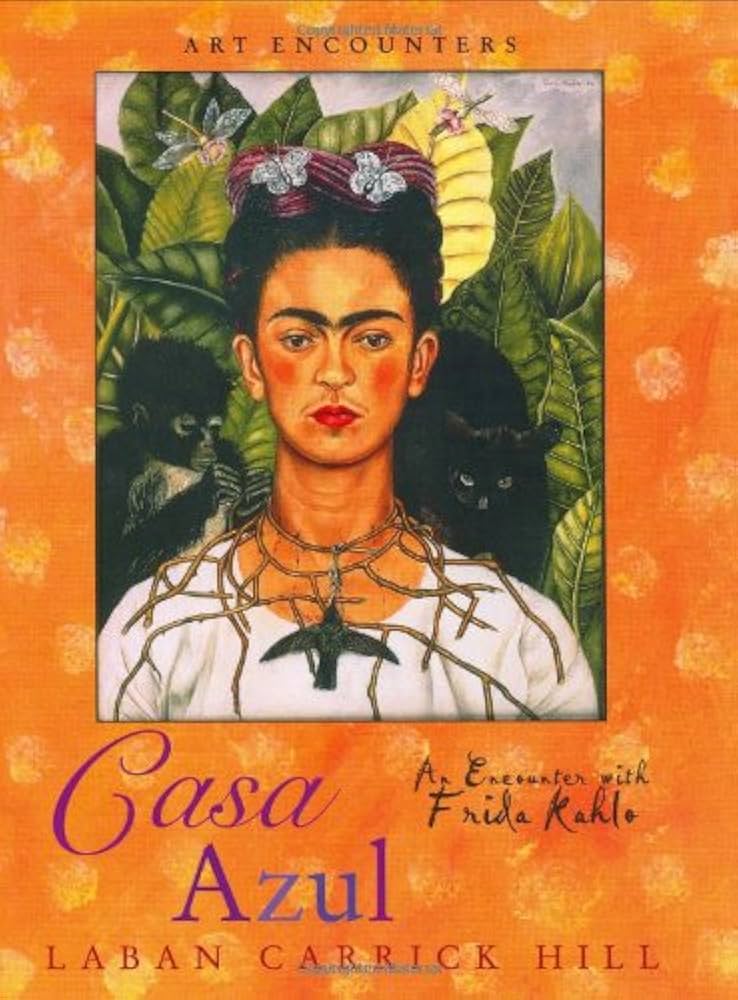
Casa Azul
"I felt like a kid reading every word on the page! I liked the strains of "magic realism" coming through in Frida's house! Children will relate to this very much! The story is charming and reads like a thriller." –Margarita Aguilar, Assisant Curator, El Museo del Barrio
4. Middle Grade Series
Xtreme Mysteries
These kids love extreme sports--snowboarding, skateboarding, rock climbing, wake boarding--and are ready to fight when the right to do their sport is threatened.